Hoe moet ik mijn ziel nu houden, dat zij niet de jouwe raakt? Hoe moet ik haar heentillen over jou naar andere dingen? Oh, graag zou ik haar nu zomaar wat Verloren in het donker doen bedaren, op een vreemde, stille plek die niet blijft zingen nu al je diepten zingen. Maar alles wat ons aanraakt, jou en mij, brengt ons tesamen in een wij, dat nu een toon vormt uit twee snaren. Op wiens viool zijn wij beland? En welke strijker heeft ons in de hand, Mijn liefste lied?
Vertaald door Frans Roumen
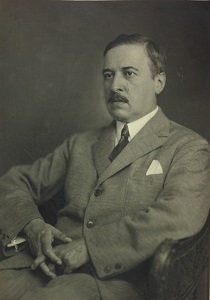
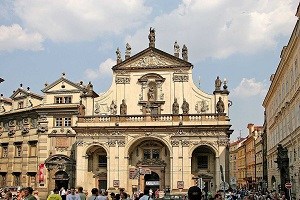
Rainer Maria Rilke (4 december 1875 – 29 december 1926) De Sint-Salvatorkerk in Praag, de geboortestad van Rilke
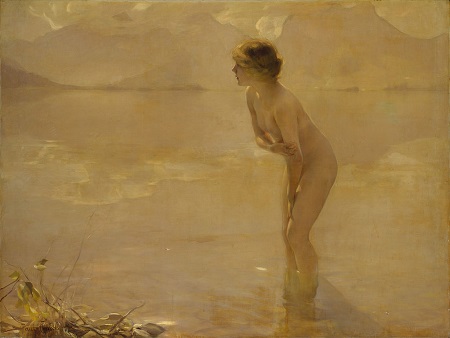
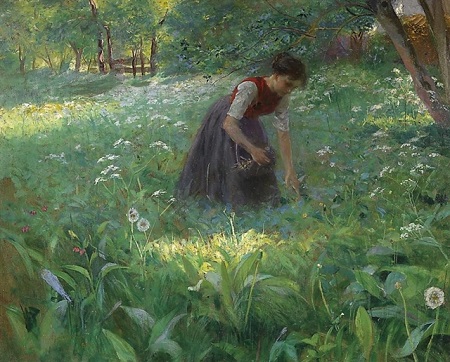
Im Nebel ruhet noch die Welt, Noch träumen Wald und Wiesen: Bald siehst du, wenn der Schleier fällt, Den blauen Himmel unverstellt, Herbstkräftig die gedämpfte Welt In warmem Golde fließen.
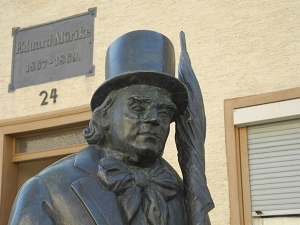
Eduard Mörike (8 september 1804 – 4 juni 1875) Standbeeld voor Mörikes voormalige woonhuis in Lorch
Youre as silent as space and youre fastened with a bar. Though its not too late you make me sleepy. But I assure you I have no wish to sleep when youre so cold to me.
Ill totally forget the sound of your voice soon. Shout at me, broke some dishes but dont keep silent. Its like nobody is beside me. If you dont love me, say so.
I still cant understand whats the matter with you. Tell me that you have missed another man for a long time, but dont keep silent. Dont be silent all day long. You must be the only speachless person among all these talkative women. Or the only intelligent enough. Theres nobody beside me again. If you dont love me, say so.
I still cant understand whats the matter with you. Tell me that you have missed another man for a long time, but dont keep silent. Dont be silent all day long.
“More
than one girl had wept, describing her terror that a husband or fiancé
would not return. Anna couldn’t listen. The talk stirred in her an
uncomfortable anger at these girls, who seemed so weak. Thankfully, Mr.
Voss had put an end to that topic during working hours, prompting an
unlikely trill of gratitude in Anna. Now they sang songs from their
colleges while they worked: Hunter, St. Joseph’s, Brooklyn College,
whose song Anna finally learned—not having bothered to in the year she
was a student there.
She
synchronized her wristwatch with the large wall clock they all answered
to, and stepped outdoors. After the sealed hush of her shop, the roar
of Yard noise always shocked her: crane and truck and train engines; the
caterwaul of steel being cut and chipped in the nearby structural shop;
men hollering to be heard. The stench of coal and oil mingled with
gusts of chocolate from the factory on Flushing Avenue. It wasn’t making
chocolate anymore, but something for soldiers to eat when they might
otherwise starve. This chocolate cousin was supposed to taste like a
boiled potato, Anna had heard, so that soldiers wouldn’t be tempted to
snack on it ahead of time. But the smell was still delicious. As she
hurried alongside Building 4, the structural shop, with its thousand
dingy windows, she saw a girl climbing onto a bicycle. Anna didn’t
register at first that it was a girl; she wore the same plain blue work
clothes they all did. But something in her bearing, the flair with which
she mounted, caught Anna’s eye, and she watched the girl glide away
with a shiver of envy.
At
a canteen near the piers, she bought her forty-cent boxed meal—today it
was chicken, mashed potatoes, canned peas, and applesauce—and made her
way toward Piers C and D, both close enough to her shop that she could
eat (often while standing, even walking) and be back on her stool by
twelve-fifteen. A ship had berthed at Pier C since the previous day, its
sudden towering apparition almost otherworldly. With each step Anna
took toward the ship, its height seemed to rise, until she had to tip
her head fully back to follow the curved prow all the way up to the
distant deck. It was thronged with sailors, identical-looking in their
toylike uniforms and caps, all leaning over the rail to gawk at
something below. In that same moment, a chorus of catcalls reached her.
She went still, clutching her boxed lunch—then saw with relief that the
object of their ardor was not her but the girl on the bicycle, who was
riding back alongside the ship from the foot of the pier, a tousle of
peroxide curls pried from her scarf by the wind. Anna watched her
approach, trying to discern whether the girl was enjoying this attention
or not. Before she could make up her mind, the bicycle hit a patch of
gravel and skidded on its side, dumping its rider onto the brick-paved
pier, to the jeering hilarity of the sailors. Had the men been within
reach of the girl, they doubtless would have elbowed each other aside to
rush to her aid. But at such a height, with only each other to show off
for, they settled for an orgy of heckling: “Aw, poor baby lost her balance.”
“In
de auto zuchtte ik zo ontzettend dat Marvin meteen deed wat ik had
gehoopt: hij vroeg wat er was. Hij vroeg het kil, niet alsof hij het
werkelijk wilde weten. Ik vroeg hem of hij dan niet wist wat er was. Ik
vroeg het zo dreigend als ik kon. En daarna zuchtte Marvin op zijn
beurt. Ik moest wel schreeuwen. Wat, brulde ik, kon er in godsnaam de
reden van zijn dat hij zuchtte? En toen maakte de auto een raar geluid,
een soort moedeloze plof die ons kortstondig door elkaar schudde. Marvin
stopte, midden op straat. Ik keek naar buiten. We hadden nog maar een
meter of dertig afgelegd. `Lekke band,’ zei hij. En stapte uit. Pas toen
ik Marvin de krik uit de laadruimte zag halen, begreep ik wat die
woorden betekenden. Heel even drong de gedachte zich op dat ik met mijn
geschreeuw de band van zijn auto lek had gestoken. Ik stapte ook uit.
De
krik was roestig en weigerde in de gewenste stand gebogen te worden. Ik
kon Marvin niet helpen. Langzaam kwam ik bij mijn positieven. Toen
besefte ik dat de identiteit van de schuldigen voor de hand lag.
Vastbesloten liep ik terug om aan te bellen bij de giechelende
watergooiers. Ik moest driemaal bellen. Een voor haar leeftijd te
jeugdig geklede vrouw verscheen in de deuropening. `U beschuldigt mijn
kinderen van vandalisme?’ concludeerde ze na mijn relaas. Haar stem
klonk koud. Nou…’ vervolgde ik, vriendelijk doch ferm, ‘ik vroeg mij
af of u heeft gemerkt dat er van de derde verdieping van uw huis volle
zakken water naar beneden zijn geworpen. Er klonk gegiechel…’ `Mijn
zoons zijn boven, met vrienden. Ik zal ze roepen.’ Twee spottende
gezichten, jong en trots. Het waren jongens van een jaar of veertien. Ik
probeerde ze me voor te stellen met een priem, een mes, een spijker —
de lol van het vernielen. Ook het hoofd van een derde jongen werd heel
kort zichtbaar. `Dat van die waterzakken — dat hebben we gezien,’ zei
ik. Dat waren jullie. Maar nu is onze band ook lek.’ De moeder bleef
erbij staan. Onbewogen nam ze haar zoons op, daarna mij. Wat vervelend,’
zei de jongen met het keurigste gezicht. ‘Daarnet was er ook al een man
aan de deur die een lekke band had. Maar wij hebben dat dus echt niet
gedaan!’
Jessica Durlacher (Amsterdam, 6 september 1961) Cover
“ONHOUDBAAR / Bizar
genoeg gaat het debat over Zwarte Piet uit van een onhoudbaar doel:
‘maak Sinterklaas weer speciaal voor iedereen!’ Het sinterklaasfeest is
helemaal geen feest speciaal voor iedereen en zal dat ook nooit kunnen
zijn. Onze multiculturele samenleving staat bol van (al dan niet
religieus gevoede) festiviteiten, manifestaties en uitingen van zeer
uiteenlopende aard. Het is ondoenlijk van iedereen in Nederland te
verlangen dat hij/zij zich zonder meer kan vinden in elk ervan. Er is
geen festiviteit of manifestatie of er is wel meer of minder gegronde
kritiek op te leveren. Vrijwel altijd is er sprake van een vorm van
discriminatie, vanwege levensovertuiging, politieke gezindheid,
godsdienst, ras, geslacht en wat al niet meer.
DREADLOCKS
/ Een willekeurig voorbeeld: wordt het geen hoog tijd een gevecht aan
te gaan tegen het dragen van dreadlocks? Het laten groeien van het
kroezige haar tot woeste manen vormt namelijk hét symbool van
dictatoriale macht, uitbuiting en racisme. Voor de religieuze
beweging van het rastafarianisme, ontstaan in Jamaica, is het dragen van
dreadlocks een symbolische toenadering tot hun god. Die god wordt
algemeen Jah genoemd en betreft Haile Selassie, ofwel Ras Tafari, de
Overwinnende Leeuw van de stam van Juda (en nog een reeks van
eretitels). In de haardracht van dreadlocks imiteert de rastafariër de
manen van de leeuw en verbindt zich zodoende met de geest van de leeuw
van Juda. Daarenboven onderstrepen de ‘manen’ de dominante rol die de
man in deze beweging speelt: vrouwen zijn er om kinderen te baren, te
koken en om te (be)dienen. Het rastafarianisme heeft naast deze
‘zwarte god’ nog als basisprincipes dat blanken inferieur zijn aan
zwarten en dat het zwarte ras voorbestemd is over de wereld te heersen.
Bob Marley heeft die ondergang op luchtige reggaeritmes en onder het
genot van ganja (hasj) bezongen.”
Aart G. Broek (Maasland, 6 september 1954) Zwarte Piet
“My
trial has barely begun, and no testimony heard, but already I know that
in the eyes of this court, I am an abomination. As I gaze from the dock
and take in all the faces gazing back, I think of the opinions they
have formed, the hateful things they have written and said. I think of
how once it stung, but my skin has grown thicker over time, and I have
worse things to endure now than mere words. They have to be respectful
in their conduct within these walls: no shouting and barracking like
when the van with its blacked-out windows pulled up outside the
prisoners’ entrance, a desperate photographer extending a hopeful arm
and firing blind with a flash gun as he pressed himself perilously close
against the moving steel. One of these days the vehicle is going to run
over one of those reckless idiots’ feet: several tons of G4S hardware
degloving the flesh from crushed and shattered bones as it rolls across
his instep, all in the service of striving for, at best, a blurry
low-contrast image of some scared and wretched prisoner cowering inside.
It would be a valuable illustration of the risk-benefit equation pour
encourager les autres. To them, I am someone who ought to have been
grateful for all that life apparently gifted me, not asked for more. I
should have settled for what I was dealt, as it was generous enough in
other people’s estimation. The actions I took in pursuit of my desires,
to better my lot and to extricate myself from an intolerable situation,
these were unforgivable, depraved. Society’s judgement is always harsher
upon a woman who has done grave deeds to get what she wants: a woman
who has challenged their values, violated the accepted order of things.
It’s a crime against society, a transgression of unwritten rules that
are far more precious than those inscribed in law. With this thought I
glance across the room, and to my surprise feel a sorority even with the
woman I came to regard as my enemy: the woman who laid me low, brought
my deeds to light. In our own ways we both acted for the purest of
reasons. Her I respect. Everyone else is merely white noise to me now. I
do not expect anyone’s sympathy. I do not seek forgiveness from people
who have never been tested like I was. I may be guilty, and I may be
sentenced, but I will not be condemned: not by those who cannot
understand. Nobody here can judge me until they know the whole truth.
Until then, their opinions are no more than impotent angry words, and
my, haven’t those been in spate since this business first came to light.
Just think how they were exercised by the revelation that this bitch
murdered her husband. The tone was one of boiling anger, and at the
heart of it all was one single rhetorical question: How dare she. How
dare she. There’s a thought: nobody ever asks ‘How dare he?’ when a man
kills his wife. The coverage is coloured by sombre tones, its language
muted and respectful. It’s like they’re reporting on a death from
disease or calamitous mishap. ‘It’s dreadful, but it happens. Poor
thing. So tragic,’ it seems to say. And like disease or disaster, the
follow-up is about asking whether more could have been done. What signs
were missed? What can we learn? By contrast there’s a conspicuous
shortage of victim-blaming when it’s a husband who lies slain. `Why
didn’t he leave her? He must have known what she might be capable of.
There must have been indications that she was dangerous. I’m not
condoning it, but surely he was aware of her triggers. There’s no
excusing what she did, but it wouldn’t have happened unless he did
something to provoke her.’ Said nobody ever. See, that’s what chills
them. They can just about handle a crime of passion, a moment of
madness.”
Christopher Brookmyre (Glasgow, 6 september 1968) Cover
“One
of the few things all of the Bashmanians are agreed about is fire,
which we love, as we do all things in the fire family: the sun, all reds
and yellows, California poppies and sunflowers. No wonder the Armenians
fought off the Persians when they came with swords to demand that we
join them in fire worship. Why should we spoil a good thing by making it
official? We had official Jesus, and that was wonder enough. When a
building was on fire in Fresno and the Fire Department came roaring up
in its red fire engines, we would already be there, laughing, and
rejoicing in the light, heat, color, and music of the fire eating wood
to ash. The greatest fire I ever witnessed was a comparatively
insignificant one. The thing that made it great was that it was my
house. I had gone with my family in 1919 to Armona—about forty miles
southwest of Fresno and three miles from Hanford—where there was good
work in the fresh-fruit packing houses, and we shared a house bought for
his family by my uncle Gunyaz Bashmanian after he suffered losses in
three consecutive business enterprises. A small grocery store on 0
Street in Fresno went bankrupt because of the lower prices at the big
store that suddenly opened next door. Then an orchard of peach and
apricot trees in Biola brought forth two crops so meager that the place
had to be given back to the bank. And finally this unlucky man bought a
jewelry store on Mariposa Street in Fresno, next to D. Yezdan’s Clothing
Store. One night it was emptied of everything by robbers, who were
never apprehended. “Robbers?” Gunyaz said when he heard of the theft.
“Not police?” Gunyaz put all of his remaining money into the buying of
the old house in Armona, so that he and his wife and his two sons could
work in the packing houses and perhaps save money again, but his wife
took ill, one of his sons broke his arm, and Gunyaz himself sprained his
back so badly that even with a brace holding him together he could do
no more than stand and walk. When he was almost entirely out of money,
with a lot of doctor’s bills to pay, Gunyaz took all of his business
papers to a lawyer named Jivelikian and asked him to study them
carefully. The following day the lawyer said, “I have found all of your
papers in order. You paid two thousand dollars cash for the house and
its furnishings. I know the house well, as the previous owner asked me
to help him sell it three years ago. At best, the furnishings, the
house, and the lot on which it stands are all together worth one
thousand dollars. However, the fire insurance policy on the house is for
six thousand dollars, and has a week to go.” Gunyaz said, “The house is
old and rotten. I’m afraid it might catch fire some night when all of
us are asleep.” “That is something to avoid at all costs,” the lawyer
said. “I can’t stand guard every night,” Gunyaz said. “I have a bad back
and many debts.” “My fee is one dollar,” the lawyer said. Gunyaz paid
Jivelikian a silver dollar and went home. As luck would have it,
everybody was either at the packing house or at the doctor’s, and Gunyaz
Bashmanian was home all alone, his head full of sorrow, anger, and
fire. That night, when everybody was home from work or from the
doctor’s, he said to his wife, “Prepare a feast. We shall enjoy our good
health and good fortune in this world, under the fig tree in the back
yard.” The feast began a little after ten, by which time I was more
sleepy than hungry. Nevertheless, I kept myself awake enough to have a
little of everything, and then I began to long for my bed, which I
shared with my brother Bakrot Bashmanian, called Buck for short. But
Gunyaz said, “No, you must eat now. You are eleven years old; it is not
time to go into the house.” He himself went into the house by way of the
back door and came out by way of the front door.”
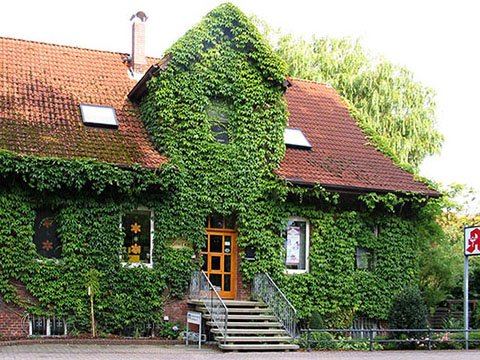
William Saroyan (31 augustus 1908 – 18 mei 1981) Sayorans huis in Fresno
De Nederlandse schrijver Sander Kok (ook bekend fotomodel) werd geboren in Arnhem op 31 augustus 1981. Zie ook alle tags voor Sander Kok op dit blog.
Uit: Smeltende vrouw
“Soms
kreeg hij de aandrang een groot gebaar te maken, desnoods fysiek, een
gebaar waarvan iedereen zou schrikken. Maar in de lusteloosheid van de
klas reflecteerde zijn eigen lusteloosheid, hun dode ogen waren zijn
dode ogen, en uiteindelijk stond hij hier voor het geld en niet voor
hen, zoals hij niet naliet hun, en zichzelf, te vertellen. Zijn leven
was thuis, bij Neeltje. Op school was hij bij Hades. Zijn leven had
ergens een vreemde bocht gemaakt, een bocht omlaag. Dagelijks keerde hij
uit de onderwereld terug en dagelijks kon hij bij thuiskomst Neeltje
zien opbloeien. De plastic klok tegenover hem stond bijna op kwart voor
vier, maar hij liep voor en het duurde nog een tijd voor hij naar huis
mocht. Hij stond met zijn rug naar het schoolbord en leunde met zijn
vuist op het bureau, de andere hand hing slap naast zijn lichaam, de
palm en nagels wit van het krijt. Achter hem stond op het bord de
Nederlandse spelling van ‘Tolstoj’, die hij eerder met lange halen op
het groen had neergekalkt. Hij keek naar de klas, die als een
monolithisch blok voor hem zat Niemand keek terug. In de hoek pakte een
meisje een make-updoosje uit haar rugzak en peuterde het met haar nagel
open. Ze keek afwisselend in haar spiegeltje en in het gezicht van
Reukens, zoals automobilisten afwisselend op hun telefoon kijken en dan
naar de weg. Het is niet dat ze ongeïnteresseerd zijn, dacht hij, ze
zijn gewoon afwezig. Wie heeft een vraag over Tolstoj?’ Hij keek de klas
rond en zag een vinger. Willemijn heeft een vraag over Tolstoj.’
Willemijn de Vries was zestien jaar, zeer aantrekkelijk en sprak zeven
talen, waaronder Oudperzisch, een taal die ze haar eerste liefde noemde.
Haar lievelingsauteur was Heinrich Heine, omdat die ‘zo mooi zong’, en
`niet alleen door Schumann’ — hij moest nog opzoeken wat ze daarmee
bedoelde. Hij had aan haar eenzelfde soort hekel als aan oude vrouwen
die een te zwaar parfum dragen. `Is bekend wat Tolstoj vond van
Dostojevski’s stijl, of misschien het gebrek eraan, in Misdaad en
straf?’ `Is bekend wat Tolstoj vond — Ja… In elk geval niet dat ik
weet. Maar ik denk dat hij Dostojevski waardeerde om zijn psychologisch
inzicht en hem toch, zoals Nabokov en Karel van het Reve een eeuw later,
een matige schrijver vond — schrijftechnisch tenminste.’ `Maar is er
niks bekend over wat Tolstoj vond van Misdaad en straf in het
bijzonder?’ `Dat is niet bij mij bekend.’ Hij vroeg zich af waarom ze
dit wilde weten, waarom dit soort mensen zich niet uit zelfhaat verhing,
bijvoorbeeld op het schoolplein beneden. Hij keek naar de honderdjarige
eik naast de ingang. Die was dik genoeg, die zou houden. In de klas
waarin hij zelf scholier was geweest, zou Willemijn zijn uitgelachen en
beschimpt om dat soort vragen, maar niet hier, niet op de Mirandola
School voor Hoogbegaafden. Hier was alles anders. De pubers waren even
weerspannig als elders op de wereld, maar ze droegen het op een andere —
ingetogenere, beschaafdere — manier uit. Mirandola was een van die
scholen voor kinderen die volgens de ouders, de directeur en het
zittende kabinet meer moesten worden uitgedaagd. Kinderen die beter
zijn, dacht Reukens erbij. Hij haatte ze met een hartstocht die aan
liefde grensde. De managementlui vonden het zijn taak om voor die
uitdaging te zorgen. Ze hadden gedaan of hij, uitgerekend hij,
noodzakelijk was voor hun ontwikkeling. Ha! Hij was erin getuind, hij
had de baan aangenomen, voor een schandelijk laag salaris. En nu stond
hij hier Nietzsche en Dostojevski te verklaren voor een klas die zich
nog minder voor filosofie en literatuur interesseerde dan een gewone
klas. De rijen waren star en onbeweeglijk. Rijen bomen in een aangeplant
bos. Geen wind woei, geen takje bewoog. Bij tijd en wijle voelde hij
zich nuttelozer dan hij zich vroeger had gevoeld, op de gewone
middelbare school, waar hij nog eens vijftien jaar van zijn volwassen
leven had doorgebracht.”
“The lamps are burning in the synagogue, in the houses of study, in dark alleys. . .” This should be the place. This is the way the guide-book describes it. Excuse me, sir, can you tell me where Eli lives, Eli the katzev— slaughterer of cattle and poultry? One of my ancestors. Reb Haskel? Reb Shimin? My grandfathers.
This is the discipline that withstood the siege of every Jew; these are the prayer-shawls that have proved stronger than armor.
Let us begin then humbly. Not by asking: Who is This you pray to? Name Him; define Him. For the answer is: we do not name Him. Once out of a savage fear, perhaps; now out of knowledge—of our ignorance.
Begin then humbly. Not by asking: shall I live forever? Hear again the dear dead greeting me gladly as they used to when we were all among the living? For the answer is: if you think we differ from all His other creatures, say only if you like with the Pharisees, our teachers, those who do not believe in an eternal life will not have it.
In the morning I arise and match again my plans against my cash. I wonder now if the long morning-prayers were an utter waste of an hour weighing, as they do, hopes and anguish, and sending the believer out into the street with the sweet taste of the prayers on his lips.
Charles Reznikoff (30 augustus 1894 – 22 januari 1976)
“La cosmologie chinoise est fondée sur l’idée du Souffle, à la fois matière et esprit. À partir de cette idée du Souffle, les premiers penseurs ont avancé une conception unitaire et organique de l’univers vivant où tout se relie et se tient. Le Souffle primordial assurant l’unité originelle continue à animer tous les êtres, les reliant en un gigantesque réseau d’entrecroisements et d’engendrement appelé le Tao, la Voie. Au sein de la Voie, la nature du Souffle et son rythme sont ternaires, en ce sens que le Souffle primordial se divise en trois types de souffles qui agissent concomitamment : le souffle Yin, le souffle Yang et le souffle du Vide médian. Entre le Yang, puissance active, et le Yin, douceur réceptive, le souffle du Vide médian — qui tire son pouvoir du Vide originel — a le don de les entraîner dans l’interaction positive, cela en vue d’une transformation mutuelle, bénéfique pour l’un et pour l’autre. Dans cette optique, ce qui se passe entre les entités vivantes est aussi important que les entités mêmes. (Cette intuition si ancienne rejoint la pensée d’un philosophe du xxe siècle : Martin Buber.) Le Vide prend ici un sens positif, parce qu’il est lié au Souffle ; le Vide est le lieu où circule et se régénère le Souffle. Tous les vivants sont habités par ces Souffles ; chacun est cependant marqué par un pôle plus déterminant du Yin ou du Yang. Citons, comme exemples, les grandes entités formant couples : Soleil-Lune, Ciel-Terre, Montagne-Eau, Masculin-Féminin, etc. En correspondance avec cette vision taoïste, la pensée confucéenne, comme nous l’avons vu plus haut, est elle aussi ternaire. La triade Ciel-Terre-Homme affirme le rôle spirituel que l’homme doit jouer au sein du cosmos. Cette conception cosmologique fondée sur le Souffle-Esprit entraîne notamment trois conséquences concernant notre manière d’appréhender le mouvement de la vie. Première conséquence : à cause de la nature dynamique du Tao, et surtout de l’action du Souffle qui assure, depuis l’origine, et de façon continue, le processus qui va du non-être vers l’être — ou plus précisément, en chinois, du wu « il n’y a pas » vers le you « il y a » le mouvement de la vie et notre participation à ce mouvement sont toujours un permanent et mutuel jaillissement, comme au commencement. Autrement dit, le mouvement de la vie est perçu à chaque instant plutôt comme un avènement ou un « rebondissement » que comme une plate répétition du même. Pour illustrer cette forme de compréhension, nous pouvons citer comme exemples deux pratiques qui ont traversé le temps et qui demeurent vivaces : le taijiquan et la calligraphie. »
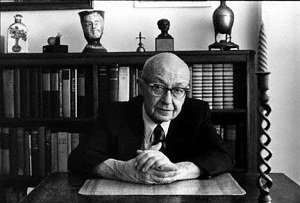
François Cheng (Nanchang, 30 augustus 1929) Cover Engelse uitgave
« La cosmologie chinoise est fondée sur l’idée du Souffle, à la fois matière et esprit. À partir de cette idée du Souffle, les premiers penseurs ont avancé une conception unitaire et organique de l’univers vivant où tout se relie et se tient. Le Souffle primordial assurant l’unité originelle continue à animer tous les êtres, les reliant en un gigantesque réseau d’entrecroisements et d’engendrement appelé le Tao, la Voie. Au sein de la Voie, la nature du Souffle et son rythme sont ternaires, en ce sens que le Souffle primordial se divise en trois types de souffles qui agissent concomitamment : le souffle Yin, le souffle Yang et le souffle du Vide médian. Entre le Yang, puissance active, et le Yin, douceur réceptive, le souffle du Vide médian — qui tire son pouvoir du Vide originel — a le don de les entraîner dans l’interaction positive, cela en vue d’une transformation mutuelle, bénéfique pour l’un et pour l’autre. Dans cette optique, ce qui se passe entre les entités vivantes est aussi important que les entités mêmes. (Cette intuition si ancienne rejoint la pensée d’un philosophe du xxe siècle : Martin Buber.) Le Vide prend ici un sens positif, parce qu’il est lié au Souffle ; le Vide est le lieu où circule et se régénère le Souffle. Tous les vivants sont habités par ces Souffles ; chacun est cependant marqué par un pôle plus déterminant du Yin ou du Yang. Citons, comme exemples, les grandes entités formant couples : Soleil-Lune, Ciel-Terre, Montagne-Eau, Masculin-Féminin, etc. En correspondance avec cette vision taoïste, la pensée confucéenne, comme nous l’avons vu plus haut, est elle aussi ternaire. La triade Ciel-Terre-Homme affirme le rôle spirituel que l’homme doit jouer au sein du cosmos. Cette conception cosmologique fondée sur le Souffle-Esprit entraîne notamment trois conséquences concernant notre manière d’appréhender le mouvement de la vie. Première conséquence : à cause de la nature dynamique du Tao, et surtout de l’action du Souffle qui assure, depuis l’origine, et de façon continue, le processus qui va du non-être vers l’être — ou plus précisément, en chinois, du wu « il n’y a pas » vers le you « il y a » le mouvement de la vie et notre participation à ce mouvement sont toujours un permanent et mutuel jaillissement, comme au commencement. Autrement dit, le mouvement de la vie est perçu à chaque instant plutôt comme un avènement ou un « rebondissement » que comme une plate répétition du même. Pour illustrer cette forme de compréhension, nous pouvons citer comme exemples deux pratiques qui ont traversé le temps et qui demeurent vivaces : le taijiquan et la calligraphie. »
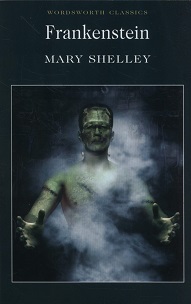
Mary Shelley (30 augustus 1797 – 1 februari 1851) Cover
No matter what they say, now I’m in love I do it my way, ‘cause I’m in love And I can’t keep that song out of my mind Playing that silly tune, all the time.
I’m in love. No matter what they say, I don’t care I do it any way, anywhere I found this little song, on my own She said that I’m a genius, I’m in love.
My friends said that I’ve gone crazy, I’m just fine My neighbours stare at me, never mind ‘Cause all they tell is sweetness, of her smile My supersonic girl, I’m in love.
No matter what they say, now I’m in love I do it my way, ‘cause I’m in love And I can’t keep that song out of my mind Playing that silly tune, all of the time.
I’m in love.
No matter what they say, I don’t care I do it any way, anywhere I found this little song, on my own She said that I’m a genius, I’m in love.
My friends said that I’ve gone crazy, I’m just fine My neighbours stare at me, never mind ‘Cause all they tell is sweetness, of her smile My supersonic girl, I’m in love.
No matter what they say, now I’m in love I do it my way, ‘cause I’m in love And I can’t keep that song out of my mind Playing that silly tune, all of the time.
I’m in love.
My friends said that I’ve gone crazy, I’m just fine My neighbours stare at me, never mind ‘Cause all they tell is sweetness, of her smile My supersonic girl, I’m in love.
Der Sommer folgt. Es wachsen Tag und Hitze, und von den Auen dränget uns die Glut; doch dort am Wasserfall, am Felsensitze erquickt ein Trunk, erfrischt ein Wort das Blut.
Der Donner rollt, schon kreuzen sich die Blitze, die Höhle wölbt sich auf zur sichern Hut, dem Tosen nach kracht schnell ein knatternd Schmettern; doch Liebe lächelt unter Sturm und Wettern.
Johann Wolfgang von Goethe (28 augustus 1749 – 22 maart 1832) Zomer in Frankfurt am Main, de geboorteplaats van Goethe
In einem hochgewölbten, engen gotischen Zimmer Faust, unruhig auf seinem Sessel am Pulte.
Faust:
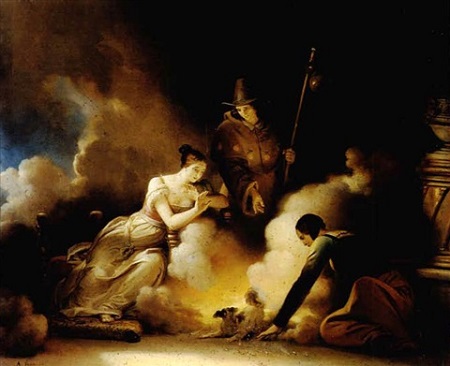
Habe nun, ach! Philosophie, Juristerei und Medizin, Und leider auch Theologie Durchaus studiert, mit heißem Bemühn. Da steh ich nun, ich armer Tor! Und bin so klug als wie zuvor; Heiße Magister, heiße Doktor gar Und ziehe schon an die zehen Jahr Herauf, herab und quer und krumm Meine Schüler an der Nase herum – Und sehe, daß wir nichts wissen können! Das will mir schier das Herz verbrennen. Zwar bin ich gescheiter als all die Laffen, Doktoren, Magister, Schreiber und Pfaffen; Mich plagen keine Skrupel noch Zweifel, Fürchte mich weder vor Hölle noch Teufel – Dafür ist mir auch alle Freud entrissen, Bilde mir nicht ein, was Rechts zu wissen, Bilde mir nicht ein, ich könnte was lehren, Die Menschen zu bessern und zu bekehren. Auch hab ich weder Gut noch Geld, Noch Ehr und Herrlichkeit der Welt; Es möchte kein Hund so länger leben! Drum hab ich mich der Magie ergeben, Ob mir durch Geistes Kraft und Mund Nicht manch Geheimnis würde kund; Daß ich nicht mehr mit saurem Schweiß Zu sagen brauche, was ich nicht weiß; Daß ich erkenne, was die Welt Im Innersten zusammenhält, Schau alle Wirkenskraft und Samen, Und tu nicht mehr in Worten kramen.
O sähst du, voller Mondenschein, Zum letzenmal auf meine Pein, Den ich so manche Mitternacht An diesem Pult herangewacht: Dann über Büchern und Papier, Trübsel’ger Freund, erschienst du mir! Ach! könnt ich doch auf Bergeshöhn In deinem lieben Lichte gehn, Um Bergeshöhle mit Geistern schweben, Auf Wiesen in deinem Dämmer weben, Von allem Wissensqualm entladen, In deinem Tau gesund mich baden!
Weh! steck ich in dem Kerker noch? Verfluchtes dumpfes Mauerloch, Wo selbst das liebe Himmelslicht Trüb durch gemalte Scheiben bricht! Beschränkt mit diesem Bücherhauf, den Würme nagen, Staub bedeckt, Den bis ans hohe Gewölb hinauf Ein angeraucht Papier umsteckt; Mit Gläsern, Büchsen rings umstellt, Mit Instrumenten vollgepfropft, Urväter Hausrat drein gestopft – Das ist deine Welt! das heißt eine Welt!
Johann Wolfgang von Goethe (28 augustus 1749 – 22 maart 1832)