Brian Friel, August Gailit, Chaim Nachman Bialik, Anne Rivers Siddons, Giovanni Papini, Lascelles Abercrombie, Pierre Garnier, Thomas Warton

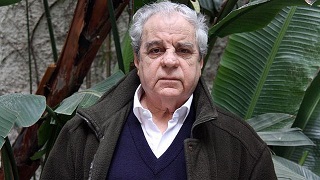
De Ierse schrijver Brian Friel werd geboren op 9 januari 1929 geboren in Omagh, Noord-Ierland, in een katholiek onderwijzersgezin. Zie ook alle tags voor Brian Friel op dit blog.

Uit: Fathers and Sons

„Fenichka (laughing) He did not. That’s another of your stories.
Dunyasha Cross my heart, (into pram) Hello, Mitya. How are you today, my little darling? Are you well? (She spreads out under the sun.) Beautiful. This most be the hottest May ever. (eyes closed) Is that the big fiddle he’s playing?
Fenichka You (mow very well it’s called a cello.
Dunyasha Sort of nice, isn’t it? Bit lonely – like himself.
Fenichka Is he lonely?
Dunyasha You should know. Not much good for dancing.
Fenichka I heard you were dancing last night.
Dunyasha Five this morning. Oh, that heat’s lovely.
Fenichka Any good?
Dunyasha You mean did I click? (She sits up.) Tell me this, Fenichka: remember all those young fellows used to be at the dances when you and I went together – all that laughing and all that fun – remember?
Fenichka Yes.
Dunyasha Well, where in God’s name have they gone to, those boys? Or haven’t they young brothers? All you see now are half-drunk louts that say things like, ‘My God, girl, but you’re a powerful armful of meat.’
Fenichka laughs. It’s true. That’s what a big clodhopper said to me last night. And if it’s not the clodhoppers it’s the usual old lechers with their eyes half-closed and their hands groping your burn.

She sees Pavel entering left with a book under his arm. She gets quickly to her feet. Pavel is the typical ‘Europeanized’ Russian of the nineteenth century – wears English clothes, speaks French. His manner is jaded but his emotions function fully and astutely.

Jesus, here comes the Tailor’s Dummy! He must have spotted you.”



Brian Friel (Omagh, 9 januari 1929)
Scene uit een opvoering in Londen, 2014
Lees verder “Brian Friel, August Gailit, Chaim Nachman Bialik, Anne Rivers Siddons, Giovanni Papini, Lascelles Abercrombie, Pierre Garnier, Thomas Warton”

Nora Bossong

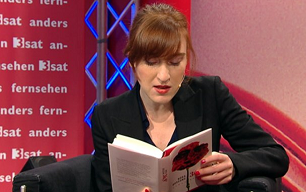
De Duitse dichteres en schrijfster Nora Bossong werd geboren op 9 januari 1982 in Bremen. Bossong kreeg in 2001 een beurs voor het eerste literatuur laboratorium Wolfenbüttel. Zij studeerde literatuur aan het Duitse literatuur Instituut in Leipzig en culturele studies, filosofie en vergelijkende literatuurwetenschap aan de Humboldt Universiteit van Berlijn, de Universiteit van Potsdam en de universiteit La Sapienza in Rome. Bossong heeft poëzie en proza gepubliceerd in bloemlezingen, literaire tijdschriften en in haar eigen boeken. In 2006 debuteerde ze met de roman “Gegend”. Zij publiceerde verder nog de romans “Weber Protocol” (2009) en “36.9 °”(2015). Haar gedichtenbundel gedichten “Sommer vor den Mauern” (2011) werd in 2012 bekroond met de Peter Huchel Prijs.

Leichtes Gefieder

Vielleicht zu spät, als eine Krähe
unseren Morgen kappt. Ein Schlag.
Und ob sie fällt und ob sie weiterfliegt –
Ich frag zu laut, ob du noch Kaffee magst.
Dein Blick ist schroff, wie aus dem Tag gebrochen.
Es riecht nach Sand. Du fragst mich, ob ich wisse,
dass Krähen einmal weiß gefiedert waren.
Ich lösch die Zigarette aus, ich wünsch mich
weg von hier, ich möchte niemanden,
ich möchte höchstens einen andern sehen.
Du nennst mich: Koronis. Ich zeig zum Fenster:
Sieh doch, die Aussicht hat sich nicht verändert!
Was gehen dich die Stunden an, die du nicht kennst?
Ich will nur Mädchen sein, nicht in Arkadien leben.
Dein Nagel scharrt noch in der Asche,
doch du bist still, als wärst du fort.
Ich bin zu leicht für deine Mythen.


Reglose Jagd

Die Ställe hangabwärts, es heißt, den Hasen
habe ein Marder geholt, ein Fuchs, niemand
ist sicher, man lebt hier selten
des Nachts. Das Haus zu groß
für ein Haus, die Menschen zu reich,
nicht aus meiner Zeit. Dennoch gehen wir
auf die Jagd gemeinsam, durch die verwachsenen
Ränder des Familienerbes, kein Tier
knackt das Unterholz, kein Kadaver
legt seinen Geruch wie ein spukender Ahne
an die Grenze des Grundstücks. Ich glaube, alles
hält die Terrasse verborgen, niemand
folgt mir nach, wie sollten sie auch, meine Tage
liegen anderswo. Nur die Seeadler auf den Pfosten
lassen mich nicht aus dem Blick, ich fühle
ihre gefeilten Augen mir in den Nacken starren,
bis ich stürze, doch das ist unwesentlich, nur
eine kurzfristige Veränderung des alten Gebäudes.


Nora Bossong (Bremen, 9 januari 1982)

Juan Marsé, Alfred Tomlinson, Gaston Miron, Leonardo Sciascia, Waldtraut Lewin, Vasyl Stus, Claudia Grehn

De Catalaanse schrijver Juan Marsé werd geboren op 8 januari 1933 in Barcelona. Zie ook alle tags voor Juan Marsé op mijn blog.

Uit: Calligraphie des rêves (Vertaald door Jean-Marie Saint-Lu)

« Durant quelques secondes, elle a l’air de ne pas savoir où elle se trouve, elle tourne sur elle-même en tâtant l’air avec ses mains, jusqu’au moment où, s’immobilisant, tête baissée, elle pousse un cri long et rauque, comme sorti de son ventre, et qui peu à peu se transforme en soupirs pour finir en miaulements de petit chat. Elle commence à remonter la rue en trébuchant puis s’arrête, elle se tourne, cherchant un appui alentour, et aussitôt après, fermant les yeux et croisant les mains sur sa poitrine, elle se baisse en se repliant lentement sur elle-même, comme si cela lui procurait réconfort ou soulagement, puis s’allonge sur le dos, en travers des rails du tramway encore incrustés dans ce qui reste du vieux pavage. Des voisins et quelques passants occasionnels, peu nombreux et fatigués à cette heure et sur ce tronçon haut de la rue, n’en croient pas leurs yeux. Qu’est-ce qu’il lui a pris, tout à coup, à cette femme ? Allongée sur la voie de toute sa longueur, qui n’est pas grande, ses genoux massifs et brunis sur la plage de la Barceloneta pointant sous sa blouse entrouverte, les yeux fermés et les pieds bien joints dans ses pantoufles de satin à pompons pas très propres, que diable prétend-elle faire ? Faut-il supposer qu’elle veut en finir avec la vie sous les roues d’un tramway ? « Victoria ! crie une femme du trottoir. Qu’est-ce que tu fais, malheureuse ? » Elle n’obtient pas de réponse. Pas même un clignement de paupière. Très vite, un petit groupe de curieux se forme autour de la femme allongée, la plupart craignant d’être victimes d’une plaisanterie macabre. Un vieil homme tât e à plusieurs reprises la généreuse hanche avec sa canne, comme s’il ne pouvait croire qu’elle soit vivante. « Eh vous, là, qu’est-ce que c’est que cette plaisanterie ? grommelle-t-il, en la harcelant. Que cherchez-vous à faire ? » Parler d’elle, comme toujours, doit penser plus d’une voisine : que ne ferait pas cette grue pour attirer l’attention de son homme. Quadragénaire blonde aux yeux bleus pétillants , au tempérament expansif et très populaire dans le quartier, la grassouillette Mme Mir, qui avait été Dame infirmière formée dans un collège de la Phalange et exerçait maintenant comme soignante et kiné pr ofessionnelle, à en croire ses cartes de visite, avait fait et continuait à faire pas mal parler d’elle à cause de ses mains audacieuses, qui dispensaient frictions corpor elles et calmaient diverses ardeurs, et dont le talen t équivoque favorisait de fréquentes divagations amoureuses, surtout depuis que son mari, ex-maire adjoint autoritaire et bravache, avait été interné à l’hôpital San Andrés, à la fin de l’année précédente. »


Juan Marsé (Barcelona, 8 januari 1933)

Lees verder “Juan Marsé, Alfred Tomlinson, Gaston Miron, Leonardo Sciascia, Waldtraut Lewin, Vasyl Stus, Claudia Grehn”

Wilkie Collins

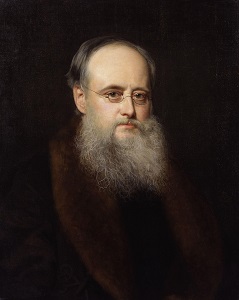
De Britse schrijver Wilkie Collins werd geboren in Londen op 8 januari 1824. Collins was een veelschrijver en publiceerde ook in Dickens’ tijdschriften Household Words en All the Year Round. Hij geniet de meeste bekendheid als schrijver van de romans “The Woman in White” (1860) en “The Moonstone” (1868), beide voorlopers van de detectiveroman. De publicatie van “The Moonstone” zorgde voor een sensatie door de sensationele beschrijvingen die erin werden gegeven van opiumverslaving. Wilkie Collins baseerde deze gedeeltelijk op zijn eigen ervaringen met deze drug. Als een gevolg van deze verslaving leed Wilkie Collins op latere leeftijd in toenemende mate aan waanvoorstellingen. De meest opzienbarende hiervan was zijn overtuiging dat hij constant werd vergezeld van een dubbelganger, die hij “Ghost Wilkie” noemde. Wilkie Collins was de oudste zoon van de kunstschilder William Collins en een broer van Charles Allston Collins, die eveneens schilder was. In 1848 publiceerde hij een biografie van zijn vader onder de titel Memoirs of the Life of William Collins, Esq., R.A.

Uit: The Moonstone

“One of the wildest of these stories related to a Yellow Diamond — a famous gem in the native annals of India.
The earliest known traditions describe the stone as having been set in the forehead of the fourhanded Indian god who typifies the Moon. Partly from its peculiar colour, partly from a superstition which represented it as feeling the influence of the deity whom it adorned, and growing and lessening in lustre with the waxing and waning of the moon, it first gained the name by which it continues to be known in India to this day — the name of THE MOONSTONE.
A similar superstition was once prevalent, as I have heard, in ancient Greece and Rome; not applying, however (as in India), to a diamond devoted to the service of a god, but to a semi-transparent stone of the inferior order of gems, supposed to be affected by the lunar influences
— the moon, in this latter case also, giving the name by which the stone is still known to collectors in our own time.
The adventures of the Yellow Diamond begin with the eleventh century of the Christian era.
At that date, the Mohammedan conqueror, Mahmoud of Ghizni, crossed India; seized on the holy city of Somnauth; and stripped of its treasures the famous temple, which had stood for centuries — the shrine of Hindoo pilgrimage, and the wonder of the Eastern world.
Of all the deities worshipped in the temple, the moongod alone escaped the rapacity of the conquering Mohammedans. Preserved by three Brahmins, the inviolate deity, bearing the Yellow Diamond in its forehead, was removed by night, and was transported to the second of the sacred cities of India — the city of Benares.
Here, in a new shrine — in a hall inlaid with precious stones, under a roof supported by pillars of gold — the moongod was set up and worshipped. Here, on the night when the shrine was completed, Vishnu the Preserver appeared to the three Brahmins in a dream.
The deity breathed the breath of his divinity on the Diamond in the forehead of the god. And the Brahmins knelt and hid their faces in their robes. The deity commanded that the Moonstone should be watched, from that time forth, by three priests in turn, night and day, to the end of the generations of men. And the Brahmins heard, and bowed before his will. The deity predicted certain disaster to the presumptuous mortal who laid hands on the sacred gem, and to all of his house and name who received it after him. And the Brahmins caused the prophecy to be written over the gates of the shrine in letters of gold.”

 
Wilkie Collins (8 januari 1824 – 23 september 1889)
Portret door Rudolph Lehmann, 1880

Frans Kellendonk, Reginald Gibbons, Dionne Brand, Sofi Oksanen, Henk van Zuiden, Shobhaa Dé, Marie Desplechin

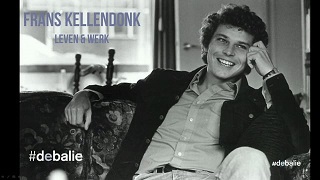
De Nederlandse schrijver en vertaler Frans Kellendonk werd geboren in Nijmegen op 7 januari 1951. Zie ook alle tags voor Frans Kellendonk op dit blog.

Uit: Beeld en gelijkenis

“De pastoor had een monotoon stemgeluid dat het onmogelijk maakte om de eucharistie met begrip te volgen. Hij was klein en rond en zijn gezicht was zo rooddooraderd dat het, de huidcrème die hij erop aanbracht ten spijt, in een netje leek te hangen, als een nieuwe plastic voetbal. Op zijn al te vleeskleurige lippen zat roze parellipstick. Hij had wulpse handjes die zich onweerstaanbaar tot elkaar aangetrokken voelden en elkaar onophoudelijk knuffelden en opvrijden. Er werd gefluisterd dat hij het met een vrouw hield.
Op een goede dag kregen we een hulpkapelaan, een jonge Franciscaan met zwart haar en felle bruine ogen, die in zijn sandalen geen sokken droeg van witte zijde, zoals de pastoor, maar blote voeten die rood zagen van de kou. Hij is maar kort gebleven. Eén keer heeft hij gepreekt en de arme gelovigen, die gedoopt waren voor ze ‘pap’ konden zeggen, die elke week trouw hun plaatsengeld en collectegeld hadden betaald, en ook voor de missie-acties regelmatig een kleinigheid hadden afgedragen, die toch mochten menen dat ze al met één been in de hemel stonden, kregen van hem te horen dat ze heidenen waren. ‘Bekeert u!’ snauwde hij hen van de kansel toe. Zo zout hadden ze het nog nooit gegeten. Hij bestond het bovendien om die brave mensen voor zondaars uit te maken. De brave mensen vonden dat hij beter naar z’n eigen kon kijken. Maar ik vond dat getier van hem een weldaad, na de fluwelen dwingelandij waar ik aan gewend was, en toen ik hoorde dat hij wegens zijn te grote ijver spoedig weer zou moeten vertrekken ging ik op een vrijdagavond bij hem te biecht. Terwijl hij achter het luikje nog zat te bidden voor de vorige biechteling, een geruststellend onderkeels gebrom, af en toe onderbroken door een diepe zucht, zei ik mijn oefening van geloof; daarna bekende ik de zonden die ik altijd bekende en hij wilde me al de penitentie opgeven toen ik tenslotte durfde te stotteren: ‘Eh… pater… Pater, ik moet u nog iets zeggen… Ik, eh, scháám me altijd zo vreselijk. En ik weet niet hoe het komt.’
Zo was het precies. Ik, een zondagskind, één en al levenslust en plezier, was me in mijn elfde levensjaar een etterende leproos gaan voelen. Zomaar, ineens.”


Frans Kellendonk (7 januari 1951 – 15 februari 1990)
Affiche voor een programma in De Balie in Amsteram, mei 2015

Lees verder “Frans Kellendonk, Reginald Gibbons, Dionne Brand, Sofi Oksanen, Henk van Zuiden, Shobhaa Dé, Marie Desplechin”

Thomas Hill

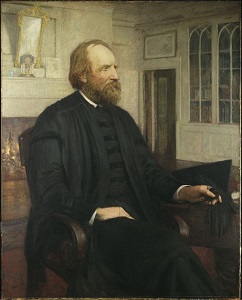
De Amerikaanse Amerikaanse dominee, wiskundige, wetenschapper, dichter, filosoof en pedagoog Thomas Hill werd geboren op 7 januari 1818 in Brunswick, New Jersey. Hij leerde al op heel jonge leeftijd lezen, bleef altijd een gulzig lezer en dwong respect af door zijn ruime en accurate geheugen. Zijn vader onderwees hem in de plantkunde. Hill hield van de natuur en bedacht wetenschappelijke instrumenten, zoals een instrument om eclipsen te berekenen, waarvoor hem door het Franklin Institute een medaille werd toegekend,. Hoewel hij niet formeel was opgeleid bezocht Hill korte tijd de Lower Dublin Academy in Holmesburg, Pennsylvania en de Leicester Academy in Massachusetts, die hij in 1837 verliet. Hij behaalde zijn B.A..en zijn theologische graad aan de Harvard University in respectievelijk 1843 en 1845. Hill was president van Antioch College in de periode 1860-1862 tot de Burgeroorlog hem dwong het college te sluiten; vervolgens bekleedde hij het presidentschap van Harvard University van 1862 tot 1868. Een slechte gezondheid veroorzaakt zijn pensionering van Harvard en vanaf 1873 was hij hoofd van de Unitarian parochie in Portland, Maine. Zijn belangrijkste werken omvatten “Geometry and Faith” (1849); “Jesus, the Interpeter of Nature, and Other Sermons” (1860); The True Order of Studies (1876), “In the Woods, and Elsewhere” (1888); and “The Postulates of Revelations and of Ethics” (1895). Als student aan Harvard publiceerde Hill een brochure met vijf gedichten om op de Boston anti-slavernij beurs van 1843 voor het goede doel te verkopen. Twee van Hills gedichten, “The Mother’s Prayer” en “The Runaway” behoren tot de beter bekende anti-slavernij poëzie.

The Mother’s Prayer

Thou knowest, O God, my griefs,
Thou see’st my bitter tears,
Thou knowest all my sufferings past,
And my foreboding fears.

My husband they have sold;
Alas!  the bitter day!
Too true to leave me willingly,
They forced him far away.

Our prattling infants, too,
Most piercing thought of all,
Sold into strangers’ cruel hands,
What evils may befall!

I pray, O God, that thou
Wouldst take them from the earth,
I ask their death, who once from thee,
More madly, asked their birth.

O’er me, weighed down by care,
Pierced through by sorrow’s stings,
O’er me, from day to day the same,
The slave-whip ceaseless swings.

I pray, O God, for him
Who causes all this woe;
Though he no mercy has for us,
To him thy mercy show.

No vengeance would I ask,
Let not thy wrath be felt,
But let thy goodness touch his heart,
Its stubborn hardness melt.

One thing at least I trust,
My only hope it is,
There’ll be no slavery in the world
That follows after this.

 
Thomas Hill (7 januari 1818 – 21 november 1891)
Portret door Edward E. Simmons, 1895

De schriftgeleerden en de wijzen (Muus Jacobse)

Bij het feest van Driekoningen


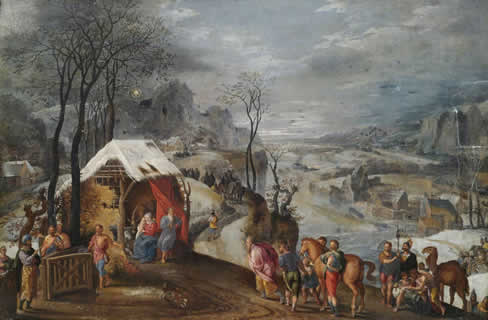
De aankomst van de Heilige Drie Koningen bij de stal,
toegeschreven aan Gillis Mostaert (1528 – 1598)


De schriftgeleerden en de wijzen

Zij hebben neergezeten
Bij hun vergeelde boeken,
Zij hebben niet geweten
Dat God geboren was,

Maar uit het oosten kwamen
Drie koningen Hem zoeken,
Die van een ster vernamen
Wat geen in woorden las.

‘Gij meesters der historie,
Zeg ons, waar is zijn woning
Die aller heemlen glorie
In éne sterre meldt?’

Zij spraken: ‘ ’t Is geschreven
Dat aller eeuwen koning
Heeft Bethlehem verheven’,
En waren zeer ontsteld.

Zij deden hen in donker
Als doden uitgeleide.
Er was geen stergeklonker,
De nacht stond om hen heen.

Maar ver van de geleerden,
O wonderlijk verblijden,
Hoe daar de sterre keerde
Die allen overscheen!

‘Komt laten wij aanbidden
God die zich openbaarde,
Want Hij is in ons midden,
Met majesteit omkleed!’

Zij brachten Hem geschenken:
De gouden schat der aarde,
De wierook van hun denken,
De mirre van hun leed.


Muus Jacobse (13 september 1909 – 21 november 1972)
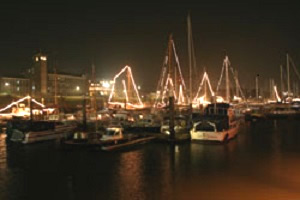
De Kersthaven van Terschelling. Muus Jacobse werd geboren op Terschelling


Zie voor de schrijvers van de 6e januari ook mijn vorige blog van vandaag.

Hester Knibbe, Khalil Gibran, Romain Sardou, Carl Sandburg, Jens Johler, E. L. Doctorow

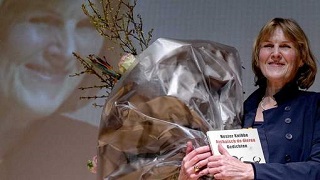
De Nederlandse dichteres Hester Knibbe werd geboren op 6 januari 1946 in Harderwijk. Zie ook alle tags voor Hester Knibbe op dit blog.


En hij bestond

En hij bestond. We pakten hem
op, zwierden hem in het rond en
nog eens en hij kraaide want hij was
in lievelingshanden en toen was het

hup de wereld in met je hart
dat men afpakken kan, kan breken
in een hoek smijten: niks waard zo’n

hart geen porselein of goud, meer een roestig
soort klei en je hebt er zoveel van, ook het jouwe
gaat straks op de schroothoop. Maar hij

wilde niet weg, hij wilde
groeien en blijven waar het goed was en goed
wilde hij worden met vileine streken. Schulp

is een woord als schuld, de kom waarin elk
rondkruipt, telkens opnieuw het lichaam
verkent: ben ik dat, een soort groot

gebaar waarmee ik soms iemand
in het gezicht sla? 


Thuiskomst

Ik droomde dat ik van je
droomde: we zaten op de bank en
praatten wat, je droeg de trui die ik
die dag gedragen had, je haar was
nat van alle regen. Je lijf solide

warm had weer de frisheid van
wanneer je in de grienden was geweest
en je vertelde feestelijk gewoon
dat het daarginds toch anders
bleek, hoe diep de wortels
reiken van de eik. En ik

verhaalde van wat ik hierboven
had geleefd, over het groeien van
de hazelaar, ook een bijzonder rijk
spinnenjaar zei ik. Je schaterlachte.


Domein
Voor Anke

Dit is je grondgebied, vruchtbaar
maar afgemeten. Zet hier je paden uit,
de smalle en de brede. Stenen
zijn inclusief, grenzen staan

vast. Mijd Eden. Die hof lijkt
uitgediend; de boom die in het midden
staat, kraakt onder vrucht en blad,
muurvast dringt het seizoen

rond het verleden. Blijf ervan
af. Schaf schoenen aan, ga
stevig stap voor stap.


Hester Knibbe (Harderwijk, 6 januari 1946)

Lees verder “Hester Knibbe, Khalil Gibran, Romain Sardou, Carl Sandburg, Jens Johler, E. L. Doctorow”

Benedikt Livshits

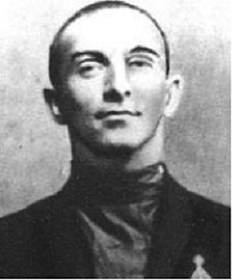
De Russische dichter, schrijver en vertaler Benedikt Konstantinovich Livshits werd geboren op 6 januari 1887 in een ​​geassimileerd joods gezin in Odessa. Hij studeerde rechten aan de Universiteit van Novorossia en vervolgens naar de universiteit van Kiev, waar hij afstudeerde in 1912. Hij werd opgeroepen voor het Russische leger en diende in het 88ste Infanterie Regiment. In 1914 werd hij opnieuw opgeroepen en diende bij de infanterie tijdens Wereldoorlog I, waarvoor hem het het kruis van St. George werd verleend. Zijn eerste dichtbundel werd in 1909 gepubliceerd in een Bloemlezing van de moderne poëzie (Kiev) In 1910 werkte hij voor symbolistische kunsttijdschrift Apollon van Sergei Makovsky. Samen met Wladimir Burliuk, David Boerljoek, Vladimir Majakovski, Vasily Kamensky en Alexandra Exter was hij lid van de Futuristische groep Gilea. In 1933 publiceerde hij een boek met memoires “De anderhalf-ogige boogschutter”, dat wordt beschouwd als een van de beste geschiedenissen van het Russische Futurisme. In 1934 verscheen een groot boek met vertalingen van Franse poëzie, Van romatiek tot surrealisme. In 1937, tijdens de Grote Zuivering, werd hij gearresteerd en op 21 september 1938 geëxecuteerd als een “vijand van het volk”. Zijn dossier werd vervalst om te verklaren dat hij stierf aan hartfalen op 15 mei 1939.

Palace Square

Hooves in the air, and the arch
Of a scarletstoned throat,
And the fatal firepool
Of buildings drugged on sunset:

Foreigners expelled
From the kingdom of crimson
Must burst from the flame of the palace
Like black solar flares.

Not the color of a jellyfish
But a heart gushing blood
Lies on the circular plaza:
Let no one judge the widow’s fate.

And what Russian wouldn’t understand
What heart lies in the grey body,
When the column’s sovereign flight
Is but the axle of a cruel carousel?

Your murmurs alone, Neva,
Like a splashing that pleases her little,
The proud widow cherishes
Under the bloodless dome of Headquarters:

By morning the herald will dash into
The marine lilac, the grey break,
And the golden iris of the Admiralty
Will bloom at last.


Benedikt Livshits (6 januari 1887 – 21 september 1938)


Umberto Eco, Peter Zingler, Paul Ingendaay, Ngũgĩ wa Thiong’o, László Krasznahorkai, Luisa Futoransky, Forough Farokhzad

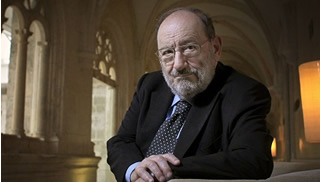
De Italiaanse schrijver Umberto Eco werd geboren op 5 januari 1932 in Allasandria. Zie ook alle tags voor Umberto Eco op dit blog.

Uit: The Mysterious Flame of Queen Loana (Vertaald door Geoffrey Brock)

„Yet every so often it was as if I had opened my eyes and were seeing flashes. I could hear voices: “Strictly speaking, Signora, it isn’t a coma….No, don’t think about flat encephalograms, for heaven’s sake….There’s reactivity….”
Someone was aiming a light into my eyes, but after the light it was dark again. I could feel the puncture of a needle, somewhere. “You see, there’s withdrawal…”
Maigret plunges into a fog so dense that he can’t even see where he’s stepping….The fog teems with human shapes, swarms with an intense, mysterious life. Maigret? Elementary, my dear Watson, there are ten little Indians, and the hound of the Baskervilles vanishes into the fog.
The gray vapor was gradually losing its grayness of tint, the heat of the water was extreme, and its milky hue was more evident than ever…And now we rushed into the embraces of the cataract, where a chasm threw itself open to receive us.
I heard people talking around me, wanted to shout to let them know I was there. There was a continuous drone, as though I were being devoured by celibate machines with whetted teeth. I was in the penal colony. I felt a weight on my head, as if they had slipped the iron mask onto my face. I thought I saw sky blue lights.
“There’s asymmetry of the pupillary diameters.”
I had fragments of thoughts, clearly I was waking up, but I could not move. If only I could stay awake. Was I sleeping again? Hours, days, centuries?
The fog was back, the voices in the fog, the voices about the fog. Seltsam, im Nebel zu wandern! What language is that? I seemed to be swimming in the sea, I felt I was near the beach but was unable to reach it. No one saw me, and the tide was carrying me away again.”


Umberto Eco (Allasandria, 5 januari 1932)

Lees verder “Umberto Eco, Peter Zingler, Paul Ingendaay, Ngũgĩ wa Thiong’o, László Krasznahorkai, Luisa Futoransky, Forough Farokhzad”