Didi de Paris

De Vlaamse dichter Didi de Paris werd geboren op 10 mei 1957 in Leuven. Gedichten van hem verschenen o.a. in de bloemlezingen Double Talk en Sprong naar de sterren en in tijdschriften als ‘MillenniuM’, ‘De Rottend Staal Nieuwsbrief’ en ‘De Brakke Hond’. Hij was medewerker aan het Vlaamse glossy undergroundtijdschrift ‘Gonzo Circus’ en heeft regelmatig columns op Vlaamse radio- en televisiestations. 

De liefdesbrief

’n Electronic handshake gelijk
als het werk van jouw hand
verglijdt in de mijne : alles vloeit –
handwerk. Ik zie je, ik zie je niet

en toch raakt heel mijn lijf en ziel
vervuld van jou. Je bent een blad
dat trilt in de nerf van mijn hand,
(de linker), terwijl de rechter vaardig

kneedt en perst, de witte inkt pomp
uit mijn diepste en onverteerbare ik
en jou in een mum van tijd, ongezien
en ongehoord, dien van wederwoord.

Ik, jouw lijfeigene valsemunter, pleeg
schurftig schriftvervalsing, vermaak
jouw handschrift van dein tot mijn,
tot het woekert als een miniatuur,
een hologram, Delftsch blauw
dat tintelt door mijn aderen.

Ik streel stuntelig je huid, je haar, en alles
verwordt tot perkament, een palimpsest,
gelooid in tijd, door ruimte verschroeid.

Didi de Paris (Leuven, 10 mei 1957)

Thomas Pynchon, Roddy Doyle, Gertrud Fussenegger, Pat Barker, Gary Snyder, Romain Gary, Edmund Wilson, Peter Benchley

De Amerikaanse schrijver Thomas Pynchon werd op 8 mei 1937 geboren in Glen Cove, Long Island, New York.


Uit: V


Christmas Eve, 1955, Benny Profane, wearing black levis, suede jacket, sneakers and big cowboy hat, happened to pass through Norfolk, Virginia. Given to sentimental impulses, he thought he’d look in on the Sailor’s Grave, his old tin can’s tavern on East Main Street. He got there by way of the Arcade, at the East Main end of which sat an old street singer with a guitar and an empty Sterno can for donations. Out in the street a chief yeoman was trying to urinate in the gas tank of a ’54 Packard Patrician and five or six seamen apprentice were standing around giving encouragement. The old man was singing, in a fine, firm baritone:


Every night is Christmas Eve on old East Main,
Sailors and their sweethearts all agree.
Neon signs of red and green
Shine upon the friendly scene,
Welcoming you in from off the sea.
Santa’s bag is filled with all your dreams come true:
Nickel beers that sparkle like champagne,
Barmaids who all love to screw,
All of them reminding you
It’s Christmas Eve on old East Main.


“Yay chief,” yelled a seaman deuce. Profane rounded the corner. With its usual lack of warning, East Main was on him.

Since his discharge from the Navy Profane had been roadlaboring and when there wasn’t work just traveling, up and down the east coast like a yo-yo; and this had been going on for maybe a year and a half. After that long of more named pavements than he’d care to count, Profane had grown a little leery of streets, especially streets likethis. They had in fact all fused into a single abstracted Street, which come the full moon he would have nightmares about. East Main, a ghetto for Drunken Sailors nobody knew what to Do With, sprang on your nerves with all the abruptness of a normal night’s dream turning to nightmare. “


Pynchon_Cover

Thomas Pynchon (Glen Cove, 8 mei 1937)
Boekomslag “V”


De Ierse schrijver Roddy Doyle werd geboren in Dublin op 8 mei 1958.


Uit: A Star Called Henry


My mother looked up at the stars. There were plenty of them up there. She lifted her hand. It swayed as she chose one. Her finger pointed.
— There”s my little Henry up there. Look it.
I looked, her other little Henry sitting beside her on the step. I looked up and hated him. She held me but she looked up at her twinkling boy. Poor me beside her, pale and red-eyed, held together by rashes and sores. A stomach crying to be filled, bare feet aching like an old, old man”s. Me, a shocking substitute for the little Henry who”d been too good for this world, the Henry God had wanted for himself. Poor me.
And poor Mother. She sat on that step and other crumbling steps and watched her other babies joining Henry. Little Gracie, Lil, Victor, another little Victor. The ones I remember. There were others, and early others sent to Limbo; they came and went before t
hey could be named. God took them all. He needed them all up there to light the night. He left her plenty, though. The ugly ones, the noisy ones, the ones He didn”t want — the ones that would never stay fed.
Poor Mother. She wasn”t much more than twenty when she gazed up at little twinkling Henry but she was already old, already decomposing, ruined beyond repair, good for some more babies, then finished.
Poor Mammy. Her own mother was a leathery old witch, but was probably less than forty. She poked me, as if to prove that I was there.
— You”re big, she said.
She was accusing me, weighing me, planning to take some of me back. Always wrapped in her black shawl, she always smelt of rotten meat and herrings — it was a sweat on her. Always with a book under the shawl, the complete works of Shakespeare or something by Tolstoy. Nash was her name but I don”t know what she called herself before she married her dead husband.“


roddy_doyle

Roddy Doyle (Dublin, 8 mei 1958)


De Amerikaanse dichter Gary Snyder werd geboren op 8 mei 1930 in San Francisco.

How Poetry Comes to Me

It comes blundering over the
Boulders at night, it stays
Frightened outside the
Range of my campfire
I go to meet it at the
Edge of the light


For All

Ah to be alive
on a mid-September morn
fording a stream
barefoot, pants rolled up,
holding boots, pack on,
sunshine, ice in the shallows,
northern rockies.

Rustle and shimmer of icy creek waters
stones turn underfoot, small and hard as toes
cold nose dripping
singing inside
creek music, heart music,
smell of sun on gravel.

I pledge allegiance

I pledge allegiance to the soil
of Turtle Island,
and to the beings who thereon dwell
one ecosystem
in diversity
under the sun
With joyful interpenetration for all.


snyder

Gary Snyder (San Francisco, 8 mei 1930)


De Oostenrijkse schrijfster Gertrud Fussenegger werd geboren op 8 mei 1912 in Pilsen. Gertrud Fussenegger overleed op 19 maart van dit jaar op 96-jarige leeftijd.


Uit: Die Brüder von Lasawa


„Mit Zdenko sprach er, obwohl sie fast den ganzen Tag miteinander verbrachten, sehr wenig. Er hatte es in jener ersten Stunde, da er ihn beim Ballspiel getroffen, nicht über sich gebracht, dem Endlich-Gefundenen zu gestehen, wie lange er ihn gesucht, wie viele Wege er um seinetwillen gemacht hatte, ja, daß er nur seinetwegen, um den Bruder zu gewinnen, den Perwög-Namen ausgeschlagen, das Muttererbe fortgeworfen, die Heimat verlassen habe. Er gab auf Zdenkos Frage, wieso er hieher nach Wien gekommen sei, eine beiläufige Antwort, als hätte ihn Abenteuerei und Laune und vielleicht noch ein Auftrutzen gegen die großväterliche Herrschaft zu dieser Wanderung verführt. Auch hatte er nicht gesagt, daß er in Lasawa gewesen, und schließlich auch die Fahrt mit dem wahnsinnigen Mädchen verschwiegen. Zdenko drang auch nicht mit Fragen in ihn. Nur sein Blick ruhte oft, verstohlen forschend, auf dem jüngeren Bruder. Hie und da erkundigte er sich nach dem Handel, nach den Bräuchen der Landleute und Bürger in Tirol. Er war auf einer Fahrt einmal durch das Inntal gekommen, hatte sogar in Hall gerastet und daran gedacht, daß sein Vater hier eine zweite Frau genommen habe. “Und du bist nicht zu uns gekommen?” fragte Christof.“


Fussenegger

Gertrud Fussenegger (8 mei 1912 – 19 maart 2009)


De Engelse  schrijfster Pat Barker werd geboren in Thornaby-on-Tees op 8 mei 1943.


Uit: Another World


Cars queue bumper to bumper, edge forward, stop, edge forward again. Resting his bare arm along the open window, Nick drums his fingers. The Bigg Market on a Friday night. Litter of chip cartons, crushed lager cans, a gang of lads with stubble heads and tattooed arms looking for trouble — and this is early, it hasn’t got going yet. Two girls stroll past, one wearing a thin, almost transparent white cotton dress. At every stride her nipples show, dark circles beneath the cloth, fish rising. One of the lads calls her name: `Julie!’ She turns, and the two of them fall into each other’s arms.

    Nick watches, pretending not to.


What is love’s highest aim?
Four buttocks on a stem.


Can’t remember who said that — some poor sod made cynical by thwarted lust. Nothing wrong with the aim, as far as Nick can see — just doesn’t seem much hope of achieving it any more. And neither will these two, or not yet. The boy’s mates crowd round, grab him by the belt, haul him off her. `Jackie-no-balls
,’ the other girl jeers. The boy thrusts his pelvis forward, makes wanking movements with his fist.

    Lights still red. Oh, come on. He’s going to be late, and he doesn’t want to leave Miranda waiting at the station. This is the first visit to the new house. Fran wanted to put it off, but then Barbara went into hospital and that settled it. Miranda had to come, and probably for the whole summer. Well, he was pleased, anyway.


pat-barker

Pat Barker (Thornaby-on-Tees, op 8 mei 1943)


De Franse schrijver, vertaler regisseur en diplomaat Romain Gary werd geboren op 8 mei 1914 in Vilnius, Litouwen.

Uit: Romain Gary, le caméléon (Biografie door Myriam Anissimov)

„Une partie de la famille Owczynski était établie dans la capitale polonaise et y vivait plutôt bourgeoisement. Mina avait à Varsovie son frère, Abraham Borukh, celui qui s’appelait Boleslaw, et exerçait la profession d’avocat malgré le numerus clausus. Il avait fait ses études à la faculté de Varsovie, où les étudiants juifs se faisaient rosser par leurs condisciples chrétiens et étaient parqués sur des bancs réservés. C’est lui que Gary désigne sous le prénom de Boris, au dos de la photo datée de 1949 prise quelques mois avant sa mort.
Borukh-Abraham avait épousé à vingt-deux ans sa cousine Myriam (Maria) Owczynska, la fille de solomon Owczynski, agée de dix-sept ans, originaire de Sweciany. Les jeunes gens s’étaient unis sous la khoupa le 22 avril 1912 à Wilno devant le rabbin Rubinstein qui avait déjà marié Mina et Arieh-Leïb

(…)

L’avocat de Jean Seberg avait réussi à la convaincre qu’un procès aux Etats-Unis n’avait aucune chance d’aboutir car, selon le droit anglo-saxon, elle devait apporter la preuve au juge que la mort de sa fille avait été causée par deux lignes mensongères de l’article paru dans . Au contraire, en France, Me Cournot et le bâtonnier Paul Arrighi, les conseils de Gary et Seberg, pouvaient l’emporter en invoquant l’atteinte à la vie privée. Le 25 octobre, la XVIIe chambre correctionnelle, présidée par M. Bracquemond, rejeta leur demande d’affirmer que la mort de Nina était imputable à l’article de Newsweek, mais leur donna raison sur le second motif, ‘le viol de la vie privée’. Le magazine américain avait accusé Romain Gary de diffamation pour son article publié dans France-Soir. Il fut acquitté eu égard aux circonstances.“


gary

Romain Gary (9 mei 1914 – 2 december 1980)


De Amerikaanse schrijver en criticus Edmund Wilson werd geboren op 8 mei 1895 in Red Bank, New Jersey.


Uit: Edmund Wilson: A Life in Literature (Biografie door Lewis M. Dabney)


On a brisk afternoon in September 1922, a conservatively dressed young man with red hair sat on the upper deck of a Fifth Avenue bus in Manhattan, engrossed in a manuscript. A friend at the literary magazine The Dial had put a long poem into his hands. The Dial was interested in publishing it, and the editors hoped that the young man—Edmund Wilson—would write an essay to elucidate the poem. By the time he reached Greenwich Village, Wilson had completed a first reading of T. S. Eliot’s The Waste Land. Decades later he would recall being “bowled over,” and his essay called the poem “simply one triumph after another.” This recognition of Eliot followed Wilson’s account, in The New Republic, of Joyce’s Ulysses as a masterpiece fusing naturalism and symbolism, re-creating the mind “straining always to perpetuate and perfect itself” and the body “always laboring and throbbing to throw up some beauty from its darkness.” He believed the general reader could absorb these works that challenged existing literary forms and commandeered in new ways the powers of language. Both Eliot and Joyce, he thought, occasionally tried one’s patience, but he was committed to making them more accessible.
Edmund Wilson was twenty-seven. He was fortunate to come on the scene as a critic when he did, but he had trained for this moment. At fifteen he had been sure of hisliterary vocation, and he absorbed all that liberal education had to offer both at the Hill School and at Princeton, where extraordinary teachers encouraged his curiosity and enthusiasm for books and about ideas. He emerged from his parents’ uncongenial marriage with emotional scars, but his confidence in his abilities was strong, and he was seasoned by a year as a hospital orderly in France during World War I. Though he hated the suffering he saw, he liked being on a footing of relative equality with Americans of diverse backgrounds, and returned to his country skeptical of institutions and of rank and social privilege. He joined Vanity Fair as an editorial assistant, immediately became its managing editor, and began publishing criticism there as well as in other magazines.“


wilson2

Edmund Wilson (8 mei 1895 – 14 juni 1972)


Zie voor alle bovenstaande schrijvers ook mijn blog van 8 mei 2007 en ook mijn blog van 8 mei 2008 en ook mijn blog van 8 mei 2009.


De Amerikaanse schrijver Peter Benchley werd geboren in New York City op 8 mei 1940.  Benchley studeerde in 1961 af aan de Harvard-universiteit, met als hoofdvak Engels. Hij is met name bekend geworden door zijn roman Jaws over een zeer gevaarlijke witte haai waar ook een eveneens bekende, gelijknamige speelfilm over is gemaakt. Later in zijn leven betreurde Benchley het dat hij witte haaien in zijn boeken als moorddadige beesten had afgeschilderd en zette hij zich in voor natuurbehoud.


Uit: Jaws


‘The boat was sinking. The stern was completely submerged, and the bow was rising.
The fish rolled off the stern and slid beneath the waves. The rope, attached to the dart Quint had stuck into the fish, followed.
Suddenly, Quint lost his footing and fell backward into the water. “The knife!” he cried, lifting his left leg above the surface, and Brody saw the rope coiled around Quint’s foot.
(….)
The fish came closer. It was only a few feet away, and Brody could see the conical snout. He screamed, an ejaculation of hopelessness, and closed his eyes, waiting for an agony he could not imagine.
Nothing happened. He opened his eyes. The fish was nearly touching him, only a foot or two away, but it had stopped. And then, as Brody watched, the steelgray body began to recede downward into the gloom. It seemed to fall away, an apparition evanescing into darkness.
Brody put his face into the water and opened his eyes. Through the stinging saltwater mist he saw the fish sink in a slow and peaceful spiral, trailing behind it the body of Quint – arms out to the sides, head thrown back, mouth open in a mute protest’


peter_benchley

Peter Benchley (8 mei 1940  – 11 februari 2006)


Zie voor nog meer schrijvers van de 8e mei ook
mijn vorige blog van vandaag.


Sloan Wilson, J. Meade Falkner, Alain-René Lesage, Johann von Besser, Sophus Schandorph, Otto Zierer

De Amerikaanse schrijver Sloan Wilson werd geboren op 8 mei 1920 in Norwalk, Connecticut. Zie ook alle tags voor Sloan Wilson op dit blog.


Uit: A Summer Place


“The most junior officer was usually given the graveyard watch, as it was called, lasting from midnight to four in the morning. In March of 1943, on only the third night that he had stood his own watch, a heavy gale was blowing. The convoy consisted of a dozen naval tankers taking gasoline to bases in Britain. Heavy-laden, they were smothered in foam by the Arctic combers, and the convoy speed had to be reduced to four knots. There were no moon and stars that night, and Bart’s ship had not yet been given radar. Depending on eyesight and echo sounding devices alone, Bart’s destroyer and three others tried to keep close to the unlighted vessels without running into them. It was bitter cold, with the spray freezing on deck and on the portholes of the pilothouse…It was eighteen minutes after two in the morning when a star shell suddenly burst over the convoy, turning the raging sea white. A wolf pack of five black submarines, almost invisible in the night, came charging arrogantly in on the surface with their deck guns stabbing the fat-bellied tankers. It hadn’t been necessary for the submarines to send up another star shell, for in the few seconds that the first one hung blazing in the sky, a gas tanker exploded, sending a column of fire a thousand feet into the air.”


wilson

Sloan Wilson (8 mei 1920 – 25 mei 2003)


De Engelse dichter en schrijver John Meade Falkner werd geboren op 8 mei 1858 in Manningford Bruce, Wiltshire. Zie ook mijn blog van 8 mei 2009.


Uit: The Nebuly Coat


„The Hand of God stood on the highest point in all the borough, and Mr. Westray’s apartments were in the third story. From the window of his sitting-room he could look out over the houses on to Cullerne Flat, the great tract of salt-meadows
that separated the town from the sea. In the foreground was a broad expanse of red-tiled roofs; in the middle distance St. Sepulchre’s Church, with its tower and soaring ridges, stood out so enormous that it seemed as if every house in the place could have been packed within its walls ; in the background was the blue sea. In summer the purple haze hangs over the mouth of the estuary, and through the shimmer of the heat off the marsh, can be seen the silver windings of the Cull as it makes its way out to sea, and snow-white flocks of geese, and here and there the gleaming sail of a pleasure-boat. But in autumn, as Westray saw it for the first time, the rank grass is of a deeper green, and the face of the salt-meadows is seamed with irregular clay-brown channels, which at high- tide show out like crows’-feet on an ancient countenance, but at the ebb dwindle to little gullies with greasy-looking banks and a dribble of iridescent water in the bottom. It is in the autumn that the moles heap up meanders of miniature barrows, built of the softest brown loam ; and in the turbaries the turf-cutters pile larger and darker stacks of peat. Once upon a time there was another feature in the view, for there could have been seen the masts and yards of many stately ships, of timber vessels in the Baltic trade, of tea- clippers, and Indiamen, and emigrant ships, and now and then the raking spars of a privateer owned by Cullerae adventurers.“


Falkner

J. Meade Falkner (8 mei 1858 – 22 juli 1932)
Falkner in 1883


De Franse schrijver Alain-René Lesage werd geboren op 8 mei 1668 in Sarzeau. Zie ook mijn blog van 8 mei 2009.


Uit: Le diable boiteux


Le dramaturge prétentieux : « Tous mes ouvrages, a-t-il continué sans façon, sont marqués au bon coin : aussi, quand je les lis, il faut voir comme on les applaudit ; je marrête à chaque vers pour recevoir des louanges. »
Le barbaresque esclavagiste : « Aby Ali me dit en langue castillane : Modérez votre affliction : consolez-vous dêtre tombée dans lesclavage ; ce malheur était inévitable pour vous ; mais que dis-je, ce malheur ? cest un avantage dont vous devez vous applaudir. Vous êtes trop belle pour vous borner aux hommages des chrétiens. Le ciel ne vous a point fait naître pour ces misérables mortels ; vous méritez les tous premiers hommes du monde : les seuls musulmans sont dignes de vous posséder. »

(…)


« Les femmes ne saiment point. Jen suppose deux parfaitement unies ; je veux même quelles ne disent pas le moindre mal lune de lautre en leur absence, tant elles sont amies ; vous les voyez toutes deux ; vous penchez dun côté, la rage se met de lautre ; ce nest pas que lenragée vous aime ; mais elle voulait la préférence. Tel est le caractère des femmes : elles sont trop jalouses les unes des autres pour être capables damitié. »


Lesage

Alain-René Lesage (8 mei 1668 – 17 november 1747)


De Duitse dichter Johann von Besser werd geboren op 8 mei 1654 in Frauenburg (tegenwoordig Saldus in Letland). Zie ook mijn blog van 8 mei 2009.


An die auff Doris brust verwelckte rose.

Wie hastu rose / voller pracht /
Auff Doris brust zu sterben wissen?
Hat dich ihr schnee beschämt gemacht /
Daß du davor erbleichen müssen?
Ja freylich blumen-königin /
Dein purpur weichet dem jeßmin /
Den dieser schöne kreiß läst spüren.
Doch sorge nicht ob dem verlust /
Du stirbst auff meiner Doris brust /
Du solst dadurch gar nichts verlieren,
Ich werde nun dein welckes blat /
In meynung Doris brust zu küssen /
An meinen mund zu drücken wissen /
Und wünschen / daß an deiner statt
Ich für dich hätte sterben müssen.


Johann_von_Besser02

Johann von Besser (8 mei 1654 – 10 februari 1729)


De Deense schrijver Sophus Schandorph werd geboren op 8 mei 1836 in Ringstedt. Zie ook mijn blog van 8 mei 2007 en ook mijn blog van 8 mei 2009.


Uit: Stina Becomes a Farmer’s Wife  (vertaald door Sally Ryan)


„She never stopped or quickened her steps, but kept an even pace with unchanging calmness, walking along with her feet apart, like a sturdy, broadgaged wagon, while the thick, heavy soles of her leather shoes made goodly tracks on the ground. Drops of perspiration trickled from her white forehead down her ruddy, freckled nose, but this was the only movement in her big, sun-burned face. She did not even blink in the sun. Her mouth was slightly open, displaying a remarkably strong and beautiful row of upper teeth. From time~ to time she ran the tip of her tongue over her lips, without, however, changing their position.

Stina had need to arm herself with patience; she had already walked two miles from the town where she was in service, and had fully four miles more to go before reaching the village of her destination. Her mistress, the widow of the late dean, had given her a whole day’s leave. This occurred twice a year, once at Shrovetide, and once after the summer holidays, when the two sons of the house had returned to their studies at the University in Copenhagen.

Stina always took advantage of these two free days to visit her eight-year-old daughter. With some help from the parish, this child–unfortunately born out of wedlock–had been placed in the care of a cottager and his wife in Stina’s native village. The father had worked on the same farm with Stina when she was twenty-two years old, but, upon learning that she was “in trouble,” he had hastily left for America.

Stina’s progress along the dusty road was very slow, just barely noticeable. One or two vehicles passed her. The first was a light cabriolet, on the back seat of which a fat country gentleman was sprawling, pulling at his cigar. On the front seat the coachman cracked his whip as the carriage whizzed by. Stina came near being struck by the tip of the lash. She even blinked a little at the threatening possibility. The dust stirred up by the wheels whirled around her like the steam from an engine and made her sneeze. Although there was plenty of room in the carriage, it would never occur to a “gentleman farmer” to give a peasant girl a lift, nor would she ever ask him to do so.“


Sophus_Schandorph

Sophus Schandorph (8 mei 1836 – 1 januari 1901)


Zie voor onderstaande schrijver ook mijn blog van 8 mei 2009.

 De Duitse schrijver Otto Zierer werd geboren op 8 mei 1909 in Bamberg.

Willem Elsschot, Robert Browning, Archibald MacLeish, Rabindranath Tagore, Stanisław Przybyszewski, Joseph Joubert, Karl Gustav Vollmõller, A. E. W. Mason, Therese Huber


De Vlaamse schrijver en dichter  Willem Elsschot werd in Antwerpen geboren op 7 mei 1882. Zie ook alle tags voor Willem Elschot op dit blog.


Uit: Lijmen / Het been

‘Het kopen is makkelijk genoeg,’ fluisterde Boorman, ‘maar hoe raak ik dat papier kwijt, want ik zou het liever niet versjouwen. Het beste zal zijn het dadelijk aan een van de concurrerende bieders over te doen. Hou ze dus goed in de gaten, zodat je ze kent, dan zal ik er een aanklampen bij ’t verlaten van de zaal. Zij krijgen het desnoods gratis.’
‘Ongeveer vierduizendvijfhonderd kilogram papier,’ riep de notaris. En uit een tas kreeg hij een exemplaar van ons Wereldtijdschrift, dat hij openvouwde als om te bewijzen dat het ook van binnen vol echt papier zat. Pas op dat moment zag ik op de eerste rij het been zitten.
‘De gehele voorraad bestaat uit exemplaren van dit zelfde tijdschrift,’ lichtte hij toe. ‘Het is glanzend papier van goede kwaliteit.’ Dat was dan ook alles wat er van gezegd kon worden.
Een algemene stilte viel in, als voelde niemand zich geroepen om de vijandelijkheden te openen., tot eindelijk een zware man, die al die tijd voor mij een smid was geweest, schuchter ‘honderd frank’ loste.
De papierliefhebbers tekenden zich nu af door opstaan, door het aannemen van een strakkere houding, door het onderbreken van een handeling. Zo liet ook mijn buurvrouw de vellen van haar vierde banaan afhangen, zonder de laatste hap te doen.
‘Honderdvijftig,’ sprak iemand achter ons, waarop de eerste ‘tweehonderd’ zei. Om beurten opbiedend waagde de zware man zich tot tweehonderdtachtig en toen zette zijn concurrent de laatste tien franc er bovenop. Die tweehonderdnegentig frank gingen het winnen, toen mijn buurvrouwtje, dat de hele morgen gegeten en gezwegen had, haar onttakelde banaan in de hoogte stak om de aandacht van de notaris te trekken en rustig driehonderdvijftig bood.
En zij was zo zeker dat niemand op dat reuzenbod zou durven reageren, dat zij zich dadelijk de mond vol stopte met haar laatste stuk en de schil tussen haar benen door onder de stoelen zwierde. De man die ’t eerste bod gedaan had, keerde zich om en lachte haar welgevallig toe, als voelde hij zich vereerd door haar verpletterd te worden.”


Elsschot

Willem Elsschot (7 mei 1882 – 31 mei 1960)
Standbeeld in Antwerpen


De Engelse dichter en schrijver Robert Browning werd geboren op 7 mei 1812 in Londen. Zie ook alle tags voor Robert Browning op dit blog.


The Guardian-Angel


A PICTURE AT FANO.


I.


Dear and great Angel, wouldst thou only leave

That child, when thou hast done with him, for me!

Let me sit all the day here, that when eve

Shall find performed thy special ministry,

And time come for departure, thou, suspending

Thy flight, mayst see another child for tending,

Another still, to quiet and retrieve.


II.


Then I shall feel thee step one step, no more,

From where thou standest now, to where I gaze,

—And suddenly my head is covered o’er

With those wings, white above the child who prays

Now on that tomb—and I shall feel thee guarding

Me, out of all the world; for me, discarding

Yon heaven thy home, that waits and opes its door.


III.


I would not look up thither past thy head

Because the door opes, like that child, I know,

For I should have thy gracious face instead,

Thou bird of God! And wilt thou bend me low

Like him, and lay, like his, my hands together,

And lift them up to pray, and gently tether

Me, as thy lamb there, with thy garment’s spread?


IV.


If this was ever granted, I would rest

My bead beneath thine, while thy healing hands

Close-covered both my eyes beside thy breast,

Pressing the brain, which too much thought expands,

Back to its proper size again, and smoothing

Distortion down till every nerve had soothing,

And all lay quiet, happy and suppressed.


V.


How soon all worldly wrong would be repaired!

I think how I should view the earth and skies

And sea, when once again my brow was bared

After thy healing, with such different eyes.

O world, as God has made it! All is beauty:

And knowing this, is love, and love is duty.

What further may be sought for or declared?


VI.


Guercino drew this angel I saw teach

(Alfred, dear friend!)—that little child to pray,

Holding the little hands up, each to each

Pressed gently,—with his own head turned away

Over the earth where so much lay before him

Of work to do, though heaven was opening o’er him,

And he was left at Fano by the beach.


VII.


We were at Fano, and three times we went

To sit and see him in his chapel there,

And drink his beauty to our soul’s content

—My angel with me too: and since I care

For dear Guercino’s fame (to which in power

And glory comes this picture for a dower,

Fraught with a pathos so magnificent)—


VIII.


And since he did not work thus earnestly

At all times, and has else endured some wrong—

I took one thought his picture struck from me,

And spread it out, translating it to song.

My love is here. Where are you, dear old friend?

How rolls the Wairoa at your world’s far end?

This is Ancona, yonder is the sea.


Browning

Robert Browning (7 mei 1812 – 12 december 1889)
Portret door Thomas Buchanan Read, 1853


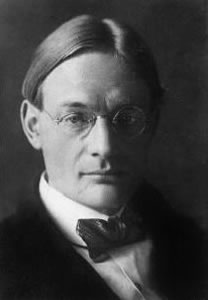
De Amerikaanse dichter en politicus Archibald MacLeish werd geboren op 7 mei 1892 in Glencoe, Illinois. Zie ook alle tags voor Archibald MacLeish op dit blog.


Before March 


THE gull’s image and the gull

Meet upon the water

All day I have thought of her

There is nothing left of that year

(There is sere-grass

Salt colored)

We have annulled it with

Salt

We have galled it clean to the clay with that one autumn

The hedge-rows keep the rubbish and the leaves

There is nothing left of that year in our lives but the leaves of it

As though it had not been at all

As though the love the love and the life altered

Even ourselves are as strangers in these thoughts

Why should I weep for this?

What have I brought her?

Of sorrow of sorrow of sorrow her heart full

The gull

Meets with his image on the winter water.


Broken Promise 


THAT was by the door

Leafy evening in the apple trees

And you would not forget this anymore

And even if you died there would be these

Touchings remembered

and you would return

From any bourne from any shore

To find the evening in these leaves

To find my arms beside this door…

I think O my not now Ophelia

There are not always (like a moon)

Rememberings afterward

(I think there are

Sometimes a few strange stars upon the sky.)


MacLeish

Archibald MacLeish (7 mei 1892 – 20 april 1982)


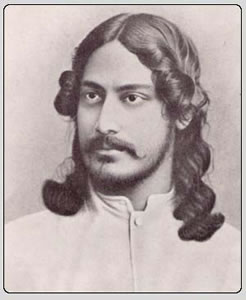
De Bengaalse dichter en schrijver Rabindranath Tagore werd op 7 mei 1861 in Calcutta (tegenwoordig: Kolkata) geboren. Zie ook alle tags voor Rabindranath Tagore op dit blog.


De banden zijn weerspannig


De banden zijn weerspannig,

maar mijn hart doet pijn als ik hen tracht te breken.

Vrijheid is al wat ik begeer,

maar ik schaam mij naar haar uit te zien.

Ik weet zeker dat Gij onschatbare weelde hebt,

dat Gij mijn beste Vriend zijt, en toch heb ik het hart niet

de rommel weg te vagen die mijn kamer vult.

De wade die mij dekt is een wade van stof en dood;

ik haat haar en toch omklem ik haar tederlijk.

Mijn schulden zijn vele, mijn dwalingen groot,

mijn schande is heimelijk en zwaar;

en toch, als ik kom vragen om wat er goed aan mij is,

dan beef ik van vrees dat mijn bede zal worden verhoord.


Baby’s World 


I wish I could take a quiet corner in the heart of my baby’s very

own world.

I know it has stars that talk to him, and a sky that stoops

down to his face to amuse him with its silly clouds and rainbows.

Those who make believe to be dumb, and look as if they never

could move, come creeping to his window with their stories and with

trays crowded with bright toys.

I wish I could travel by the road that crosses baby’s mind,

and out beyond all bounds;

Where messengers run errands for no cause between the kingdoms

of kings of no history;

Where Reason makes kites of her laws and flies them, the Truth

sets Fact free from its fetters.


tagore

Rabindranath Tagore (7 mei 1861 – 7 augustus 1941)


De Poolse dichter en schrijver Stanisław Przybyszewski werd geboren op 7 mei 1868 in Łojewo. Zie ook alle tags voor Stanisław Przybyszewski op dit blog.


Uit: Totenmesse


Einen von den Unbekannten, von den im Dunklen und in Vergessenheit lebenden »Certains« führe ich hier vor.

Er ist Einer von denen, die auf dem Wege hinknicken, wie kranke Blumen, – Einer von dem aristokratischen Geschlechte des neuen Geistes, die an übermäßiger Verfeinerung und allzu üppiger Gehirnentwicklung zu Grunde gehen.

Wie ich in der Serie »Zur Psychologie des Individuums« durchaus keine Kritiken schreiben wollte, sondern einzig und allein die jüngste Evolutionsphase des menschlichen Gehirnes zu untersuchen beabsichtigte, ihre feinen und feinsten Wurzelfasern zu beschreiben, ihre Zusammensetzung zu analysieren, ein Totalitätsbild dessen zu geben, was noch unklar und verschwommen, nichtsdestoweniger immer energischer in den verschiedensten Äußerungen des modernen Lebens sich kundgibt: so auch in dieser Erzählung.

Es sind zumeist nur feine Spuren, die sich bis jetzt verfolgen lassen, zumeist nur Schattenstreifen, die eine Monomanie, eine Psychose in die Zukunft wirft; aber das sind die geknickten Zweige in der finsteren Wildnis, die zur vorläufigen Orientierung genügen.

Man erschrecke nicht vor den Neurosen, die am Ende doch den Weg bezeichnen, den die fortschreitende Entwicklung des menschlichen Geistes einzuschlagen scheint. In der Medizin hat man sich schon längst abgewöhnt, beispielshalber die Neurasthenie als eine Krankheit zu betrachten; sie scheint vielmehr die neueste und absolut notwendige Evolutionsphase zu sein, in der das Gehirn leistungsfähiger und vermöge der weit größeren Empfindlichkeit viel ausgiebiger wird.

Wenn auch die Neurose vorläufig noch tief den Organismus schädigt, so ist das weiter nicht schlimm. Gegen das Gehirn ist die sonstige körperliche Entwicklung zurückgeblieben, aber es dauert nicht lange: der Körper wird sich anpassen, das wunderbare Selbststeuerungsgesetz wird in Funktion treten, und was heute neurasthenisch heißt, wird sich morgen die höchste Gesundheit nennen.“
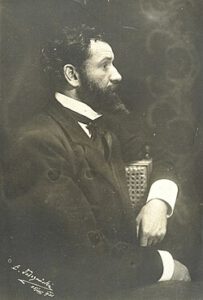


Stanisław Przybyszewski (7 mei 1868 – 23 november 1927)


De Duitse schrijver Karl Gustav Vollmõller werd geboren op 7 mei 1878 in Stuttgart. . Zie ook alle tags voor Karl Gustav Vollmöller op dit blog.


ZWIEGESPRÄCH (Fragment)


I

Ur-Nacht, die alles gebar,
Ur-Ding, das keiner erschaut,
Ur-Nichts, das blinzelnd liegt,

Hinter allem was wird und was war,
Vor dem selbst den Ewigen graut:
Ur-Dummheit, die alles besiegt.

Denkt der Mensch oder wird er gedacht –
Sind wir Stoff, der zu Geist sich versann,
Sind wir Geist, der zu Stoff sich verleibt,
Sind wir Herrn oder Sklaven der Macht,
Die uns peitscht und uns peinigt und treibt

Und uns paart und gepaart uns verlacht,
Weil, was einzeln in Schmerzen begann
Und schmerzlich in Schmerzen zerrann,
So als ewiges Erbe verbleibt,
Schmerz-Erbteil Aller verbleibt…

Ja wer ists der dies Spiel mit uns spielt,
Wo als Preis doch Vernichtung nur winkt:
Ekles Spiel um geliehene Zeit,
Niedres Würfeln um kärgliche Zeit,

Da schon Tod in die Karten uns schielt,
Da schon draußen das Henkerbeil blinkt —
Und die Karten sind alle gezinkt,
Alle Würfel sind falsch und gebleit.


Vollmöller

Karl Gustav Vollmõller (7 mei 1878 – 18 okrober 1948)


De Britse schrijver Alfred Edward Woodley Mason werd geboren op 7 mei 1865 in Londen. Zie ook alle tags voor A. E. W. Mason op dit blog.


Uit: The Four Feathers


„Yes,” said Sutch. “She had imagination. Her thoughts could people them.”

General Feversham glanced at his companion as though he hardly understood. But he asked no questions. What he did not understand he habitually let slip from his mind as not worth comprehension. He spoke at once upon a different topic.

“There will be a leaf out of our table to-night.”

“Yes. Collins, Barberton, and Vaughan went this winter. Well, we are all permanently shelved upon the world’s half-pay list as it is. The obituary column is just the last formality which gazettes us out of the Service altogether,” and Sutch stretched out and eased his crippled leg, which fourteen years ago that day had been crushed and twisted in the fall of a scaling-ladder.

“I am glad that you came before the others,” continued Feversham. “I would like to take your opinion. This day is more to me than the anniversary of our attack upon the Redan. At the very moment when we were standing under arms in the dark — ”

“To the west of the quarries, I remember,” interrupted Sutch, with a deep breath. “How should one forget?”

“At that very moment Harry was born in this house. I thought, therefore, that if you did not object he might join us to-night. He happens to be at home. He will, of course, enter the service, and he might learn something, perhaps, which afterwards will be of use — one never knows.”

“By all means,” said Sutch, with alacrity. For since his visits to General Feversham were limited to the occasion of these anniversary dinners, he had never yet seen Harry Feversham.

Sutch had for many years been puzzled as to the qualities in General Feversham which had attracted Muriel Graham, a woman as remarkable for the refinement of her intellect as for the beauty of her person; and he could never find an explanation. He had to be content with his knowledge that for some mysterious reason she had married this man so much older than herself, and so unlike to her in character. Personal courage and an indomitable self-confidence were the chief, indeed the only qualities which sprang to light in General Feversham. Lieutenant Sutch went back in thought over twenty years as he sat on his garden-chair to a time before he had taken part, as an officer of the Naval Brigade, in that unsuccessful onslaught on the Redan.“


Mason

A. E. W. Mason (7 mei 1865 – 22 november 1948)


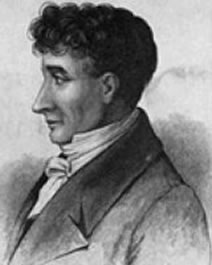
De Franse schrijver en essayist Joseph Joubert werd geboren in Montignac op 7 mei 1754. Zie ook alle tags voor Joseph Joubert op dit blog.


Uit: Le repos dans la lumière


“Été 1783

«Qui m’expliquera (dit Mercier) pourquoi toutes les personnes appliquées spécialement à guérir les plaies, à soigner les maladies et qui vivent avec les êtres souffrants, ont pour les plaisirs des sens un penchant beaucoup plus vif que celui qui anime les autres hommes ?»


Août 1783.

On voit par le bas de leurs jambes qu’elles aimeraient à montrer tout ce qu’elles ont de beau. Et ce plaisir de montrer sa beauté est naturel surtout aux femmes dont les formes sont plus belles que le visage. Etc.


Une fille qui se montre nue aux yeux de son amant ne blesse pourtant en cela la pudeur publique.


1. Un effet infaillible du secret et du mystère est dans ce cas d’inspirer de la retenue même à l’imagination de son amant, si son amant a le coeur délicat.


2. Il ne se dira ni dans ce moment, ni dans les moments qui suivront : «C’est ainsi que les autres sont faites.» Ce serait, en quelque sorte, donner des témoins à des plaisirs dont la solitude augmente le prix, se distraire d’une volupté qui exige le recueillement, et trahir la confiance de sa maîtresse en la traduisant ainsi dans son esprit devant tout son sexe, etc.”


Joubert

Joseph Joubert (7 mei 1754 – 4 mei 1824)


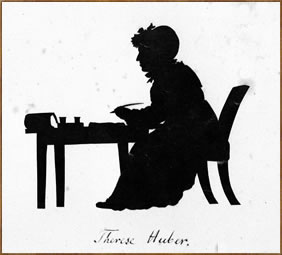
De Duitse schrijfster Therese Huber werd geboren als Marie Therese Heyne op 7 mei 1764 in Göttingen. Zie ook alle tags voor Therese Huber op dit blog.


Uit: Die Familie Seldorf


Im Frühling des Jahres 1784. kam zu Saumür in der ehemaligen Provinz Poitou, ein ältlicher Mann an, der, nach seiner Kleidung zu urtheilen, ein Seeoffizier von ansehnlichem Rang seyn mußte. Er war von seinen Kindern begleitet: einem Sohn und einer Tochter von neun bis dreyzehn Jahren, und einer zweiten Tochter, die noch in der frühesten Kindheit war. Die Kinder trugen tiefe Trauer um ihre vor kurzem verstorbene Mutter, aber weiter konnte die Neugier der Wirthsleute in dem wenig besuchten Gasthofe anfangs nichts erfahren; denn die beiden Bedienten des Fremden, ein junger Bursche aus der Gegend von Saumür selbst, der zufällig ganz kurze Zeit vorher nach Paris gewandert war, um dort Dienste zu suchen, und eine Kinderwärterin, waren nur gerade vor der[2] Abreise des Fremden aus der Hauptstadt von ihm angenommen worden, und wußten wenig mehr von ihrem neuen Herrn, als daß er seinem Namen nach zu urtheilen – er hieß Seldorf – kein geborner Franzos seyn müßte, im amerikanischen Kriege gedient hätte, und mit einem zerschmetterten Arm zurükgekommen wäre. Er äusserte indessen bald, daß er sich einige Zeit in der Stadt aufzuhalten gedächte; und sobald er seinen Kindern, für welche er die gröste Sorgsamkeit zu haben schien, alle Bequemlichkeit
en verschafft hatte, die bei der Beschaffenheit des Hauses zu erlangen waren, erkundigte er sich bei dem Wirth, ob in diesem Strich nicht irgend ein gut gelegenes Landgut, von mässigem Umfang, zu kaufen seyn sollte. Es fand sich, daß dieser durch einen kleinen Weinhandel mit mehrern Herrschaften in Verbindung stand, und Leute in der Stadt kannte, die mit Aufträgen zu dergleichen Geschäften [3] versehen waren. Seldorf nahm auf den folgenden Tag Abrede mit ihm, einige Gänge zu diesen Leuten zu thun, und kehrte hierauf zu seinen Kindern zurük.

Er fand Sara, seine Aelteste, ein sanftes Geschöpf von neun Jahren, neben der Kinderwärterin knieen, und ihr Schwesterchen, das ein heftiges Fieber zu haben schien, liebkosend trösten, indeß der Knabe an einem Fenster stand, und mit grossen ernsten Augen auf die Gruppe blikte.”


Huber

Therese Huber (7 mei 1764 – 15 juni 1829)
Scherenschnitt door Luise Duttenhofer


Zie voor nog meer schrijvers van de 7e mei ook mijn tweede blog van 7 mei 2009

 

Miklós Radnóti, Petra Else Jekel, Morton Rhue, Christopher Morley, George Albert Aurier

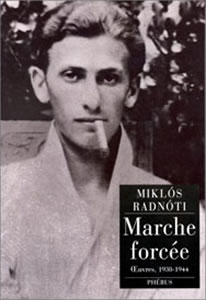
De Hongaarse dichter en schrijver Miklós Radnóti werd geboren op 5 mei 1909 in Boedapest. Zie ook alle tags voor Miklós Radnóti op dit blog.
 

War Diary


3. Weary Afternoon


A dying wasp flies in at the window,

my dreaming wife talks in her sleep,

and the hems of the browning clouds

are blown to fringes by a gentle breeze.


What can I talk about? Winter is coming, and war is coming;

soon I will lie broken, seen by no one;

worm-ridden earth will fill my mouth and eyes

and roots will pierce through my body.


                                  *


Oh, gently rocking afternoon, give me peace—

I will lie down too, and work later.

The light of your sun is already hanging on the hedges,

and yonder the evening comes across the hills.


They have killed a cloud, its blood is falling on the sky;

below, on the stems of the glowing leaves

sit wine-scented yellow berries.


4. Evening Approaches


Across the slick sky the sun is climbing down,

and the evening is coming early along the road.

Its coming is watched in vain by the sharp-eyed moon—

little puffs of mist are gathering.


The hedgerow is wakening, it catches at a weary wanderer;

the evening is spinning among the tree branches

and humming louder and louder, while these lines build up

and lean on one another.


A frightened squirrel springs into my quiet room,

and here a six-footed iambic couplet scampers by.

From the wall to the window, a brown moment—

and it’s gone without a trace.


The fleeting peace disappears with it. Silent

worms crawl over the far fields

and slowly chew to pieces the endless

rows of the reclining dead.


Vertaald door Lucy Helen Boling


radnoti

Miklós Radnóti (5 mei 1909 – 9 november 1944)


De Nederlandse dichteres Petra Else Jekel werd in Arnhem geboren op 5 mei 1980. Zie ook alle tags voor Petra Else Jekel op dit blog.


Meisje


Geen kind heeft mij gevonden nog,

ingevroren geraakt in rots,

mij,

met onontvlamde zwavelstok.


Toch kwam ik thuis op den duur uit

het sneeuwlandschap. Langzaam daalden

de bergen, het land werd een zee,

geen kind waarmee ik verdwaalde

bracht zee levend aan de over

kant. Brandstof was mijn betaalde.


Jekel

Petra Else Jekel (Arnhem, 5 mei 1980)


De Amerikaanse schrijver Morton Rhue (pseudoniem van Todd Strasser) werd geboren op 5 mei 1950 in New York. Zie ook alle tags voor Morton Rhue op dit blog.


Uit: If I Grow Up (als Todd Strasser)


„The shouting and screaming outside started at dinnertime. We were sitting on the living room couch, eating macaroni and cheese, and watching Judge Joe Brown on the TV. Between the banging of the heat pipes and the noise outside, it was one big racket.

“DeShawn, turn up the sound,” Gramma said. I put my tray on the couch and turned up the volume. The TV was old, and no one knew where the clicker was anymore. It was just me and Gramma that night. My big sister, Nia, was out with her boyfriend, LaRue.

Outside the yelling got louder and the police sirens started. Gramma flinched and put down her fork. She shook her gray head wearily, and the skin around her eyes wrinkled. “Noise around here is gonna make me lose my mind.”

I glanced toward the thick green curtains that covered the window. Ever since gangbangers cocktailed the apartment down the hall, Gramma had kept the curtains closed all the time.

“Don’t go near that window,” she warned. “They could start shootin’.”

The curtains already had two bullet holes the size of bottle caps. There were bullet holes in the walls, too. Gramma had put a picture over one of them, and another was blocked by our little Christmas tree decorated with tinsel and candy canes. We would have been safer living on a high floor, but the elevators were always broken and it was hard for Gramma to climb the stairs after cleaning houses all day. In the projects, the older you got, the closer to the ground you wanted to live.“


Rhue_web

Morton Rhue/Todd Strasser (New York, 5 mei 1950)


De Amerikaanse dichter, schrijver en journalist Christopher Morley werd geboren op 5 mei1890 in Haverford, Pennsylvania. Zie ook alle tags voor Christopher Morley op dit blog.


The Passionate Shepherd To His Love


Come live with me, and be my love,

And we will all the pleasures prove,

That hills and valleys, dales and fields,

And all the craggy mountain yields.

There we will sit upon the rocks,

And see the shepherds feed their flocks

By shallow rivers, to whose falls

Melodious birds sing madrigals.


And I will make thee beds of roses,

With a thousand fragrant posies,

A cap of flowers and a kirtle

Embroidered all with leaves of myrtle;


A gown made of the finest wool,

Which from our pretty lambs we pull;

Fair lined slippers for the cold,

With buckles of the purest gold;


A belt of straw and ivy buds,

With coral clasps and amber studs;

And if these pleasures may thee move,

Come live with me, and be my love.

The shepherd swains shall dance and sing

For thy delight each May morning:

If these delights thy mind may move,

Then live with me, and be my love.


Animal Crackers 


Animal crackers and cocoa to drink,

That is the finest of suppers I think;

When I’m grown up and can have what I please

I think I shall always insist upon these.

What do YOU choose when you’re offered a treat?

When Mother says, ‘What would you like best to eat?’

Is it waffles and syrup, or cinnamon toast?

It’s cocoa and animals that I love most!


The kitchen’s the cosiest place that I know;

The kettle is singing, the stove is aglow,

And there in the twilight, how jolly to see

The cocoa and animals waiting for me.


Daddy and Mother dine later in state,

With Mary to cook for them, Susan to wait;

But they don’t have nearly as much fun as I

Who eat in the kitchen with Nurse standing by;

And Daddy once said, he would like to be me

Having cocoa and animals once more for tea.


ChristopherMorley

Christopher Morley (5 mei 1890 – 28 maart 1957)


De Franse dichter, schilder en criticus George Albert Aurier werd geboren op 5 mei 1865 in Châteauroux. Zie ook alle tags voor George Albert Aurier op dit blog.


Uit: The Isolated Ones: Vincent van Gogh (Les Isolés : Vincent van Gogh )


“Beneath skies that sometimes dazzle like faceted sapphires or turquoises., that sometimes are molded of infernal, hot, noxious, and blinding sulfurs; beneath skies like streams of molten metals and crystals, which, at times, expose radiating, torrid solar disks; beneath the incessant and formidable streaming of every conceivable effect of light, in heavy, flaming, burning atmospheres that seem to be exhaled from fantastic furnaces where gold and diamonds and similar gems are volatilized–there is the disquieting and disturbing display of a strange nature, that is at once entirely realistic, and yet almost supernatural, of an excessive nature where everything–beings and things, shadows and lights, forms and colours–rears and rises up with a raging will to howl its own essential song in the most intense and fiercely high-pitched timbre: Trees, twisted like giants in battle, proclaiming with the gestures of their gnarled menacing arms and with the tragic waving of their green manes their indomitable power, the pride of their musculature, their blood-hot sap, their eternal defiance of hurricane, lightning and malevolent Nature; cypresses that expose their nightmarish, flamelike, black silhouettes, mountains that arch their backs like mammoths or rhinoceri; white and pink and golden orchards, like the idealizing dreams of virgins; squatting, passionately contorted houses, in a like manner to beings who exult, who suffer, who think; stones, terrains, bushes, grassy fields, gardens, and rivers that seem sculpted out of unknown minerals, polished, glimmering, iridescent, enchanting, flaming landscapes, like the effervescence of multicoloured enamels in some alchemist’s diabolical crucible; foliage that seems of ancient bronze, of new copper, of spun glass; flowerbeds that appear less like flowers than opulent jewelry fashioned from rubies, agates, onyx, emeralds, corundums, chrysoberyls, amethysts, and chalcedonies; it is the universal, mad and blinding coruscation of things; it is matter and all of Nature frenetically contorted . . . raised to the heights of exacerbation; it is form, becoming nightmare; colour, becoming flame, lava and precious stone; light turning into conflagration; life, into burning fever.”


Aurier

George Albert Aurier (5 mei 1865 – 5 oktober 1892)


Zie voor nog meer schrijvers van de 5e mei ook
mijn vorige blog van vandaag.


Henryk Sienkiewicz, Richard Watson Dixon, Christian Friedrich Scherenberg, Wouter Steyaert, Catullus

De Poolse schrijver en journalist Henryk Sienkiewicz werd geboren in Wola Okrzejska op 5 mei 1846. Zie ook alle tags voor Henryk Sienkiewicz op dit blog.


Uit: Sintflut


“Sie war ein hübsches Mädchen, mit edlen Gesichtszügen, mit dichtem, flachsblondem Haar und blauen Augen, die ernst unter den schwarzen Brauen hervorsahen. Das schwarze Trauerkleid gab ihr ein etwas düsteres Aussehen. Sie war ganz in Gedanken versunken und sann über ihre eigene, so unklare Zukunft.

Das Testament des Großvaters bestimmte ihr, der Zwanzigjährigen, einen Menschen zum Manne, den sie seit mehr als zehn Jahren nicht gesehen hatte. Aus ihren Kindheitstagen hatte sie nur eine sehr unklare Erinnerung von einem halbwüchsigen Hitzkopf, der während des Aufenthalts mit seinem Vater in Wodokty sich mehr mit der Büchse in den Sümpfen herumtrieb, als im Hause war.

»Wo kann er jetzt sein? und wie mag er aussehen?« dachte sie unaufhörlich.

Aus den Erzählungen des Großvaters wußte sie, daß er ein sehr tapferer Ritter war, von sehr heißem Geblüt. Wäre nicht der Krieg gewesen, so hätte er sich schon längst der Braut vorgestellt. Vielleicht sehnte sie sich nach dem unbekannten Bräutigam. In ihrem reinen, von keiner Leidenschaft berührten Herzen wohnte ein tiefes Bedürfnis nach Liebe. Ein Funken würde genügen, um auf diesem Herde ein Feuer zu entflammen, – ein ruhiges, gleichmäßiges, unauslöschliches Feuer.

Oft ergriff sie eine Unruhe, die ihre Seele bald mit süßen Träumereien erfüllte, bald mit schweren Fragen peinigte, auf die sie keine bestimmte Antwort fand. – Wird er mich aus freiem Willen ehelichen? Wird er meine Zuneigung erwiedern? Wird er mich liebgewinnen? – Und eine Gedankenfülle bestürmte sie, wie ein Zug Vögel, der sich auf einen einsam in öder Steppe stehenden Baum niederläßt. – Wer bist du? Wie bist du? Lebst du noch irgendwo in der weiten Welt, oder bist du auf dem Schlachtfelde gefallen? Bist du fern oder nahe? – Das offene Herz der Panna, einem Tore gleich, das zum Einzug lieber Gäste weit offen gehalten wird, rief unwillkürlich den fernen Ländern, den schneebedeckten Wäldern und Feldern zu: »Komm, Ritter! komm! Gibt es etwas Schwereres in der ganzen Welt als die Erwartung!«


HenrykSienkiewicz

Henryk Sienkiewicz (5 mei 1846 – 15 november 1916)
Standbeeld in Vevey, Zwitserland


De Engelse dichter Richard Watson Dixon werd geboren in Islington op 5 mei 1833. Zie ook alle tags voor Richard Watson Dixon op dit blog.


The Judgement of the May


COME to the judgement, golden threads

upon golden hair in rich array;

Many a chestnut shakes its heads,

Many a lupine at this day,

Many a white rose in our beds

Waits the judgement of the May.


Oh, like white roses, great white queen,

Come to the judgement, come to-day.

The white stars on thy robes of green

Are like white roses on trees in May:

By me thy stars and flowers are seen,

But now thou seemest far away.


Dixon

Richard Watson Dixon (5 mei 1833 – 23 januari 1900)


De Duitse dichter Christian Friedrich Scherenberg werd geboren op 5 mei 1798 in Stettin. Zie ook alle tags voor Christian Friedrich Scherenberg op dit blog.


Der verlorne Sohn

Und nun ade, mein Sohn, nun tue gut

Und mach deinem Vater kein Herzeleid.

Und nun ade, mein Leben, mein Blut!

Gedenk deiner Mutter auch alle Zeit!

Gedenk deiner Eltern zu Land uns See;

Du bist unsere Freude, du bist unser Weh!

Herzvater, Herzmutter, mein schönstes Ade!

Gedenk woh Eurer zu Land und See

Gedenk auch Eurer zu aller Zeit.

Dein Herz ist willig und glatt dein Gesicht!

Mein Sohn! mein Sohn, nimm dich in acht,

Wenn die bösen Buben locken-

Ich folge nicht!

Das hat schon mancher gesagt. –


In der Nacht, in der Nacht, der klingenden Nacht,

Wo´s grinst und stiert und grimmt und giert

Und bleich und stumm,

Als ginge der Tod im Saale um –

Zum Tisch – zum Tisch – zum grünen Tisch!

Wo´s locket und rollt,

Das glitzernde Silber, das glühende Gold!

Ich war kaum Vogel, nun bin ich Fisch!

Verjubelt die Glut, ist kalt mein Blut.

Mein Sang ist der Klang,

Mein Lieb ist das Gold,

V banque!

Juchhei!

Die Taschen sind voll! Noch mehr, noch mehr!

Gewagt, gewonnen!

Es steht!

La bete!

Vorbei!

Gewonnen, zerronnen!

Die Taschen sind leer! – Und sind sie leer –

Herzvater, Herzmutter, sie schicken mehr.

Sie sparen und scharren und kratzen zu Haus,

Und weinen zu ihrem Vergnügen.

Ich nehme die Gelder zum Briefe heraus

Und lasse die Tränen drin, lieben

Juchei!

Der eine erwirbt, der andre verdirbt,

Und jeder dran stirbt.

Vorbei!

Im Sturme, im Sturme wird´s durchgebracht

Das Herz, das Leben, die Liebe!

Wir leben geschwinde wir Herren der Nacht,

Wir Schwelger, wir Spieler, wir – Diebe.


Ich bin gefahren zu Land zu See,

Aus ist mein Spiel und Tanz – Ade!

Die Eltern sind verdorben,

An ihrem Sohn verstorben

Und Krezu und Grad darüber,

Und alles ist hinüber!

Verwüstet mein Leib, verstürmt mein Sinn,

Nichts drinnen nichts draußen; wo soll ich hin?

O wie mich´s gereut! o wie mich´s gereut!

Ich habe verlungert die ganze Zeit

Und nichts errungen als Herzeleid,

Ich hab nicht gelebt – sie soll ich sterben?

Am Wege, am Wege muß ich verderben.


Christian_Friedrich_Scherenberg
Christian Friedrich Scherenberg (5 mei 1798 – 9 september 1881)


Onafhankelijk van geboortedata:


De Vlaamse dichter Wouter Steyaert werd geboren in Gent in het jaar 1982. Zie ook alle tags voor Wouter Steyaert op dit blog.


Laat mij maar liggen bovengronds

Laat mij maar liggen bovengronds
afgescheiden van lof en ironie
geweerd van de speen
waarover we het laken heen en weer trokken.

Ik stel het wel in mijn houten huis
zo ver en even dicht bij u.

Laat mij maar liggen bovengronds
wachtend op een licht, een toehappend inzicht
laat mij de rug keren van al wie heeft getracht.

Ik heb u goed begrepen
en werd al zoveel bemind.


passen, passen hangen aan het plafond

passen, passen hangen aan het plafond
niet eens zo hoog, passen
en natte passen hangen hoog

stil op het plafond staan zolen
rubberlaarzen en schoenen van katoen, stil
te staan als spijkers in het bot

ogen, ogen liever rood of droog te zien
in plassen van katoen, ogen liever groot
te staren naar de maar die niet komt

lichter dan het hoofd zijn de voeten
verborgen in stille plassen, lichter
dan verborgen voeten is het hoofd van katoen

passen, passen hangen niet eens zo
hoog aan het plafond, niet
eens aan het plafond


wouter_steyaert

Wouter Steyaert (Gent, 1982)
(foto: Sander Uitdehaag)


De Romeinse dichter Gaius Valerius Catullus werd geboren in 87 v. Chr, in Sirmione bij Verona Zie ook alle tags voor Catullus op dit blog.


Verrukking


Leven en liefhebben, Lesbia mijn!
Laat al die praatjes van deftige heren
niets méér voor ons dan een rookwolkje zijn!

Zonnen gaan onder om weder te keren;
maar
als òns daglicht is ondergegaan,
zal ons het eeuwige duister verteren.

Kus mij dus duizendmaal – spoedig gedaan -,
honderdmaal, duizendmaal, – tel je ze alle?
telkens opnieuw weer van voren af aan!

Duizelen moet het van al die getallen
waarvan geen tellen ons kussen meer stoort
noch menig nijdas bewerkt tot vergallen
als hij van zoveel tienduizenden hoort.


Naar huis terug!


Ik ruik de lauwe lentelucht.
De Maartse buien zijn gevlucht
voor ’t zachte zefirsuizen.
Nu mag ik uit dit ballingsland,
waar ’s zomers ’t zonlicht zengt en brandt,
naar blijder kust verhuizen.

Een reislust zonder rust of duur
doortrilt mij met verjongend vuur.
Vaartwel, mijn beste vrinden!
Te zamen gingen wij op reis;
nu zal elk op zijn eigen wijs
den weg naar huis wel vinden.


 Vertaald door A. Rutgers van der Loeff


Catullus

Catullus (87 v. Chr – 54 v. Chr.)


Hans Werner Kolben

De Tsjechische (Duitstalige) dichter en schrijver Hans Werner Kolben werd geboren op 5 Mei 1922 in Aussig an der Elbe. Hij stamde uit een beroemde Boheemse industriële familie: Het familiebedrijf was een van de paradepaardjes van de Tsjechoslowaakse industrie. Hans Werner groeide op in de onbezorgde grootburgerlijke omstandigheden van een geassimileerd protestants Joods gezin en in een Praags – Duitse culturele omgeving. Zijn passie voor klassieke muziek en literatuur kon hij als regelmatige opera en theater-ganger in zijn jeugd vrij uitleven. Na de Duitse inval op 15 Maart 1939 veranderde het leven van de familie drastisch. In die tijd sympathiseerde Kolben met de communisten. Tijdens de bezetting dichtte hij passages van de Marseillaise na en schreef hij satirische rijmpjes als variant op nazi-formules. Begin 1942 werd hij gearresteerd als gevolg van verraad door een vroegere klasgenoot die banden had met de SS wegens het niet dragen van de gele Davidster en op 10 augustus gedeporteerd naar Theresienstadt. Daar waren zijn broer en andere familieleden, waaronder zijn moeder, ook heen gebracht. Zijn moeder overleefde omdat ze als bacteriologe als onmisbaar werd beschouwd. Kolben, die al met schrijven was begonnen in Praag, zette dit in Theresienstadt voort en uit zijn smalle werk kon zijn moeder een aantal gedichten redden. Kolben werd op  28 September 1944 naar Auschwitz gedeporteerd. In februari 1945 overleed hij in het concentratiekamp Kaufering/Oberbayern, een dependance van Dachau, aan tyfus.

Gespräch im Walde 

Frage: Du alter Mann, ich weiß, Du warst schon hier
Als Deine Haare noch ganz dunkel waren,
Und immer suchst Du, wie vor vielen Jahren
Was denn? Ist dieser Wald noch nicht in Dir?
Das Tal spielt Dir doch stets das Gleiche vor,
Hier einen Strahl, dort einen Nebelreigen,
Ein Vogel ruft ganz schwach von fernsten Zweigen
Und dauernd ragen Säulen schwarz empor.

Antwort: Das Unsagbare hab ich einst besessen,
Als Kind vielleicht in meiner frühsten Zeit,
Vielleicht noch früher in der Ewigkeit;
Im Wind der Jahre hab ich es vergessen.

 Nun such ich wieder tastend zu erfahren,
Was diese Bäume zu einander sagen.
Ich fühl, der Wald muß das Geheimnis tragen.
Vielleicht wird er mir’s einmal offenbaren.

Hans Werner Kolben (5 mei 1922 – februari 1945)


Amos Oz, Christiaan Weijts, Monika van Paemel, Graham Swift, David Guterson, Werner Fritsch, Jan Mulder, Olia Lialina

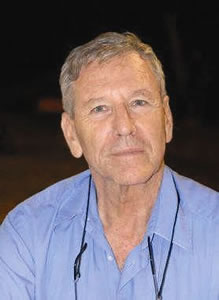
De Israëlische schrijver Amos Oz, (eig. Amos Klausner) werd geboren in Jeruzalem op 4 mei 1939. Zie ook alle tags voor Amos Oz op dit blog.


Uit: Een verhaal van liefde en duisternis (Vertaald door Hilde Pach)


Ik ben geboren en opgegroeid in een heel kleine woning op de begane grond, van zo’n dertig vierkante meter, met een laag plafond. Mijn ouders sliepen op een slaapbank die ’s avonds als hij uitgeschoven werd, de kamer bijna van wand tot wand besloeg. Vroeg in de ochtend duwden ze de bank diep weg in zichzelf, verborgen het beddengoed in het duister van de kist eronder, draaiden de matras om, sloten de zaak af, spreidden over het geheel een lichtgrijs kleed uit, legden er hier en daar een paar geborduurde oosterse kussentjes op, en zorgden daarmee dat elk teken van hun nachtelijke slaap verdwenen was. Zo diende de kamer hun niet alleen tot slaapkamer, maar ook tot werkkamer, bibliotheek, eetkamer en ook nog eens tot zitkamer.

Tegenover deze kamer was mijn kamertje, groenig van kleur, waarvan de helft in beslag genomen werd door een dikbuikige kleerkast. Een lange, nauwe, duistere, enigszins kronkelige gang, net een tunnel waardoor boeven uit de gevangenis ontsnappen, verbond het keukentje en de wc met de twee kamertjes. Een zwakke gloeilamp, gevangen in een ijzeren kooi, wierp over deze gang ook overdag een troebel licht dat die naam nauwelijks verdiende. Aan de voorkant hadden beide kamers slechts één raam, allebei beschermd door ijzeren tralies, allebei ingespannen met hun luiken knipperend om een blik op het oosten te werpen, maar wat ze zagen was niet meer dan een stoffige cipres en een muur van ruwe natuursteen. Door een getralied bovenlicht gluurden onze keuken en wc naar een kleine gevangenisluchtplaats, omgeven door hoge muren en geplaveid met beton, een binnenplaats waar een bleke geranium in een roestig olijvenblik door gebrek aan zonlicht stond weg te kwijnen. Op de vensterbanken van de raampjes stonden altijd weckpotten met ingelegde augurken, en verder een cactus die een zwaar leven had en zich had ingegraven in de aarde van een gebarsten vaas die nu dienstdeed als bloempot.”


AmosOz

Amos Oz (Jeruzalem, 4 mei 1939)


De Nederlandse schrijver Christiaan Weijts werd geboren in Leiden op 4 mei 1976. Zie ook alle tags voor Christiaan Weijts op dit blog.


Uit: De etaleur


‘Hebben ze je vrijgelaten?’ vraagt hij. In het parterrerestaurantheeft hij een kop thee voor haar ge-maakt. Zelf schenkt hij een glas vruchtensap in, die hij in een teug achteroverslaat. Blijkbaar heeft hij al eentijdlang ongemerkt ontiegelijke dorst gehad. ‘Heb je een proces gehad? Ben je veroordeeld? Vrijgesproken?’‘Ik heb gezwegen.’‘Gezwegen? En toen?’‘Toen hebben ze me laten gaan. Gebrek aan bewijs.’Door het raam scheren d elichten van een passerende vrachtauto. Victor loopt naar de bar om zichzelf bij te schenken uit de glazen kan met sap. Het parterrerestaurant is zijn eigen keuken. De meubelafdeling beschouwt hij als zijn woonkamer, de boekenafdeling zijn privé-bibliotheek, enzovoorts. Hij heeft de ExtraLarge-variant van een huis. Je kunt zelfs stellen dat hij alle mogelijke huizen tegelijk bewoont. Hij is daar al zo aan gewend dat hij vreest voor het moment dat de etalages af zijn, zijn opdracht volbracht is en hij terug de gewone wereld in moet.‘Sinds wanneer ben je al te-rug?’ vraagt hij, als hij weer tegenoverhaar zit en zijn stoel aanschuift.‘Uit de gevangenis? Of hier in de stad?’‘Allebei. Vertel me alles Vita.’Hij buigt zich naar haar toe, wil haar handen vastgrijpen, maar legt uiteindelijk zijn onderarmen vlak op tafel neer.Vita staart hem onderzoekend aan en vraagt wat ze de hele tijd al heeft willen vragen: ‘Zou je die hoeden niet eens afzetten?”


Weijts

Christiaan Weijts (Leiden, 4 mei 1976)


De Vlaamse schrijfster Monika van Paemel werd geboren op 4 mei 1945 in Poesele in Oost-Vlaanderen. Zie ook alle tags Monika van Paemel op dit blog.


Uit: De vermaledijde vaders

“Hij steekt zo gunstig af bij de moeder, die vader, dat we met hem leren ons voor haar te schamen. Vrouwen zijn goed voor de ergernis en de minachting. Vrouwen zijn goed voor de afkeer van de eigen geilheid. Vrouwen zijn dom. Heel slim worden we attent gemaakt op moeders dwaasheid. Haar liegen. Haar luiheid (…) En als we hem nodig hebben, als het erop aan komt, hebben we geen vader meer. Gelukkig. Want in werkelijkheid maakt hij ons bang. We kunnen geen zoon worden, en geen vrouw om hem te behagen. En we weten dat hij dat niet zal pikken. In het diepste van zijn gedachten heeft hij ons gemaakt, een mislukking die hij zichzelf niet kan vergeven. We lijken op zijn moeder, waar hij niet onderuit komt. Arme vader.”

(…)


“Toch ben ik nog lang bereid die man te verdedigen, ook al heeft hij ongelijk. Want al heb ik geen moeder, dan wil ik wel een vader hebben. En omdat ik niet aanwijsbaar uit hem ben voortgekomen, is het een verhouding waarvan ik me voorstel dat ik er een eigen inbreng in heb.”


monica_paemel

Monika van Paemel (Poesele, 4 mei 1945)


Zie voor de drie bovenstaande schrijvers ook mijn blog van 4 mei 2007 en ook mijn blog van 4 mei 2008 en ook mijn blog van 4 mei 2009.


De Engelse schrijver Graham Swift werd geboren op 4 mei 1949 in Londen.


Uit: Making an Elephant


“The death of a father is, in most cases, an inevitable passage of life. If you’re a novelist, however open-mindedly or unwittingly you start out, you know that certain big personal events must one day be accommodated into your work. There will, for example, be the novel you write after your father’s death. It won’t be about his death or even about him, but it can’t help but be informed by his death.

He had a battery of first names: Lionel Allan Stanley. Fortunately, he liked to be known as Allan or simply Al. I never heard the word Lionel pass his lips. He was born in London in the early 1920s and brought up in Lower Sydenham, SE26, in a street optimistically called Fairlawn Park. I’d never been there, but after he died I went, on a sort of a pilgrimage, to see where he’d come from. A little, squat, terraced house, like thousands of others, but distinguished by its standing at an odd slight angle to the house next door and by the fact that, though occupied, it was spectacularly neglected. The tiny front garden was a seethe of creeping ivy, and seated on or sinking, rather, into the vegetation were two immobilized, rusting cars. They filled the cramped space between front window and street. The ivy had taken hold and was creeping up into the wheel arches.

I was strangely relieved — elated even — by this conspicuous dereliction. The place wasn’t just ordinary and anonymous. It was singled out, even by that crooked angle, from its unremarkable neighbours, and that ivy and wreckage (I’ll never know the story) were like some mock-portentous, tongue-in-cheek acknowledgement of mortality and the grave.”


Graham-Swift

Graham Swift (Londen, 4 mei 1949)


 De Amerikaanse schrijver David Guterson werd geboren op 4 mei 1956 in Seattle.


Uit: Snow Falling on Cedars


„At the intersection of Center Valley Road and South Beach Drive Ishmael spied, ahead of him in the bend, a car that had failed to negotiate the grade as it coiled around a grove of snow-hung cedars. Ishmael recognized it as the Willys station wagon that belonged to Fujiko and Hisao Imada; in fact, Hisao was working with a shovel at its rear right wheel, which had dropped into the roadside drainage ditch.
Hisao Imada was small enough most of the time, but he looked even smaller bundled up in his winter clothes, his hat pulled low and his scarf across his chin so that only his mouth, nose, and eyes showed. Ishmael knew he would not ask for help, in part because San Piedro people never did, in part because such was his character. Ishmael decided to park at the bottom of the grade beside Gordon Ostrom’s mailbox and walk the fifty yards up South Beach Drive, keeping his DeSoto well out of the road while he convinced Hisao Imada to accept a ride from him.
Ishmael had known Hisao a long time. When he was eight years old he’d seen the Japanese man trudging along behind his swaybacked white plow horse: a Japanese man who carried a machete at his belt in order to cut down vine maples. His family lived in two canvas tents while they cleared their newly purchased property. They drew water from a feeder creek and warmed themselves at a slash pile kept burning by his children–girls in rubber boots, including Hatsue–who dragged branches and brought armfuls of brush to it. Hisao was lean and tough and worked methodically, never altering his pace. He wore a shoulder strap T-shirt, and this, coupled with the sharp-honed weapon at his belt, put Is
hmael in mind of the pirates he’d read about in illustrated books his father had brought him from the Amity Harbor Public Library. But all of this was more than twenty years ago now, so that as he approached Hisao Imada in the South Beach Drive, Ishmael saw the man in another light: hapless, small in the storm, numb with the cold and ineffective with his shovel while the trees threatened to come down around him.“


guterson

David Guterson (Seattle, 4 mei 1956)


De Duitse schrijver Werner Fritsch werd op 4 mei 1960 in Waldsassen geboren.


Uit: Das sind die Gewitter in der Natur


In der Basilika von Waldsassen. Vor einem Seitenaltar.

In Brokat gekleidete Totengerippe hinter Glasschreinen.

Hier in der Kirche bin ich zur Kommunion gekommen.

Zur Firmung gekommen. Und da sind überall früher. Vor ein paar tausend Jahren, wie sie das Kloster so gebaut gehabt haben. Sind die Römer gekommen. Haben die Heiligen all umgebracht. Da hinunter in die Gruft sind die Heiligen begraben worden. Und sind da noch sehr viele Geliebte da oder Gerippe?

Gelübde da.

Haben sie sich versteckt drunten. Dann haben sie sie überall verfolgt. Und heroben überall. Wo sie sie haben haben können, haben sie die Toten überall. Die Heiligen all umgebracht.

 Aufschwenk ins Astgewirr einer winterkalten Eiche.

 Mein Vater stammt von Hundsbach ab.

Und da haben sie ein kleines Anwesen gehabt, wo er raus ist. Aber die sind wieder weitschichtig gewesen. Das kann in Asch auch gewesen sein. Und da ist ein alter Vater gewesen. Der war früher einmal auf der Regierung.

Die andere Generation schon. Das hat der durchgesetzt, daß es erlaubt worden ist. Was ich gehört hab allemal. Ich weiß auch nicht. Oder weiß ichs?

Daß das Volk nicht ausstirbt. Daß sie Kinder erzeugen dürfen. Das ist da nicht erlaubt gewesen. Hat er gesagt gehabt, er geht jetzt. Und ist gegangen und ist nimmer kommen.”


Fritsch

Werner Fritsch (Waldsassen 4, mei 1960)


Zie voor de drie bovenstaande schrijvers ook mijn blog van 4 mei 2008 en ook mijn blog van 4 mei 2009.


De Nederlandse columnist, schrijver, ex-voetballer, en televisiepersoonlijkheid Jan Mulder werd geboren in Bellingwolde op 4 mei 1945. Jan Mulder viert vandaag zijn 65e verjaardag.  Zie ook mijn blog van 4 mei 2009.


Uit: Gastcolumn (Persmuseum)


Ja, ze hebben je het goed verteld: ik ben een zure columnist van een progressief dagblad, ik geef het toe ik ben in principe niet voor de monarchie maar voor de democratie, maar nu jij er bent, twijfel ik weer aan alles’. Zo sprak ik wel eens in mijn gedachten tegen haar, zij die ons bestaan zo ingrijpend heeft veranderd. En wanneer prins Willem-Alexander komt, is het niet ondenkbaar dat hij Máxima meeneemt, waar of niet, Willem? Waar ís ze?
Inburgeren is een lelijk woord, maar met Máxima is het opeens feest. Inburgeren! Vrolijk klinkt het door stad en land. De zon staat hoog aan de hemel, de vensters en deuren gaan open, de mensen hebben er weer zin in nadat ze zo lang hebben gewacht: het is weer Máxima, de jaarlijkse inburgertijd! De roemers zijn vol en de korenschoven rijp, straks gaan we dansen en openen we het inburgerseizoen met vuurwerk, siersmeden en een optreden van een groep confronterende columnisten op een plein. Alles wat ik van Máxima dacht, is waar. Ik heb haar zojuist de hand gedrukt. Hartveroverende vrouw. Zij toonde zich dan ook spontaan bereid om samen met mij een confronterende dialoog uit te spreken over de pers en de bijdrage die het Persmuseum aan onze samenleving kan leveren, dit als extra verrassing bij de zo reeds feestelijke opening. U moet weten dat een columnist niet per se de waarheid schrijft en dat ik deze column geschreven heb in de veronderstelling dat Máxima hier níet zou zijn. Dat zij er plotseling wél is maakt het allemaal wat ingewikkelder. Aan de ene kant raakt mijn confronterende column kant noch wal meer, aan de andere kant ben ik dolgelukkig dat Máxima er is. U begrijpt dat ik dit heb opgeschreven voor het geval zij inderdaad met Willem-Alexander zou meekomen. Gelukkig, zij is er niet. Ik bedoel dit goed, koninklijke hoogheid. Veel liever had ik Máxima gezien natuurlijk, laten we het maar bekennen: een columnist is geen haar beter dan de gemiddelde Gelderlander.”


Jan_Mulder

Jan Mulder (Bellingwolde, 4 mei 1945)


De Russische netkunstenares Olia Lialina werd geboren op 4 mei 1971 in Moskou. Zie ook mijn blog van 4 mei 2007 en ook mijn blog van 4 mei 2009.


Ga naar http://www.c3.hu/collection/agatha  


Of naar: http://art.teleportacia.org  


OliaLialina

Olia Lialina (Moskou, 4 mei 1971)


Zie voor nog meer schrijvers van de 4e mei ook mijn vorige blog van vandaag.


Ishita Bhaduri, Gerlind Reinshagen, Jacques Lanzmann, Maxence Van der Meersch, Wilhelm Lehmann

De Indiase dichteres Ishita Bhaduri werd geboren op 4 mei 1961 in Kolkata in West-Bengalen. Zie ook alle tags voor Ishita Bhaduri op dit blog.


Why This Rainfall of Letters!


That watercoloured dream
trampled by feet and lost forever,
Why flash on its face the light of letters?
That moon covered by ash-grey clouds,
Why a blue veil for it now?
That yellow velvety flower, already blown away,
Why should it now get drenched
in the rainfall of letters?
That river, distanced from its shores,
What more can a nor’wester give her now?
The morning, that walked into the hazy fog,
Can it be woken up by the sound of dewdrops?


Vertaald door Soma Roy


The Endless Night

On the thirty-six inches bed
You take six
And give me the rest,
Can I take so much space?
So much anger? Such void?
Can I? Can I?
# #
On a thirty-six inches bed
If you occupy only six inches
How will I survive
This endless night?
The dust storm of Chaitra?


Vertaald door Boudhayan Mukhopadhyay

Bhaduri

Ishita Bhaduri (Kolkata 4 mei, 1961)


De Duitse schrijfster Gerlind Reinshagen werd geboren op 4 mei 1926 in Königsberg. Zie ook alle tags voor Gerlind Reinshagen op dit blog.


Uit: Rovinato oder Die Seele des Geschäfts


“Die Ruschigk ist eine, die ein Privatleben hat.

Zwar behaupten das viele von sich, Bilder werden herumgezeigt: Kinder auf Rutschbahnen, junge Männer bei der Silvesterfeier mit Glas in der Hand, eine Locke forsch, wie unabsichtlich, in der Stirn, Frauen mit Säuglingen vor der Brust, die älteren Männer im guten Anzug, geradezu und aufrecht in die Linse blickend; aber glauben, nein, glauben tut man es ihnen allen miteinander doch nicht so recht. Man sieht, was spät am Abend und am Wochenende sich zuhaus ereignet, doch eher als Marginalie, als unwesentliches Nachspiel an; zu tief, zu fest ist jeder einzelne in das Leben des Geschäfts verwachsen, in die Beziehungen zu den Kollegen, so vielfach dahinein verschlungen, als daß ihm noch Luft bliebe für das Private, als daß er da noch groß investieren könnte.

Nur die Ruschigk, die macht sich für beides stark. Der nimmt man es ab. Die schafft das Private und das Geschäft und noch so einiges andere dazu. Also, könnte man sagen, daß die Ruschigk ihr häusliches Leben auf das Glücklichste mit dem Geschäftlichen verbunden hat, oder anders vielleicht: ihr Privates bricht sich sozusagen im Geschäftlichen, oder noch anders: es brandet, es brummt im Geschäftlichen auf; das Geschäft ist sozusagen Ruschigks Ufer, an dem die Fluten zum Stillstand kommen.

Das Ruschigksche Privatleben taucht unvermutet auf, steht plötzlich kurz vor Feierabend in der Tür, schreibt sogar Briefe ab und an; fast jeder männliche Beschäftigte kriegt irgendwann einmal damit zu tun.

Die Ruschigksche Ehe spielt sich nicht ab im Bett, nicht am Couchtisch, nicht vor dem Fernsehschirm, wie es bei anderen Paaren der Fall ist. Sie gewinnt Leben und Hitze auf dem kurzen Stück Weg zwischen Glastür und Park, (durch den die Ruschigk dann nach Hause geht), wo für gewöhnlich auf der ersten Bank mit freiem Blick zu unserem Geschäftshaus hin, Herr Ruschigk, ein Finanzbeamter, sitzt und lauert. Ihr auflauert, meinen einige, aber so einfach ist die Sache nicht.“


reinshagen

Gerlind Reinshagen (Königsberg, 4 mei 1926)


De Franse schrijver, journalist en tekstschrijver Jacques Lanzmann werd geboren op 4 mei 1927 in Bois-Colombes. Zie ook alle tags voor Jacques Lanzmann op dit blog.


Paris s’éveille

Je suis le dauphin de la place Dauphine
Et la place Blanche a mauvais’ mine
Les camions sont pleins de lait
Les balayeurs sont pleins d’balais


Il est 5 heures, Paris s’éveille, Paris s’éveille


Les travestis vont se raser
Les strip-teaseuses sont rhabillées
Les traversins sont écrasés
Les amoureux sont fatigués


Le café est dans les tasses
Les cafés nettoient leurs glaces
Et sur le boulevard Montparnasse
La gare n’est plus qu’une carcasse


Les banlieusards sont dans les gares
À la Villette on tranche le lard
Paris by night regagne les cars
Les boulangers font des bâtards


La Tour Eiffel a froid aux pieds
L’Arc de Triomphe est ranimé
Et l’Obélisque est bien dressé
Entre la nuit et la journée


Les journaux sont imprimés
Les ouvriers sont déprimés
Les gens se lèvent ils sont brimés
C’est l’heure où je vais me coucher


Il est 5 heures Paris se lève
Il est 5 heures je n’ai pas sommeil


Lanzmann

Jacques Lanzmann (4 mei 1927 – 21 juni 2006)


De Franse schrijver van Vlaamse afkomst Maxence Van der Meersch werd geboren op 4 mei 1907 in Roubaix. Zie ook alle tags voor Maxence Van der Meersch op dit blog.


Uit: La maison dans la dune


Il n’y avait plus de sentier. Tom devait suivre maintenant d’étroits passages, des bandes d’herbe, les rives bosselées de ruisseaux limitant les champs. Derrière lui, brusquement, la lune se montra, entre deux nuages noirs déchiquetés par une rafale. Et Tom, dès lors, instinctivement, se baissa, fit plus bas et plus long, se coula d’une allure féline les long des blés et des avoines. Une fois, il s’arrêta encore, il leva la tête par-dessus les tiges d’avoine, il regarda au loin l’immensité des champs, qui, sous la lune, s’éclairaient d’une pâleur spectrale d’au-delà. Et il vit au milieu de ce désert plat et morne, très loin encore, vers la ligne sombre des dunes qui, à droite, fermaient l’horizon, la silhouette d’un homme qui attendait.

Tom fit un long circuit, contourna l’homme, à deux cent mètres de distance, de façon à être sous le vent. Il sut alors qu’il y avait un chien avec l’homme. Et cela lui inspira de la méfiance. Son expérience lui rappelait que ces gens-là, qui attendent, la nuit, avec des armes et des chiens, sont à craindre et à

éviter.

Lentement, Tom se coula dans les blés. Il se fit plus petit encore, rasant la terre sous son ventre, écartant du bout de son nez les chaumes, ondulant, s’insinuant, faisant à peine frémir les tiges autour de lui. Dans cette mer ondoyante de verdure, il glissait comme un navire, sans bruit, sans heurt…

Mais brusquement, son nez, qui fendait comme une étrave l’épaisseur des blés, trouva devant lui le vide. Il était arrivé à la limite des champs. Plus loin, il n’y avait qu’une lande nue, pelée, à peine tachée, ça et là, d’une plaque d’herbe courte et roussâtre.“


VanderMeersch

Maxence Van der Meersch (4 mei 1907 – 14 januari 1951)


De Duitse schrijver en dichter Wilhelm Lehmann werd geboren op 4 mei 1882 in Puerto Cabello. Zie ook alle tags voor Wilhelm Lehmann op dit blog.


Signale

Seewärts hör ich Signale tuten:
Sie schießen die Torpedos ein.
Auf fernen Meeren, nah dem Ohre,
Gesprengter Leiber letztes Schrein.

Der Märzwind greift den Wandernden,
Ich gleite wie auf Flügelschuhn;
Dann bin ich selbst ihm aufgestiegen
Und kann auf seinem Rücken ruhn.

Ein Girren streicht um meine Kniee,
Ein Rebhahn schwirrt am Kleinbahndamm.
Vor aufgerauhter Schlehdornhecke
Säugt Mutterschaf sein erstes Lamm.

Hör ich noch die Signale rufen?
Sie wurden Klang von Roncevalles:
Woran die Herzen eins zersprangen,
Schwebt echoleicht als Hörnerschall.

Mich feit der süße Augenblick.
Die Zügel häng ich ins Genick
Dem Windpferd, daß es schweifend grase.
Huflattich blüht, es springt der Hase.

Die Wolken bauen Pyrenäen,
Der Erdgeist denkt die Vogelreise:
Und ohne daß sie wissen, zucken
In Aufbruchslust die Kuckuckszehen.

Sie landen, höheren Flugs getragen
Als ihn Schrapnells, Granaten wagen.

Ob draußen noch Signale tuten?
Schießt man noch die Torpedos ein?
Schreckt noch das Ohr auf fernen Meeren
Zerfetzter Leiber Todesschrein?

Tief innen übte sich inzwischen
Gesang, der Thebens Mauern baute.
Fang an mit zwiegespaltnem Laute:
Und “heile, heile, heile!” tönt es,
Kuckuck! Kein Fluch der Erde höhnt es.

Granaten und Schrapnells verzischen.


Lehman Wilhelm

Wilhelm Lehmann (4 mei 1882 – 17 november 1968)

Jehuda Amichai, Ben Elton, Johan de Boose, Jens Wonneberger, Klaus Modick, Tatjana Tolstaja, Agnès Desarthe

De Duits-Israëlische dichter en schrijver Jehuda Amichai werd op 3 mei 1924 geboren in Würzburg. Zie ook alle tags voor Jehuda Amichai op dit blog.

The First Rain

The first rain reminds me
Of the rising summer dust.
The rain doesn’t remember the rain of yesteryear.
A year is a trained beast with no memories.
Soon you will again wear your harnesses,
Beautiful and embroidered, to hold
Sheer stockings: you
Mare and harnesser in one body.

The white panic of soft flesh
In the panic of a sudden vision
Of ancient saints.


Vertaald door Barbara en Benjamin Harshav


Tourists

Visits of condolence is all we get from them.
They squat at the Holocaust Memorial,
They put on grave faces at the Wailing Wall
And they laugh behind heavy curtains
In their hotels.
They have their pictures taken
Together with our famous dead
At Rachel’s Tomb and Herzl’s Tomb
And on Ammunition Hill.
They weep over our sweet boys
And lust after our tough girls
And hang up their underwear
To dry quickly
In cool, blue bathrooms.


Pity, We Were A Good Invention

They amputated
Your thighs from my waist.
For me they are always
Surgeons. All of them.

They dismantled us
One from another. For me they are engineers.
Pity, We were a good and loving

Invention: an airplane made of man and woman,
Wings and all:
We soared a bit from the earth,
We flew a bit.

Amichai
Jehuda Amichai (3 mei 1924 – 22 september 2000)


De Britse schrijver en komiek Ben Elton werd geboren in Londen op 3 mei 1959. Zie ook alle tags voor Ben Elton op dit blog.

Uit: Chart Throb

“Some years from now
The nation had watched Shaiana cry so many times. Heard her voice crack as she struggled to complete her sentence.
‘I just want this so much. I really, really want it so much. It’s all I ever wanted. Since I was a little girl . . . It’s my . . . It’s my . . .’
She couldn’t do it. Words failed her. Her lip quivered, her nostrils flared and a watery film spread across her eyes. The lids closed in an agonized grimace and squeezed out a glistening tear.
Just a tear, a single tear, but such a tear. One of the most scrutinized tears that was ever shed. Few tears in all history would be seen by so many and so often. Over and over again it had teetered momentarily upon the thickly mascaraed lashes of Shaiana’s lower lid before tipping forward and rolling heavily across the downy expanse of that now nationally familiar cheek, tracing its course through the heavy blusher with which the makeup artist had struggled in vain to cover the tiny blemishes on Shaiana’s quivering face.

The people in their millions had absorbed this scene immediately before the last break and also before the break which preceded that. They had seen it at the very beginning of the programme and in the trailers that had played throughout the earlier part of the evening. Those with access to the digital channels had been able to watch the tear for nearly a week already and grainy stills of it had appeared in the press. It was also possible to download it to one’s mobile phone by accessing the ‘preview highlights’ section of the Chart Throb website.
But despite all this massive exposure, up until now that tear had always been a future tear, a tear which, in the endlessly repeated phrase of Keely the presenter, was ‘still to come’.
‘And still to come, it’s all too much for Shaiana.’
‘Still to come, Shaiana struggles to keep it together.’
‘Is Shaiana’s dream turning into a nightmare? All that and more, still to come.’

And so the tear had teetered. A maybe tear, present and entirely familiar but nonetheless a tear in waiting. But now finally it had arrived. No longer a tear that was ‘still to come’ but all of a sudden a clear and present tear, a tear that was on its way. And for the first time (but most certainly not the last) the viewing millions saw it disappear beneath the square white plastic nail of Shaiana’s outstretched finger as she rested her chin upon Keely’s gorgeous skinny shoulder, and failed to find the word for which she was struggling.”

Elton
Ben Elton (Londen, 3 mei 1959)


De Belgische dichter en schrijver Johan de Boose werd geboren in Gent op 3 mei 1962. De Boose groeide op in Oost-Vlaanderen en studeerde Slavische talen en Oost-Europakunde aan de Universiteit Gent. In 1993 promoveerde hij op de Poolse avant-gardekunst (met name over Tadeusz Kantor en het Theater van de Dood). Hij werkte als docent aan hogescholen, universiteiten en toneelacademies. Hij leidde een experimentele theaterstudio in Gent. De Boose was geëngageerd in diverse theatergroepen in België en Nederland. Daarnaast maakte en presenteerde hij programma’s voor de Vlaamse Radio en Televisie Omroep (VRT). Hij publiceerde diverse artikelen, maar sinds 2003 wijdt hij zich fulltime aan het schrijven van poëzie, literaire non-fictie en fictie, in het bijzonder over zijn reizen in Oost-Europa. Hij is redacteur van de Poëziekrant en freelance medewerker van Knack.

Niemand hoort het graag

Niemand hoort het graag: dat dit als sterven is
Maar in de vorm van een geboorte.

Je verlaat het ene weefsel voor een ander,
Een engte voor een ruimte, warmte voor pijn.
Je verlaat het, gaat alleen, je gaan is als zingen,

Er is geen ander heenkomen dan het gaan,
Geen andere vorm van zingen
dan zwijgen.

De vrijheid van zwijgen:
Ouden, boeken, doden.
Wie spreekt, voegt weinig toe.


Duizend mijlen reizen met voeten

Duizend mijlen reizen met voeten
Van glas en zwijgend als een monnik
Tot diep in de oude oude eeuw.

De grenzen van een onecht rijk
Afpassen, hier en daar een paal
Slaan, talen horen sterven.

Slapen in de erker van een stolp,
Weten dat de akkers branden,

Dat het bloed kniediep staat
In het slachthuis.


Ontwaken in de zuiverende kou.

Het glas breken. Je voeten wassen
In de Zwarte Zee.

Johan de Boose (Gent, 3 mei 1962)


De Duitse schrijver Jens Wonneberger werd in Großröhrsdorf geboren op 3 mei 1960.

Uit: P. Dienemann Nachf.

„P. Dienemann Nachf., Buchhandlung und Antiquariat, befindet sich in der Nähe vom Bahnhof Neustadt in einem alten Haus, dessen Eingang man nur über den Hof erreicht.
Vor der Haustür liegt ein Gitterrost aus Stahl. Bitte die Füße abtreten, steht auf einem Schild an der Haustür.
Vor der Zwischentür liegt ein Fußabtreter aus Bürsten. Bitte die Füße abstreichen, steht auf einem Schild an der Zwischentür.
Vor der Ladentür liegt eine Fußmatte aus Kokos. Auf dem Schild an der Ladentür steht, Bitte die Füße sorgfältig abstreichen.
P. Dienemann Nachf. ist privat. Privat heißt, daß am Montag geschlossen ist. Hier gehen die Uhren anders, sagt Fräulein Leukroth. Fräulein Leukroth ist die Tochter des Nachfolgers und in einem Alter, in dem das Wort Fräulein eine Offenbarung ist. Sie kommt jeden Morgen mit gesenktem Kopf und kleinen, schnellen Schritten in das Geschäft. Jeden Morgen trägt sie ein anderes Kleid. Die Kleider sehen alle gleich aus. Jeden Morgen trägt Fräulein Leukroth einen Stoffbeutel ins Geschäft, der aussieht wie ihr Kleid. Wenn sie kommt, hat sie einen steifen Arm, der beim Gehen fast den Boden berührt. Bevor sie das Geschäft betritt, hat sie sich zweimal normal und einmal sorgfältig die Schuhe abgetreten. Das Linoleum im Laden ist so oft gebohnert worden, daß es kein Muster mehr hat, nur auf den vier kleinen Kreisen um die Füße eines Tisches ist es noch zu erkennen.“

Wonneberger
Jens Wonneberger (Großröhrsdorf, 3 mei 1960)


De Duitse schrijver Klaus Modick werd geboren in Oldenburg op 3 mei 1951.

Uit: Vatertagebuch

Jamie und ich liegen um zwei Uhr im Bett. Emily kommt umfünf Uhr, öffnet unsere Schlafzimmertür einen Spalt breit undruft,
daß sie wieder da sei. Sie und ihre ältere Schwester öffnendie Tür nie so weit, daß sie hereinsehen können. Die Liebe der Elternmöchte man spüren, vor Augen haben lieber nicht.Mittags Tennis.
In der ungeheizten Halle bleibe ich kalt und steif,das sportliche Ergebnis entsprechend dürftig, eher eine Ausnüchterungsübung.Als ich nach Haus komme, sitzen die drei Damenvor dem Fernseher und sehen eine geliehene DVD, Corellis Mandoline.Der Film sei, sagt Marlene, irgendwie wohl so ähnlich wiemein Roman Der kretische Gast. Wenn der von Hollywood verfilmtwird, soll’s mir allemal recht sein. Wäre ein Trostpflasterauf die von Kritikerhäme geschlagenen Wunden.
Den DVD-Player habe ich im vergangenen Jahr als Weihnachtsgeschenk”für alle” gekauft. Jamie und die Mädchenbehaupten, der Vorteil des Geräts sei, daß man nun Filme imnicht-synchronisierten O-Ton sehen könne. Angesichts unsererhäuslichen Dreisprachigkeit – Deutsch, Englisch und fließendesDenglish – ein unwiderlegbares Argument. Und es nervt tatsächlich,wenn beispielsweise Tom Hanks und Bill Murray oderDanny Devito und Ernie aus der Sesamstraße auf Deutsch diegleichen Stimmen haben. Schließ einfach die Augen und stell dirvor, ich sei Tom Hanks …
Heute kosten DVD-Player kaum noch die Hälfte. Im nächstenJahr wird’s vermutlich DVD-Recorder zum gleichen Preis geben.Technisches Gerät veraltet, ohne zu altern, kann nie “antik” werden,sondern verliert seine Funktion und wird deshalb nur billigund häßlich. Das Neue als Schrott von morgen.

ModickKlaus
Klaus Modick (Oldenburg, 3 mei 1951)


De Russische schrijfster Tatjana Tolstaja werd geboren op 3 mei 1951 in Leningrad.

Uit: The Slynx (Vertaald door Jamey Gambrell)

“His hometown, Fyodor-Kuzmichsk, spread out over seven hills. Benedikt walked along listening to the squeak of fresh snow, enjoying the February sun, admiring the familiar streets. Here and there black izbas stood in rows behind high pike fences and wood gates; stone pots or wood jugs were set to dry on the pikes. The taller terems had bigger jugs, and some people would even stick a whole barrel up there on the spike, right in your face as if to say: Look how rich I am, Golubchiks! People like that don’t trudge to work on their own two feet, they ride on sleighs, flashing their whips, and they’ve got a Degenerator hitched up. The poor thing runs, all pale, in a lather, its tongue hanging out, its felt boots thudding. It races to the Work Izba and stops stock-still on all four legs, but its fuzzy sides keep going huffa, puffa, huffa, puffa.
And it rolls its eyes, rolls ’em up and down and sideways. And bares its teeth. And looks around . . .
To hell with them, those Degenerators, better to keep your distance. They’re strange ones, and you can’t figure out if they’re people or not. Their faces look human, but their bodies are all furry and they run on all fours. With a felt boot on each leg. It’s said they lived before the Blast, Degenerators. Could be.
It’s nippy out now, steam comes out of his mouth, and his beard’s frozen up. Still—what bliss! The izbas are sturdy and black, there are high white snowdrifts leaning against the fences, and a little path has been beaten to each gate. The hills run smooth all the way up and back down, white, wavy; sleighs slide along the snowy slopes, and beyond the sleighs are blue shadows, and the snow crunches in colors, and beyond the hills the sun rises, splashing rainbows on the dark blue sky. When you squint, the rays of the sun turn into circles; when you stomp your boots in the fluffy snow it sparks, like when ripe firelings flicker.
Benedikt thought a moment about firelings, remembered his mother, and sighed: she passed away on account of those firelings, poor thing. They turned out to be fake.”

Tatjana Tolstaja, schrijfster
Tatjana Tolstaja (Leningrad, 3 mei 1951)


De Franse dichteres en schrijfster Agnès Desarthe werd geboren op 3 mei 1966 in Parijs.

Uit: Le Remplaçant

„A la même époque, je voyais à la télé ou au cinéma des films de Truffaut, de Claude Sautet. Ils étaient pour moi d’un exotisme saisissant. Je restais extérieure aux intrigues et les observais avec la distance étonnée d’un Breton en Papouasie.J’enviais les personnages qui les peuplaient parce qu’ils me paraissaient libres et simples. Ils évoluaient dans un univers dépourvu de cet écho assourdissant qui envahissait le mien. Ils ne se déplaçaient pas avec, à leurs trousses, l’ombre de tous les morts dont l’âme n’a pas trouvé le repos. Ils étaient légers et insouciants, comme le sont proverbialement les enfants. Pour ma part, je ne me rappelle pas avoir connu pareille transparence dans le rapport au monde. Même toute petite, je traînais à ma suite un bataillon d’ectoplasmes dontj’avais l’impression qu’ils me souillaient plus qu’ils ne m’alourdissaient.

(…)

Janusz Korczak écrit de très belles pages sur un bébé mort enveloppé dans du papier. Le paquet est posé sur le trottoir, Korczak l’observe longuement et se demande pourquoi la mère a laissé dépasser les pieds du nourrisson. Il y avait vraisemblablement assez de feuilles pour emballer efficacement le petit corps. Korczak en conclut que cette imperfection est délibérée. La mère a choisi de laisser dépasser les pieds de son bébé, non seulement parce qu’il n’aura plus jamais froid, mais surtout, parce que cela permet aux passants de savoir que ce ballot n’est pas un déchet, un vulgaire tas d’ordures que l’on peut piétiner ou fouiller à la recherche d’un croûton oublié. Ceci est un humain, disent les minuscules orteils. Et Korczak voit dans cette ultime attention de la mère pour son enfant, un concentré de respect et de tendresse.“

AgnèsDesarthe
Agnès Desarthe (Parijs, 3 mei 1966)


Zie voor de vier bovenstaande schrijvers ook mijn blog van 3 mei 2007 en ook mijn blog van 3 mei 2008 en ook mijn blog van 3 mei 2009.

Zie voor nog meer schrijvers van de 3e mei ook mijn vorige blog van vandaag.