Simone van der Vlugt

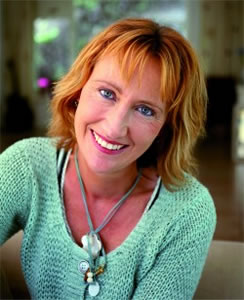
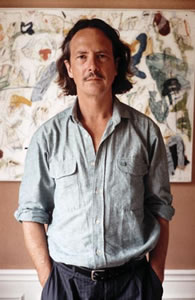
De Nederlandse schrijfster Simone van der Vlugt werd geboren in Hoorn op 15 december 1966. Geïnspireerd door Kruistocht in Spijkerbroek (1974) van Thea Beckman (1923-2004) stuurde zij op haar dertiende voor het eerst manuscripten voor historische verhalen naar een uitgever. Die wees haar werk af, maar raadde haar aan om door te gaan met schrijven. Ze ging Nederlands en Frans studeren aan de lerarenopleiding in Amsterdam, waar ze onder meer les kreeg in jeugdliteratuur en creatief schrijven. Na haar studie ging ze fulltime werken als secretaresse bij een bank en schreef ze in de avonduren aan een verhaal over de heksenvervolging, De amulet, waarmee ze in 1995 debuteerde bij de Rotterdamse uitgeverij Lemniscaat. Het boek werd getipt door de Nederlandse Kinderjury. Een reeks historische jeugdboeken voor de leeftijdscategorie 13+ volgde. In het najaar van 2004 debuteerde ze met De reünie als schrijfster van volwassenenliteratuur. Daarbij liet ze zich inspireren door de literaire thrillers van Nicci French. In 2005 verscheen Schaduwzuster en in 2007 Het laatste offer.


Uit: De bastaard van Brussel

„Hij ligt op het keiharde bed en kan niet slapen: zijn lichaam is verkrampt van de kou.
Zijn celgenoot ligt zachtjes te zingen, iets religieus, en het geruststellende geluid van een stem vlak bij hem voorkomt dat Crispijn verpletterd wordt door duisternis, stilte en paniek. Hij ligt op zijn zij, staart naar de kille, afwerende muur naast hem en laat zich meevoeren door het zachte gezang. Het zou troostend kunnen werken als de angst in de stem van de man niet zo duidelijk hoorbaar was.
Hoeveel ketters, of vermeende ketters, liggen hier in de duisternis bijeen, van elkaar gescheiden door vochtige muren? Niets verstoort de stilte van de nacht, op druk geritsel en getrippel na waar Crispijn liever niet te lang bij stilstaat.
Vlak voor hij besloot te gaan slapen, was zijn celgenoot naar hem toe geschuifeld en had hem een stuk brood gegeven.
`Eet het niet op, ’ had hij gezegd. `Bewaar minstens de helft en leg het naast je, op je brits.’
`Waarom?’
`Dat zul je wel merken.’
Op de tast zoekt Crispijn het stuk brood en eet het op – alles. Als die vent denkt dat hij zich zo gemakkelijk laat bestelen, is hij niet goed wijs. Hij gaat op zijn rug op zijn bed liggen en staart naar de hanenbalken boven zijn hoofd. Hij denkt aan Eva en die gedachte vrolijkt hem niet op. Is ze ontkomen of zit ze hier ook ergens in het Broodhuis? Een kind van elf… Het zou niet voor het eerst zijn. En Hans? Wat is er met Hans gebeurd?
Hij sluit zijn ogen en dwingt zijn gedachten een andere kant op – maar zoveel kanten zijn er niet.“


 Simone van der Vlugt (Hoorn,15 december 1966)


Gerard Reve, Boudewijn Büch, Hervé Guibert, Andreas Mand, Paul Eluard, Shirley Jackson, Charles Wolfe, Helle Helle, Marianne Fritz, Regina Ullmann

De Nederlandse dichter en schrijver Gerard Reve werd op 14 december 1923 in Amsterdam geboren. Zie ook mijn blog van 14 december 2006 en mijn blog van 8 april 2007 en ook mijn blog van 14 december 2007 en ook mijn blog van 14 december 2008.

Uit: Gerard Reve Verzameld Werk deel 6

Een mooi feest

” Ik heb Kerstmis altijd een mooi feest gevonden, maar ook een erg treurig feest. daaraan moet ik wel toevoegen, dat ik geen feest ken, dat niet een treurig feest is.

Over Kerstmis heb ik zelden of nooit iets gelezen, dat niet om de zaak waar het om gaat, dom, handig of huichelachtig heendraaide.

Ik vat de Schrift ernstig op, maar niet letterlijk, en ik acht het vasthouden aan de historiciteit van het evangelie -zoals eertijds aan die van het paradijsverhaal- een ernstige bedreiging van het voortbestaan van het christendom. Wel buig ik mij voor het Mysterie van de onmetelijke en levendmakende waarheid, die in het evangelieverhaal wordt vertolkt.

Het verhaal leert ons, dat de menswording geen geringe opdracht is; dat, wanneer de Waarheid geboren moet worden er voor haar geen plaats is, noch in een huis, noch in een zo onpersoonlijk verblijf als een logement: de bevalling moet plaatsvinden in een stal, in aanwezigheid van de twee nederigste en meest onderworpen dieren. Ik acht het van nog diepere betekenis, dat deze Geboorte bovendien onwettig is en dat God geboren moet worden uit een ongehuwde moeder.

Of de duisternis het Licht ooit zal begrijpen, daaraan moet ik diep en bitter twijfelen. Maar wel geloof ik in het Licht dat schijnt in de duisternis, in alle eeuwigheid.”


Uit: Brief door tranen uitgewist

‘Waar was de Meedogenloze Jongen op dit ogenblik? Ik bleef staan. Opeens zag ik hem liggen, en dat was het wonderlijke: in een kleine kaki tent, in de tuin van zijn paleis. Ik zag verder niemand. Eén van de helften van de voorhang van het tentje was opgeslagen, en daardoor kwam het, dat ik hem duidelijk kon zien liggen, in zijn deken gerold, op het grondzeiltje, en zonder matras. Er was een teer, roerloos licht van een stormlampje, dat heel laag brandde. Eén van zijn armen was bloot, en zijn hoofd was iets opzij gezakt, half weggegleden van de opgerolde trui die hem tot kussen diende. Zijn wimpers waren neergeslagen en hij sliep, zijn mond iets geopend. Wat kon het betekenen dat hij, de Meedogenloze Jongen, nu zelf even weerloos was als iedere jongen, die hij onderwierp en bezat? Zijn tent was onder de mensen. Het liet zich niet bevatten, want het was het Misterie aller misteriën, woordloos, maar toch zou ik het aan alle koningen, tongen en natiën moeten verkondigen, zo lang als ik nog adem had en leefde.”


Reve

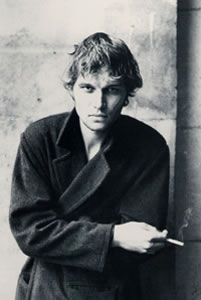
Gerard Reve (14 december 1923 – 8 april 2006)


De Nederlandse dichter, schrijver en televisiemaker Boudewijn Maria Ignatius Büch werd geboren op 14 december 1943 in Den Haag. Zie ook mijn blog van 14 december 2006 en ook mijn blog van 14 december 2007 en ook mijn blog van 14 december 2008.

Uit: De geopiaceerde wereld van Willem Bilderdijk

Goethe (1749-1832, dus bijna een volmaakt synchrone tijdgenoot van Bilderdijk) – óók een gebruiker van opiaten en andere drogerende middelen – verschilt hevig van Bilderdijk, wiens buurman hij bijna was tijdens zijn ballingschap te Duitsland. Was Goethe vaak werkelijk doodziek, Bilderdijk’s ziek-zijn was pathografisch voor een groot gedeelte niet verder aantoonbaar dan de klacht zelf. Het ziek-zijn en het ‘lijden’ van Bilderdijk was (én is) literair zeer reëel. Het ziek-zijn is Bilderdijk’s poëzie.

Bilderdijk’s religieus fanatisme – dat zekere Tweede Kamerleden ter rechterzijde bijkans tot vrijdenkers maakt – kan, zo laat het zich aanzien, voor een groot gedeelte verklaard worden uit de bovenzinnelijke roezen die de dichter onder invloed van het opium uitzat. Schreef hij niet ooit in zijn gedicht Uitspanning: ‘God schonk me een beter opiaat’? God als drug! Karl Marx zou plezier aan deze sententie hebben beleefd. Was hij immers niet de schrijver van de dooddoener: ‘Godsdienst is opium van het volk?’

Opiumgebruik leidt niet zelden tot een mystieke godsbeleving – zoals in het geval-Novalis – en tot spijsverteringskwalen (‘’t gruwzaamst windbeklemmen’, bijvoorbeeld, bij Bilderdijk in diens Ziekte), tot hypochondrie, tot hypomanie en tot veelschrijverij. Zo ook bij Bilderdijk. De dichter heeft ons een gigantisch oeuvre nagelaten. Het is ‘dromerig’ van aard. Vaak ook drijverig en vooral teveel. Druggebruik levert grofgenomen twee soorten (typologieën) van gebruikers op. De gebruiker die lethargisch wordt en niets-doende terneerzit. En de gebruiker – die wij in de moderne literatuur ook nog wel eens tegenkomen – die tot veelschrijverij vervalt en aan wie elke zelfkritiek ontnomen lijkt.

Een gebruiker klaagt. Lamenteert de huidige gebruiker hoofdzakelijk over het gebrek aan heroïne – en in de meer bijzondere zin over het gemis van geld daar het opiaat, heroïne, vanwege zijn illegaliteit zeer kostbaar is – Bilderdijk klaagde over alles behalve het verkrijgbaarheidsaspect. De dichter leefde dan ook in die benijdenswaardige eeuw waarin het opiaat vrij en gemakkelijk te verkrijgen was.

Eens schreeuwde zijn zoontje Ursinus te hard. Het kind wilde niet slapen. Het kan aannemelijk worden gemaakt dat Bilderdijk-zelf de dienstmeid opdracht gaf de kleine jongen opium te geven. Het kind stierf aan een overdosis, en de poëtische vader zong: ‘Ja, ‘k offerde U dit kind, blijmoedig zonder weenen.’ De door de opium omgekomen jongen werd geofferd aan dat andere opiaat, zich noemende God. Dat Bilderdijk’s (poëtische) theorie, uiteengezet in de titel van het rouwgedicht voor de nauwelijks éénjarige Ursinus, die luidt: Nagedachtenis van mijn zoontjen Ursinus, door een heimelijk ingegeven slaapmiddel omgebracht uiterst onwaarschijnlijk is, zou ik met het volgende willen aantonen. Bilderdijk veinsde nooit ergens schuldig aan te zijn; terwijl hij (aantoonbaar) aan bijna alle treurigheid in zijn leven – door welke doem dan ook – juist zélf schuldig was. De druggebruiker ziet overal heimelijkheden en complotten in, terwijl hij er meestal zelf, als geen ander, oorzaak en aanleiding toe is. Dat Bilderdijk alle mogelijke moeite deed om zijn nakomelingschap niet tot zijn overlast te doen zijn, kan omstandig in zijn werken en uit zijn leven worden aangetoond.”


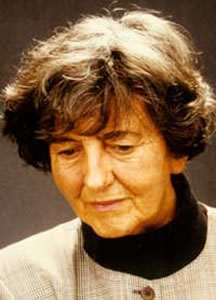
BoudewijnBuch

Boudewijn Büch (14 december 1943 – 23 november 2002)


De Franse schrijver Hervé Guibert werd geboren op 13 december 1955 in Saint-Cloud. Zie ook mijn blog van 14 december 2008.


Uit: Verrückt nach Vincent (Fou de Vincent, vertaald door J. Schlegel)


Der erste Satz, den ich über ihn geschrieben habe, am Ende des Abends, an dem ich ihn kennenlernte: «Unter den Kindern will ich zu demjenigen gehen, dessen Reiz der verborgenste ist, und ich will ihm die Leberflecken im Antlitz abküssen, alle Muttermale seiner Hüften und seines Nackens.» Die letzte Nacht versuchte er eine geschlagene Stunde lang, in mich reinzukommen, auf dem Bauch, seitlich, mit Creme, ich rücklings unter ihm, mit einer anderen Creme, mit dem Öl, das ich für ihn aus der Küche holen mußte, im Stehen nicht, er ist zu klein. Ich wollte einen Präser, er war rosa und besaß ein Reservoir; als ich ihn aus seiner Verpackung schob, um ihn ihm überzustreifen, fragte ich: «Hat es einen Sinn?» Er sagte: «Man erschrickt ja geradezu, wie du dich da auskennst!» Er wollte den Präser abziehen, sagte: «Du hast echt Schiß, Aids zu kriegen, was?» Ich entschuldigte mich pausenlos, gab vor, daß mein Hintern zu eng sei, zu trocken. Ihm stand er nicht richtig. Einmal – er lag über mir und hatte meine Beine gepackt, um sie mit seinen Schultern hochzuhalten – flüsterte er: «Drück dich hoch!» Jetzt nur keinen Krampf bekommen, ich war ein Schlangenmensch geworden. Er stöhnte, er war drin, er suchte meinen Mund, seine Zunge stieß hinein, ich hatte den Eindruck, die Frau zu sein, mit der er schlief. Er küßte mich ein zweites Mal, hatte einen ganz trockenen Mund, sein Speichel tränkte mich, dieses kostbare Gut, das er auf der Straße ausspuckt.

Seltsam, an einem Buch weiterzuschreiben, das man schon vor einem halben Jahr seinem Verleger ausgehändigt hat, dessen Vertrag unterzeichnet ist: es auf fliegende Blätter zu schreiben, nicht abzutippen, und diese fröhlichen oder traurigen Seiten nach und nach dem Verleger zu überbringen oder zu schicken, eine Art, die Distanz zwischen sich und dem Buch zu verringern, noch näher an ihm zu sein, noch tiefer in seinem Innern, so, als ob man unmittelbar hineinschriebe in das Buch.

Als er erfuhr, daß ich den Brief dann doch geöffnet hatte, den Pierre ihm an meine Adresse geschrieben hatte, kein Vorwurf, sondern nur: «Jetzt weiß ich, daß du nicht ganz richtig bist.»


guibert1

Hervé Guibert (14 december 1955 – 27 december 1991)


De Franse dichter en schrijver Paul Eluard werd geboren op 14 december 1895 in Saint Denis. Zie ook mijn blog van 14 december 2006 en ook mijn blog van 14 december 2008.


Dit de la force de l’amour


Entre tous mes tourments entre la mort et moi

Entre mon désespoir et la raison de vivre

Il y a l’injustice et ce malheur des hommes

Que je ne peux admettre il y a ma colère


Il y a les maquis couleur de sang d’Espagne

Il y a les maquis couleur du ciel de Grèce

Le pain le sang le ciel et le droit à l’espoir

Pour tous les innocents qui haïssent le mal


La lumière toujours est tout près de s’éteindre

La vie toujours s’apprête à devenir fumier

Mais le printemps renaît qui n’en a pas fini

Un bourgeon sort du noir et la chaleur s’installe


Et la chaleur aura raison des égoïstes

Leurs sens atrophiés n’y résisteront pas

J’entends le feu parler en riant de tiédeur

J’entends un homme dire qu’il n’a pas souffert


Toi qui fus de ma chair la conscience sensible

Toi que j’aime à jamais toi qui m’as inventé

Tu ne supportais pas l’oppression ni l’injure

Tu chantais en rêvant le bonheur sur la terre

Tu rêvais d’être libre et je te continue.


Certitude 


Si je te parle c’est pour mieux t’entendre

Si je t’entends je suis sûr de te comprendre


Si tu souris c’est pour mieux m’envahir

Si tu souris je vois le monde entier


Si je t’étreins c’est pour me continuer

Si nous vivons tout sera à plaisir


Si je te quitte nous nous souviendrons

En te quittant nous nous retrouverons. 


paul_eluard1

Paul Eluard (14 december 1895 – 18 november 1952)


De Duitse schrijver Andreas Mand werd geboren op 14 december 1959 in Duisburg. Zie ook alle tags voor Andreas Mand op dit blog.


Uit: Vaterkind


“Ich dachte, daß es mein erstes gutes Lied war, das nicht über meine große, unglückliche Liebe ging. Und dann, daß es genaugenommen auch um eine unglückliche Liebe ging. Ich saß in seinem Auto, nicht weit vom Kurmittelhaus, Bad Irgendwo im Rothaargebirge, und hörte das Lied, das die Situation, in der er war – und ich mit ihm – in großer Genauigkeit beschrieb. Ich hatte es nur schreiben können, weil er nichts davon wußte. Ich konnte es nur hören, weil er nicht dabei war. Es gab mir Kraft und Identität. Ich konnte zu ihm zurückkehren und ihn unterstützen. Ich konnte, wenn er mich brauchte, sein Sohn sein.”


Mand

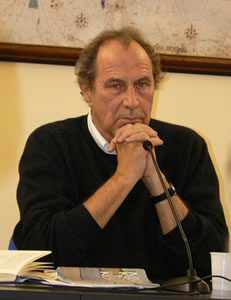
Andreas Mand (Duisburg, 14 december 1959)


De Amerikaans schrijfster Shirley Jackson werd geboren in San Francisco op 14 december 1919. Zie ook mijn blog van 14 december 2008.


Uit: What a thought


“Dinner had been good; Margaret sat with her book on her lap and watched her husband digesting, an operation to which he always gave much time and thought. As she watched he put his cigar down without looking and used his free hand to turn the page of his paper. Margaret found herself thinking with some pride that unlike many men she had heard about, her husband did not fall asleep after a particularly good dinner.
She flipped the pages of her book idly; it was not interesting. She knew that if she asked her husband to take her to a movie, or out for a ride, or to play gin rummy, he would smile at her and agree; he was always willing to do things to please her, still, after ten years of marriage. An odd thought crossed her mind: She would pick up the heavy glass ashtray and smash her husband over the head with it.
“Like to go to a movie?” her husband asked.
“I don’t think so, thanks,” Margaret said. “Why?”
“You look sort of bored,” her husband said.
“Were you watching me?” Margaret asked. “I thought you were reading.”
“Just looked at you for a minute.” He smiled at her, the smile of a man who is still, after ten years of marriage, very fond of his wife.
The idea of smashing the glass ashtray over her husband’s head had never before occurred to Margaret, but now it would not leave her mind. She stirred uneasily in her chair, thinking: what a terrible thought to have, whatever made me think of such a thing? Probably a perverted affectionate gesture, and she laughed.
“Funny?” her husband asked.
“Nothing,” Margaret said.”


shirley_jackson

Shirley Jackson (14 december 1919 – 8 augustus 1965)


De Ierse dichter Charles Wolfe werd geboren op 14 december 1791 in Blackhall, County Kildare. ook mijn blog van 14 december 2008.


Oh say not that my heart is cold 


Oh say not that my heart is cold

To aught that once could warm it –

That Nature’s Form so dear of old

No more has power to charm it;

Or that th’ ungenerous world can chill

One glow of fond emotion

For those who made it dearer still,

And shared my wild devotion.


Still oft those solemn scenes I view

In rapt and dreamy sadness;

Oft look on those who loved them too

With Fancy’s idle gladness;

Again I longed to view the light

In Nature’s features glowing;

Again to tread the mountain’s height,

And taste the soul’s o’erflowing.


Stern Duty rose, and frowning flung

His leaden chain around me;

With iron look and sullen tongue

He muttered as he bound me –

‘The mountain breeze, the boundless heaven,

Unfit for toil the creature;

These for the free alone were given, –

But what have slaves with Nature?’


Wolfe

Charles Wolfe (14 december 1791 – 21 februari 1823)


Zie voor onderstaande schrijvers ook mijn blog van 14 december 2008.

De Deense schrijfster Helle Helle werd geboren als Helle Krogh Hansen in Nakskov op 14 december 1965.

De Oostenrijkse schrijfster Marianne Fritz werd als Marianne Frieß geboren op 14 december 1948 in Weiz in de Steiermark.

De Oostenrijks – Zwitserse dichteres en schrijfster Regina Ullmann werd op 14 december 1884 in St. Gallen geboren.


Heinrich Heine, José Eduardo Agualusa, Kenneth Patchen, Robert Gernhardt, Ida Vos, Jevgeni Petrov, Jean Rouaud, Laurens Jan van der Post, Emily Carr

De Duitse dichter Heinrich Heine werd geboren in Düsseldorf op 13 december 1797. Zie ook alle tags voor Heinrich Heine op dit blog.


Aus einem Brief

Die Sonne spricht:

Was gehn dich meine Blicke an?
Das ist der Sonne gutes Recht,
Sie strahlt auf den Herrn wie auf den Knecht;
Ich strahle, weil ich nicht anders kann.

Was gehn dich meine Blicke an?
Bedenke, was deine Pflichten sind,
Nimm dir ein Weib und mach ein Kind,
Und sei ein deutscher Biedermann.

Ich strahle, weil ich nicht anders kann,
Ich wandle am Himmel wohl auf, wohl ab,
Ass Langeweile guck ich hinab –
Was gehn dich meine Blicke an?

Der Dichter spricht:

Das ist ja eben meine Tugend,
Daß ich ertrage deinen Blick,
Das Licht der ew’gen Seelenjugend,
Blendende Schönheit, Flammenglück!

Jetzt aber fühl ich ein Ermatten
Der Sehkraft, und es sinken nieder,
Wie schwarze Flöre, nächt’ge Schatten
Auf meine armen Augenlider…

Chor der Affen:

Wir Affen, wir Affen,
Wir glotzen und gaffen
Die Sonne an,
Weil sie es doch nicht wehren kann.

Chor der Frösche:

Im Wasser, im Wasser,
Da ist es noch nasser
Als auf der Erde,
Und ohne Beschwerde
Erquicken
Wir uns an den Sonnenblicken.

Chor der Maulwürfe:

Was doch die Leute Unsinn schwatzen
Von Strahlen und von Sonnenblicken!
Wir fühlen nur ein warmes Jücken,
Und pflegen uns alsdann zu kratzen.

Ein Glühwurm spricht:

Wie sich die Sonne wichtig macht,
Mit ihrer kurzen Tagespracht!
So unbescheiden zeig ich mich nicht,
Und bin doch auch ein großes Licht,
In der Nacht, in der Nacht!


Der Wind zieht seine Hosen an


Der Wind zieht seine Hosen an,
Die weißen Wasserhosen!
Er peitscht die Wellen, so stark er kann,
Die heulen und brausen und tosen.


Aus dunkler Höh’, mit wilder Macht,
Die Regengüsse träufen;
Es ist, als wollt die alte Nacht
Das alte Meer ersäufen.


An den Mastbaum klammert die Möwe sich
Mit heiserem Schrillen und Schreien;
Sie flattert und will gar ängstiglich
Ein Unglück prophezeien.


heine_sitzend_400h

Heinrich Heine (13 december 1797- 17 februari 1856)
Standbeeld in Düsseldorf


De Angolese schrijver José Eduardo Agualusa werd op 13 december 1960 in Huambo geboren. Zie ook alle tags voor José Eduardo Agualusa op dit blog.


Uit: Ein Stein unter Wasser (Vertaald door Inés Koebel)


“ Brief an Ana OlímpiaQuinta da Saragoça, Juli 1877


Geliebte!

Ich habe die Insel Cajaiba gekauft, da ich Dir, wenngleich nicht das Paradies, so doch zumindest einen vorübergehenden Zufluchtsort bieten wollte, und als wir im Mai auseinandergingen, dachte ich noch, das Eiland könne dies tatsächlich sein. Weit gefehlt. Ich habe schlechte Nachrichten für Dich, furchtbar als solche und beunruhigend, was Deine Sicherheit angeht. Wenige Tage vor meiner Abreise nach Lissabon versuchte mich ein Mann auf der Fähre zwischen Rio und der kleinen Stadt Niteroi zu erschießen, es gelang ihm, schwimmend zu entkommen. Dieser Zwischenfall hat mich nicht sonderlich beunruhigt, zumal ich überall in der Welt treffliche Feinde habe und Bekundungen ihrer Antipathie ebenso gewohnt bin wie Schüsse! Ich habe dem guten Patrocinio von besagtem Vorfall berichtet, der in dem Schützen einen gedungenen Mörder vermutet und sogleich zwei Capoeira-Kämpfer zu meinem Schutze anheuerte. Was zur Folge hatte, daß ich den Rest der Woche vergeblich versuchte, Patrocinios Männern zu entkommen, und mich erst am Montag, als ich endlich an Bord gehen konnte, wieder als freier Mensch fühlte.Es regnete. Die Luft war erfüllt von feinen, lästigen Tropfen, melancholisch wie Tränen, die bei uns Portugiesen im Volksmund »Narrenregen« heißen. Ich verweilte lange an Deck und sah Brasilien traurig im Nebel zurückbleiben.Anschließend suchte ich meine Kajüte auf. Ich fand dort einen Koffer vor, der fast identisch war mit dem meinen. Im ersten Augenblick dachte ich, man habe versehentlich ein Gepäckstück vertauscht, was früher oder später jedem Reisenden einmal widerfährt, und rasch wieder in Ordnung gebracht werden kann. Doch dann bemerkte ich, daß der Koffer mit meinem Namen versehen war. Ich öffnete ihn beunruhigt, und was ich sah, verschlug mir den Atem: zwei kalte, glasige Augen starrten mir entgegen. Vor mir lag der präparierte Kopf eines schwarzen Mannes.Ich schlug den Koffer wieder zu. Welch gräßlicher Alptraum; übelkeit stieg in mir auf, mir war, als drehte sich das Schiff auf dem Meer, ich entriegelte die Luke und legte mich in die Hängematte. Ich weiß nicht, wie lange ich so dalag und krampfhaft die schwere, feuchte Luft einatmete. Als ich mich wieder beruhigt hatte, stand ich auf und öffnete erneut den Koffer. Der Kopf war immer noch dort, doch erst jetzt erkannte ich zu meinem Entsetzen, daß er die edlen Züge des alten Cornélio trug.Ich weiß, daß diese Nachricht Dich verstören wird. Und Du wirst Dir vorstellen können, wie verstört ich bin. Der Tod des alten Cornélio ist ein Verbrechen, das sich um so schändlicher und absurder darstellt, als es gewiß einzig in der Absicht begangen wurde, uns zu ängstigen und zu verhöhnen.“


Jose_Eduardo_Agualusa

José Eduardo Agualusa (Huambo, 13 december 1960)


De Amerikaanse dichter Kenneth Patchen werd geboren op 13 december 1911 in Niles, Ohio. Zie ook alle tags voor Kenneth Patchen op dit blog.


The Naked Land 


A beast stands at my eye.


I cook my senses in a dark fire.

The old wombs rot and the new mother

Approaches with the footsteps of a world.


Who are the people of this unscaled heaven?

What beckons?

Whose blood hallows this grim land?

What slithers along the watershed of my human sleep?


The other side of knowing …

Caress of unwaking delight … O start

A sufficient love! O gently silent forms

Of the last spaces. 


Creation 


Wherever the dead are there they are and

Nothing more. But you and I can expect

To see angels in the meadowgrass that look

Like cows –

And wherever we are in paradise

in furnished room without bath and

six flights up

Is all God! We read

To one another, loving the sound of the s’s

Slipping up on the f’s and much is good

Enough to raise the hair on our heads, like Rilke and Wilfred Owen


Any person who loves another person,

Wherever in the world, is with us in this room –

Even though there are battlefields.


patchen

Kenneth Patchen (13 december 1911 – 8 januari 1972)


De Duitse dichter en schrijver Robert Gernhardt werd op 13 december 1937 in het Estische Reval (het huidige Tallinn) geboren. Zie ook alle tags voor Robert Gernhardt op dit blog.


Bilden Sie mal einen Satz mit…


visuell

Vi su ell die Sonne strahlt –

als würde sie dafür bezahlt.


pervers

Ja, meine Reime sind recht teuer:

per Vers bekomm ich tausend Eier.


Minister

Aus welchem Mund dringt dies Geplärr?

“Min is ter Rachen”, spricht der Herr.


Metapher

Herr Kapitän, der Steuermann

hat grade lallend kundgetan,

er brächte jetzt das Schiff zum Sinken –

me taph er wirklich nicht mehr trinken.


Symbol

Herr Dschingis Khan, das tut man nicht,

daß man in fremdes Land einbricht.

Nu aber raus mit Ihren Horden –

Sie sym bol wahnsinnig geworden!


allegorisch

Nichts wird sich ändern hier auf Erden,

bevor nicht alle gorisch werden.


sensibel

Herr Ober! Bringt mir einen Kübel!

Mir wird von diesem Nonsens ibel!


robert_gernhardt

Robert Gernhardt (13 december 1937 – 30 juni 2006)


De Nederlandse schrijfster Ida Vos (meisjesnaam Gudema) werd geboren in Groningen op 13 december 1931. Zie ook alle tags voor Ida Vos op dit blog.


Mevrouw Van Dalen, weet u wel?


“Op een dag komt tante Jetje, die nu ook bij hen woont, erg verdrietig thuis.

‘Het is weer gebeurd,’ zegt ze. ‘Ik heb er genoeg van.’

‘Trek het je niet aan. De mensen in Holland weten niet beter.’

Zo probeert oma tante Jetje te troosten.

‘Je moet eraan wennen. Het komt doordat je net uit Amerika terug bent. Wij zijn er al een beetje mee vertrouwd.’

‘Moet ik dan steeds maar weer vertellen dat Annie en Bram en kleine Ineke zijn vermoord?’

‘Ja, er zit niets anders op.’

Ze heeft heel stil zitten luisteren. Ze voelt dat de tranen uit haar ogen willen springen, maar ze kan ze nog net tegenhouden.

Annie en Bram heeft ze ook gekend. Dat waren de dochter en de schoonzoon van tante Jetje en Ineke was haar kleindochter.

Als ze kan, zal ze proberen tante Jetje een beetje op te vrolijken.

Ze heeft mamma beloofd boodschappen te doen. Misschien wil tante Jetje met haar mee.

Tantje Jetje wil graag. Ze lopen gearmd over de Haagweg.

‘Net als vroeger met Annie,’ zegt tante Jetje. ‘Dat was ook zo gezellig.’

Ze kletst achter elkaar door. Ze moet haar best doen om niet over de onderduiktijd te praten. Tante Jetje moet getroost worden, maar tante Jetje vraagt zoveel.

‘Hoe voelde het toen je voor de eerste keer met een ster op je borst de straat op moest?’

Ze geeft geen antwoord.

‘Kind, wat deed je al die jaren toen je niet naar buiten mocht?’

Ze geeft geen antwoord. Hoe moet je dat uitleggen aan iemand die de hele oorlog in Amerika is geweest.


‘Dag, mevrouw Nieweg!’

Voor tante Jetje staat een mevrouw.

‘Kent u me niet meer? Mevrouw Van Dalen, weet u wel? Vroeger hielp ik u wel eens in de winkel.’

‘O ja,’ zegt tante Jetje, maar ze ziet aan tantes gezicht dat ze niet weet wie de mevrouw is.

‘Hoe is het toch met…’

‘Prima, prima. Met Annie en Bram en de kleine Ineke gaat het prima. Ze wonen in een schitterende bungalow in Florida. Ze hebben zelfs een zwembad. Dag mevrouw Van Dalen. Kom Rachel, we gaan verder.’

Tante Jetje trekt haar mee, maar ze hoort nog hoe mevrouw Van Dalen zegt: ‘Weer één te weinig vergast. Kale kakmadam. Met een winkeljuffrouw praat ze niet meer.’


IdaVos

Ida Vos (13 december 1931 – 3 april 2006)


De Russische schrijver Jevgeni Petrov werd geboren in Odessa op 13 december 1903. Zie ook alle tags voor Jevgeni Petrov op dit blog.


Uit: The 12 Chairs


“The grandmaster moved on to local topics.
“Why, in the provinces, is there no chess thought? For example, your club. What’s it called? `Chess club’. It’s boring, girls! Why don’t you name it something beautiful, something in the spirit of chess? The nation’s masses would beat a path to your club’s door. For example, you could name it “Four Knights Club”, “Beautiful Endgame”, or “Loss of Material Compensated for by Gain of Tempo”. That would be good! Sweet sounding!”
The idea was successful.
“Really”, the locals said, “why not rename our club the `Four Knights Club’?”
Since the executive committee of the chess club was right there, Ostap organized, under his honorary chairmanship, a minute-long meeting at which the club was unanimously renamed “Four Knights Chess Club”. The grandmaster, with his own hand, artistically executed on a piece of cardboard a design with four knights and an accompanying inscription.
This important measure augured a dawn of chess thought in Vasiuki.
“Chess!” Ostap said. “Do you know what chess is? It advances not only culture, but the economy, too! Do you know that your Four Knights Chess Club, under the right circumstances, could completely transform the city of Vasiuki?”
Ostap had eaten nothing since yesterday. Therefore, the elegance of his speech was extraordinary.
“Yes!” he shouted. “Chess enriches the nation! If you agree to my proposal, you’ll have a marble staircase descending from the city to the pier! Vasiuki will become the center of ten provinces! What had you previously heard about the town of Zimmering? Nothing! But now, this little burg is rich and famous only because it hosted an international tournament. Therefore, I say: we must organize an international chess tournament in Vasiuki.”
“How?” everyone shouted.
“It’s a completely realistic idea,” answered the grandmaster. “My personal connections and your initiative are all that’s needed to ensure the organization of the internation
al Vasiuki tournament. Think how beautiful it will sound: “The International Vasiuki Tournament for 1927″. The attendance of Jose Raul Capablanca, Emanuel Lasker, Alekhine, Nimtzovitz, Reti, Rubenstein, Marotsi, Tarrasch, Widmar, and Doctor Grigoriev is assured. Moreover, my participation is assured.”
“But, money,” the locals groaned. “You have to pay all of them money. Thousands of rubles. Where can we get it?”


ilfipetrov2

Jevgeni Petrov (13 december 1903 – 2 juli 1942)
Jevgeny Petrov (rechts) en Ylya Ilf (links)


De Franse schrijver Jean Rouaud werd geboren op 13 december 1952 in Campbon (Loire-Atlantique). Zie ook alle tags voor Jean Rouaud op dit blog.

Uit: Les Champs d’honneur


“La lettre de Commercy mit dix ans à arriver jusqu’à nous. Elle marqua pour Mathilde la fin de sa jeunesse, ce moment d’abdication où, si l’on s’autorise encore à rêver, c’est en s’interdisant désormais d’imaginer que la rêverie débouche un jour sur le réel. Dès la formule de condoléances, on comprend que rien de ce qu’on espère vraiment n’arrive jamais, qu’il n’y a pas de miracle, pas d’histoire de Polonaise aux grands yeux mettant le grappin sur un galant petit Français, pas d’amnésie provisoire, mais qu’Emile est bien mort. Simplement, son camarade signale l’avoir enterré de façon sommaire au pied d’un eucalyptus, où il saurait le retrouver si la famille se montrait désireuse de ramener le corps parmi les siens- ce qui avait été, semble-t-il, le désir du mourant et la raison de cet escamotage, pour éviter une inhumation collective ou la lente décomposition sur le champ de bataille. Mais il y a déjà plusieurs lignes que la vue de Mathide se brouille, et sur un clignement de paupières une ribambelle de larmes s’affale sur le papier. Ce n’est pas tant la confirmation de cette mort qu’elle a de toute façon apprise il y a douze ans maintenant, mais ce trait final qui clôt l’attente, cette porte qui se referme.”


rouaud-jean

Jean Rouaud (Campbon, 13 december 1952)


De Engelstalige en van oorsprong Zuid-Afrikaanse schrijver en officier Laurens Jan van der Post werd geboren in Philippopolis op 13 december 1906. Zie ook alle tags voor Laurens Jan van der Post op dit blog.

Uit: Wind of Change


 In this fashion, after many days, almost precisely at noon (wherein, my teacher had just informed me, midnight is born), we had our first glimpse since we had left Port Natal, of the coast of East Africa. It did not cause much excitement in Plomer or Mori, for whom it was little more than a landmark proving how faultless his navigation had been. Seen from the shade of our little deck on a day white with heat and a haze almost as dense as fog, it was indeed not a dramatic sight. It appeared just a dark line drawn firmly on the infirm air; now and then surges of white of a ghostly kind against it marked the breakers of the Indian Ocean swell. But through the glasses that I borrowed and when Mori told me it was the port of Mozambique, it was another matter. I could then just see the flamingo pink coral below the line of the land, and the fort or castle resting still intact on the foundations Vasco da Gama had provided for it (so legend had it), in stones carried as ballast from Lisbon, four hundred and twenty-eight years before. I knew both legend and history well. The Portuguese had had to fight desperately against disease, malnutrition and stubborn rivals like the Dutch, in order to maintain their hold on that strategic base on their route to the Far East. Immediately that mere outline in the light of a day so fierce that it hissed like a serpent in my ears, became an ideogram of the kind that I had been studying that morning with direct access to all the emotions of endeavour and seeking that had brought us to Africa and, in sense, had impelled me to follow through as an odd sort of pilgrim of history, in the wake of Vasco da Gama and his successors. I continued to watch the land until it vanished not below the horizon but burnt out like ashes into the fire of the day. I went to lunch marvelling at the indifference of everyone at table to the event, and resolved that no matter how far and long I travelled I would not allow so culpable an ennui to overcome my spirit at any first glimpse of land after days at sea.

          At last we came to our first landfall after Port Natal. The drama for me was set the evening before when the Canada Maru felt her way delicately through the last coral water between Dar-es-Salaam (The Haven of Peace) and the Sultanate of Zanzibar. Almost on the equator now, the sky was heavy with thunder-clouds, black as Mohamet’s coffin below but piled so high above it that they were pure and white in a sky of peacock blue. From somewhere behind them, the sun at the exit of the world enfolded all with wide arch-angel’s wings of light, in an immense and final clasp of valediction.“


VanDerPost

Laurens Jan van der Post (13 december 1906 – 16 december 1996)


De Canadeese schilderes en schrijfster Emily Carr werd geboren in Victoria op 13 december 1871. Zie ook alle tags voor Emily Carr op dit blog.

Uit: The Book of Small

“The turn brought Small face to face with the Orange Lily.

The lily grew in the angle made by the front of the house and the side of the porch. Small’s knees doubled to the splintery porch floor. She leaned over to look into the lily’s trumpet, stuck out a finger to feel the petals… They were cool, slippery and alive.

Lily rolled her petals grandly as sentinelled doors roll back for royalty. The entrance to her trumpet was guarded by a group of rust-powdered stamens – her powerful perfume pushed past these. What was in the bottom of Lily’s trumpet? What was it that the stamens were so carefully guarding? Small pushed the stamens aside and looked. The trumpet was empty – the emptiness of a church after parson and people have gone, when the music is asleep in the organ and the markers dangle frm the Bible on the lectern.

Anne Mitchell opened the cottage door.

“Come and see my everlasting flowers, Small – my flowers that never die.”

With a backward look, Small said, “What a lovely lily!”

“Well enough but strong-smelling, gaudy. Come and see the everlastings.”

Presently Small said, “I had better go now”.

“You shall have a posy,” said Anne… “We will gather flowers from the garden for you.”

The Orange Lily! Oh, if Mrs Mitchel would only give me the Orange Lily! Oh if only I could hold it in my hand and look and look!

Anne passed the lily. Beyond was the bed of pinks – white, clove, cinnamon. “Smell like puddings, don’t they?” said Small.

Anne’s scissors chawed the wiry stems almost as sapless as the everlastings. Life seemed to have rushed to the heads of the pinks and flopped them face down to the ground. Anne blew off the dust as she bunched he pinks. Small went back to the lily. With pocket-handkerchief she wiped the petals she had rusted by pushing aside the stems.

“There are four more lilies to come, Mrs Mitchell!”

Anne lifted the corner of her black silk apron.

“That lily has rusted your nose, Small.”

She scrubbed.

Small went home.

“Here’s pinks”, she said, tossing the bunch upon the table.

In her heart she hugged an Orange Lily. It had burned itself there not with flaming petals, not through the hot, rich smell. Soundless, formless, white – it burned there”


carr

Emily Carr (13 december 1871 – 2 maart 1945)

Ahmad Shamlou, Kader Abdolah, Susanna Tamaro, Gustave Flaubert John Osborne, Shrinivási, Else Buschheuer, Beat Sterchi, Patrick O’Brian, Manès Sperber

De Iraanse dichter, schrijver en journalist Ahmad Shamlou werd geboren op 12 december 1925 in Teheran. Zie ook mijn blog van 12 december 2008.


The Journey  (Fragment)


For God’s sake respond,

Where is contrived my shrine?

Guide me to the waterway to glide,

Lead me sailing the hostile waves of the seven seas

To its gates!


 ***

At the First Supper of the journey

We passed through a spinning strait

It looked like a glassy green farm.


And when the night went slow

As-if foiled within the friction of marine stones

and  the moonlight,

We reached into a dead sea.


It surely was a sea

And It surely was dead and  dead for a long while

For its falling frail sky

was a grey roof over the spotless stillness

of winds, of waves and of its moist rays of light

with no sign of the breathing of any star.


The sun in that land,

was swinging in the vastness of sphere

ceaselessly wandering  around a fearful doubt

a fearful doubt: to rise or to fall.


***

In a  hopeless  labour

breathing the putrid air of the dead sea,

sweating under the hits of a wavering sun


we were  shovelling the ashes of the sea

and the dust of the forsaken corpses

that it within held.


We were shovelling the ashes of the sea;

And the dust of its forsaken corpses

with their dreadful open eyes

yet brightened with an uncanny sign of fury;

And the spears;

Oh spears stained with spots of blackened  blood

all the remains of the Great Deluge,

all the remains the stroke of the Lightening of Demise.


***

Yet again

It was the straits and the dead seas,

And again other straits and other dead seas…


***

Then we reached to the boiling waters of a sea

With its strong storms and  fierce sharks

Its waves were the tangle of molten rocks and steam

a volcano determined to trap the moon,

to trap the moon.


“-But

the seas are meant  to charge the clouds

with the shower of life

revolting in the steam and storm

is their rightful deed.

Indeed,

if love was not to the pledge

no one had dared such a journey!”


It is what you whispered

With a voice like a sacred refrain of a heavenly prayer

Filled with the sweetest scent of passion flowers.


Since the start of the journey

were these words of yours

our only naval hymn.


And why deny?

Your words touched my heart

It was why

I was reciting then

over

and over

and over

again…


Could it be that  in the hands of a tormenting sea;

Could it be that under the sway of molten rocks;

Could it be that within dried floating corpse

Your words were the sole song, the sole light

the sole means?


May I dare say the truth: they were.


And you, and your words

Surely sailed our tormented boat through the torments of the sail.


And our boat

With its fluid weight

And its sails’ trembling heights,

as-if yielding to the pride of dark winds,

was just like a  frightened somnambulist

marching in a burning fever.


*** 

And after these days of cruise

in the absence of light

have faded away

we reached onto another sea

a bright blue sea,

this time.


Vertaald door Maryam Dilmaghani


shamlou1

Ahmad Shamlou (12 december 1925  – 24 juli 2000)


De Iraans – Nederlandse schrijver Kader Abdolah (pseudoniem van Hossein Sadjadi Ghaemmaghami Farahani) werd geboren in Arak op 12 december 1954. Zie ook alle tags voor Kader Abdolah op dit blog.


Uit: Het huis van de moskee


„Aga Djan handelde in tapijten en bezat in de stad Senedjan het oudste pand van de bazaar, waar meer dan honderd mannen voor hem werkten. Hij had een groep van zeven tapijttekenaars in dienst die de patronen van de tapijten ontwierpen.

De bazaar is een stad in een stad; men kan het terrein betreden via verschillende poorten. Een wirwar van straten, overdekt door koepelvormige daken. Honderden tegen elkaar aan gelegen winkeltjes.

De bazaars waren door de eeuwen heen de belangrijkste financiële middelpunten van het land geworden. In de panden waren duizenden handelaars gevestigd, die voornamelijk handelden in stoffen, goud, graan, tapijten en bewerkt metaal.
Vooral de tapijthandelaars hadden altijd een cruciale rol gespeeld in de geschiedenis. Door zijn unieke positie had Aga Djan zowel de leiding van de moskee als van de bazaar.“


kader2

Kader Abdolah (Arak, 12 december 1954)


De Italiaanse schrijfster Susanna Tamaro werd geboren in Triëst op 12 december 1957. Zie ook alle tags voor Susanna Tamaro op dit blog.

Uit: Anima Mundi


In the beginning was the void. Then the void contracted, becoming smaller than the head of a pin. Was it by its own will or did something force  it? No one can know. What is too compressed, in the end, explodes with  furious rage. An intolerable glare came forth from the void, dispersing into

space, so there was no longer darkness above but light. From the light  the universe gushed forth in crazed splinters of energy projected into space  and time. Racing on and on, they formed the stars and the planets. Fire and  matter. This could have been enough but it wasn’t. The molecules of amino  acids continued on, millennium after millennium, transforming themselves  until life was born: microscopic unicellular beings that, in order to breath,  needed bacteria. From there, from those primordial pools, with a  progressive ordering, each living form had its origin: the large cetaceans

of the depths and the butterflies, the butterflies and the flowers  that host their larvae. And man, who stands upright instead of walking on  all fours. From four to two things change. The sky is closer, the hands  unencumbered; four movable fingers and an opposable thumb can take  hold of anything. And then freedom, dominion over space, action,  movement, the possibility of creating order and disorder. Meanwhile, the universe opens and the stars grow ever more distant, racing to the edge like

balls on a billiard table. Was all this the work of someone or did it go forth  by itself, with the inertia of an avalanche? It’s said that matter has its laws- -at that temperature, under those conditions, it could not have made anything other than this, the universe. The universe and the miniscule  galaxy containing, suspended, the flowering garden of the earth. Some  hundred species of plants and animals would have been more than  sufficient to transform our planet into something different from the others.

Instead, there are tens and tens of thousands of different forms of life. No  one person in a single life could learn to recognize them all. Waste or  wealth? If matter has its laws, who then made the laws of matter? Who  made order? Anyone? A god of light? A god of shadow? What spirit  nourishes that which, programming the life of a thing, also programs its  death? And then what importance can it have? We’re in the middle,  constantly pressed between the two principles. A fleeting form of order,

cells aggregate into our body, our face. Our face has a name. Our name  a destiny. The end of the journey is the same for everyone. Order becomes  sporadic, turning to disorder. Enzymes depart with their messages and find no one to welcome them. Messengers of an army that no longer exists. All

around is only the deaf silence of death.

Order, disorder, life, death, light, shadow. From the moment in  which I became aware of my existence, I did nothing but ask myself  questions, questions no one could answer. Perhaps wisdom means simply  not asking yourself anything. I’m not wise and never have been. My  element is not quartz but mercury. Unstable, mobile, feverish matter. The  quick silver forever destined to move. And always in disorder.“


Tamaro

Susanna Tamaro (Triëst, 12 december 1957)


De Franse schrijver Gustave Flaubert werd op 12 december 1821 geboren in Rouen. Zie ook alle tags voor Gustave Flaubert op dit blog.


Uit: Mémoires d’un fou


« Pourquoi écrire ces pages ? – À quoi sont-elles bonnes ? – Qu’en sais-je moi-même ? Cela est assez sot à mon gré d’aller demander aux hommes le motif de leurs actions et de leurs écrits. – Savez-vous vous-même pourquoi vous avez ouvert les misérables feuilles que la main d’un fou va tracer ?

Un fou. Cela fait horreur. Qu’êtes-vous, vous, lecteur ? Dans quelle catégorie te ranges-tu, dans celle des sots ou celle des fous ? – Si l’on te donnait à choisir, ta vanité préférerait encore la dernière condition. Oui, encore une fois, à quoi est-il bon, je le demande en vérité, un livre qui n’est ni instructif, ni amusant ni chimique ni philosophique ni agricultural ni élégiaque, un livre qui ne donne aucune recette ni pour les moutons ni pour les puces, qui ne parle ni des chemins de fer ni de la Bourse ni des replis intimes du coeur humain, ni des habits Moyen Age, ni de Dieu ni du diable, mais qui parle d’un fou, c’est-à-dire le monde, ce grand idiot, qui tourne depuis tant de siècles dans l’espace sans faire un pas, et qui hurle et qui bave et qui se déchire lui-même ?

Je ne sais pas plus que vous ce que vous allez lire. Car ce n’est point un roman ni un drame
avec un plan fixe, ou une seule idée préméditée, avec des jalons pour faire serpenter la pensée dans des allées tirées au cordeau.

Seulement, je vais mettre sur le papier tout ce qui me viendra à la tête, mes idées avec mes souvenirs, mes impressions mes rêves mes caprices, tout ce qui passe dans la pensée et dans l’âme – du rire et des pleurs, du blanc et du noir, des sanglots partis d’abord du coeur et étalés comme de la pâte dans des périodes sonores ; – et des larmes délayées dans des métaphores romantiques. Il me pèse cependant à penser que je vais écraser le bec à un paquet de plumes, que je vais user une bouteille d’encre, que je vais ennuyer le lecteur et m’ennuyer moi-même. J’ai tellement pris l’habitude du rire et du scepticisme qu’on y trouvera depuis le commencement jusqu’à la fin une plaisanterie perpétuelle ; et les gens qui aiment à rire pourront à la fin rire de l’auteur et d’eux-mêmes.

On y verra comment il faut croire au plan de l’univers, aux devoirs moraux de l’homme, à la vertu et à la philanthropie, mot que j’ai envie de faire inscrire sur mes bottes, quand j’en aurai, afin que tout le monde puisse le lire et l’apprendre par coeur, même les vues les plus basses, les corps les plus petits, les plus rampants, les plus près du ruisseau.

On aurait tort de voir dans ceci autre chose que les récréations d’un pauvre fou. Un fou !

Et vous, lecteur – vous venez peut-être de vous marier ou de payer vos dettes ?


II

Je vais donc écrire l’histoire de ma vie. – quelle vie ! Mais ai-je vécu ? je suis jeune, j’ai le visage sans ride, – et le coeur sans passion. – Oh ! comme elle fut calme, comme elle paraît douce et heureuse, tranquille et pure. Oh ! oui, paisible et silencieuse comme un tombeau dont l’âme serait le cadavre.

À peine ai-je vécu : je n’ai point connu le monde, – c’est-à-dire je n’ai point de maîtresses, de flatteurs, de domestiques, d’équipages, – je ne suis pas entré (comme on dit) dans la société, car elle m’a paru toujours fausse et sonore et couverte de clinquant, ennuyeuse et guindée.

Or, ma vie, ce ne sont pas des faits. Ma vie, c’est ma pensée. »


Flaubert-Giraud

Gustave Flaubert (12 december 1821 – 8 mei 1880)
Portret door Eugène Giraud


Zie voor onderstaande schrijvers ook mijn blog van 12 december 2008.


De Zwitserse schrijver Beat Sterchi werd geboren in Bern op 12 december 1949.

De Engelse schrijver Patrick O’Brian werd geboren op 12 december 1914 in Chalfont St. Peter, Buckinghamshire.

 De Oostenrijks – Franse schrijver, essayist en psycholoog Manès Sperber werd geboren in Zabłotów, Galicië.

De Engelse toneelschrijver John James Osborne werd geboren op 12 dezember 1929 in Fulham. Zie ook mijn blog van 12 december 2006.

De Surinaamse dichter Shrinivási werd geboren op 12 december 1926 op de grond Vaderszorg, Kwatta, in het district Beneden-Suriname. Zie ook mijn blog van 12 december 2006.

De Duitse schrijfster, journaliste en televisiepresentatrice Else Buschheuer werd geboren op 12 december 1965 in Eilenburg in Sachsen.

Andrea De Carlo, Marie Kessels, Alain de Benoist, Naguib Mahfouz, Ludwig Laher, Janko Ferk, Marco Kugel, Aleksandr Solzjenitsyn, Ernst van Altena, Alfred de Musset, Christian Grabbe, Maximilian von Schenkendorf, Paul Kornfeld

De Italiaanse schrijver.Andrea De Carlo werd geboren in Milaan op 11 december 1952. Zie ook mijn blog van 11 december 2008.


Uit: Das Meer der Wahrheit (Vertaald door Marja Pflug)


“Am Morgen des 24.November

Am Morgen des 24. November lagen draußen mindestens vierzig Zentimeter Schnee, und mein Bruder rief an, um mir zu sagen, dass unser Vater gestorben war. Nach dem Aufwachen hatte ich die Fensterblenden geöffnet und eine Weile das Weiß betrachtet, das Bäume und Felder und ferne Häuser einförmig zudeckte bis zum Horizont, wo die welligen Hügel mit dem sehr hellen Grau des

Himmels verschwammen. Ich hatte der Stille gelauscht, tief die eisige Luft eingesogen, Atemwölkchen ausgestoßen. Einige Schneeflocken hatten sich mir auf Stirn, Brust und Hände gelegt, die Kälte war über meine nackte Haut gestrichen.

Zwar schneit es hier in der Gegend zu häufig, als dass man das gleiche Gefühl von Verzauberung wie in der Kindheit emp⁄nden könnte, dennoch fasziniert es mich jedes Mal, wie die Geräusche gedämpfter und die Entfernungen länger werden, wie dürres Holz, Dornengestrüpp, Steine, Löcher und Risse im Boden unter der weißen Oberfläche verschwinden und die Illusion einer einheitlichen Landschaft erwecken. Ich wusste, dass das Staunen über die Verwandlung nicht lange anhalten und schon bald etliche praktische Schwierigkeiten auftauchen würden, doch in den ersten Minuten ließ ich mich verzaubern, während ich mehrere Schichten Baumwolle und Wolle übereinander anzog.

In der Küche hatte ich Tee aufgesetzt und Haferbrei zubereitet, hatte Knie- und Armbeugen gemacht, um mich aufzuwärmen. Beim Frühstück hatte ich in einem Aufsatz über Ozeanströmungen geblättert, den ich brauchte, weil ich an einem Buch über das Überleben auf offenem Meer nach einem Schiffbruch schrieb. Dann hatte ich prüfend das Telefon abgehoben, und es war absolut stumm. Ich hatte es nicht anders erwartet, denn die Leitungen laufen ein paar Kilometer lang durch einen Wald, ein Gewitter oder ein Windstoß oder eben Schnee genügt, damit die Verbindung ausfällt. Es dauert jedes Mal tagelang, bis jemand kommt und sie repariert, vorausgesetzt, man hat die Geduld, mehrmals täglich die Störungsstelle anzurufen und zu mahnen.

Andererseits jedoch missfiel es mir nicht, von der Außenwelt abgeschnitten zu sein: Ich fühlte mich vor den drohenden Anforderungen der Welt geschützt, sie rückten in so weite Ferne, dass sie beinahe unverständlich wurden.”


andreadecarlo

Andrea De Carlo (Milaan, 11 december 1952)


De Nederlandse schrijfster Marie Kessels werd geboren in Nederweert op 11 december 1954.  Marie Kessels debuteerde in 1991 met de roman Boa, over een jonge vrouw die zichzelf gedurende een zomer opsluit in haar huis. Haar tweede roman Een sierlijke duik verscheen in 1993. Haar roman De god met gouden ballen (1995) werd genomineerd voor de Libris Literatuur Prijs en meermalen herdrukt. Voor haar in 1998 verschenen boek Ongemakkelijke portretten kreeg ze de Multatuliprijs. In 2002 verscheen Het nietigste, een reeks bespiegelingen over liefde, geest, lichaam, erotiek en kunst. Datzelfde jaar kreeg ze de Anna Bijnsprijs. In 2005 publiceerde ze Niet vervloekt.

Uit: Ruw

 ‘Ik ontcijfer dit reusachtige boek, met een beetje hulp van de ervaringen die ik opdoe tijdens het lezen, hulp niet eens bij het vinden van mijn weg, want die staat me even scherp voor de geest als de onverstoorbare opeenvolging van de brailleregels, maar hulp bij het interpreteren van de verschillende signalen en ook bij het vasthouden aan een eenmaal gekozen tempo, met onwrikbare kalmte, niet te langzaam, niet te snel, zodat onverwachte obstakels, zelfs als ze heel groot zijn, en allerlei veranderingen in de omgeving geen schrik veroorzaken en me niet al te zeer van de wijs brengen.’

(…)


Het gebrek aan lijfelijk contact verzwakt het werkelijkheidsgehalte van de wastafel enorm, tot het ten slotte een etherische “schets”voor in de plaats is gekomen, en pas door de klap tegen mijn gezicht als ik buk om de dop van een flesje lijnolie voor een milde aarsreiniging op te rapen (te zoeken), krijgt de wastafel weer een onafhankelijk bestaan, wat me nogal in verlegenheid brengt omdat het maar niet wil lukken iets aan te vangen met de kloof tussen de twee gestalten van de werkelijkheid om me heen, de ene prachtig scherpe en nog wonderlijk bezield, maar dood en stom, als Sneewitje met kleur op de wangen (de visuele gestalte) de andere ruw, vooral ruw, ruwe materie zonder klaarblijkelijk verband met het archief aan voorstellingen, dat ik in een halve eeuw heb opgebouwd.”


Marie_Kessels

Marie Kessels (Nederweert, 11 december 1954)


De Franse schrijver, politiek filosoof en journalist Alain de Benoist werd geboren in Saint-Symphorien op 11 december 1943. Zie ook mijn blog van 11 december 2008.

Uit: Populisme


Tijdens de laatste jaren hebben de media trapsgewijze van zeer verschillende persoonlijkheden als Boris Jeltsin, Jean-Marie Le Pen, Jörg Haider, Bernard Tapie, Umberto Bossi, Vladimir Zjirinovsky, Alexander Solzjenitsin, Ronald Reagan, Carlos Menem, Lech Walesa en Pat Buchanan populisten gemaakt. Dit alleen reeds toont de buitengewone verwarring aan, die met het begrip samengaat :

het populisme is een soort “gummi-begrip” geworden, waarvan men zich al naar gelang de uitleg kan bediene
n. Het is ook en vooral een formule om te discrediteren en te diskwalificeren. Haar meest
gebruikte toepassingen is terug te vinden op het vlak van de discursieve polemiek, verpakt in stereotypes : populistisch gevaar, populistische verleiding, Populistische gevolgtrekkingen, etc. En mag je diegenen geloven, die haar stigmatiseren, dan omschrijft het populisme zichzelf door zijn algemene aantrekkingskracht, zonder coherentie, zonder eigen wereldbeeld, en zonder een andere inhoud dat het door zichzelf voortgebracht effect. De populistische leader is ofwel een demagoog, die strovuurtjes aansteekt en echte frustraties en eisen steeds weer plaatst tegenover simplistische oplossingen en protestslogans, ofwel een min of meer vermomde fascist, die op een verwarrende manier een eigenlijk antidemocratische boodschap brengt. Het populisme dat van natuur uit demagogisch is, bevat de kiemen van de dictatuur.

Ook nu is er een bandbreedte aan populismen, waarvoor bepaalde auteurs trouwens volledig eigen typologieën hebben ontwikkeld. Het feit van deze bandbreedte wakkert overigens regelmatig de idee aan, als zou het populisme niet zozeer een ideologie of een politiek systeem bevatten. Het zou eerder gaan om een stijl, een aanvoelen, dat vatbaar is voor en zich kan verbinden met gelijk welke politieke doctrine : autoritair populisme, nationaalpopulisme, liberaal populisme, zelfs extreem links populisme. De ideeëngeschiedenis echter toont aan dat men in de wortels van het populisme een aantal zeer preciese politiek-ideologische aanknopingspunten vindt, die eigenlijk weinig doen herinneren aan wat “men” meestal met populisme omschrijft, en toont verder aan de meeste populismen – zoals de pers ze in elk geval omschrijft – het in feite niet zijn.”


BENOIST

Alain de Benoist (Saint-Symphorien, 11 december 1943)


De Egyptische schrijver Naguib Mahfouz werd geboren op 11 december 1911 in Caïro. Zie ook mijn blog van 30 augustus 2006 en mijn blog van 11 december 2006 en ook mijn blog van 11 december
2007
en ook mijn blog van 11 december 2008.


Uit: Midaq Alley


“The noises of daytime life had quieted now and those of the evening began to be heard, a whisper here and a whisper there: “Good evening, everyone.” “Come on in; it’s time for the evening get-together.” “Wake up, Uncle Kamil and close your shop!” “Change the water in the hookah, Sanker!” “Put out the oven, Jaada!” “This hashish hurts my chest.” “If we’ve been suffering terrors of blackouts and air-raids for five years it’s only due to our own wickedness!”

Two shops, however, Uncle Kamil’s, the sweets seller to the right of the alley entrance and the barber’s shop on the left, remain open until shortly after sunset. It is Uncle Kamil’s habit, even his right, to place a chair on the threshold of his shop and drop off to sleep with a fly-whisk resting in his lap. He will remain there until customers either call out to him or Abbas the barber teasingly wakes him. He is a hulk of a man, his cloak revealing legs like tree trunks and his behind large and rounded like the dome of a mosque, its central portion resting on the chair and the remainder spilling over the sides. He has a belly like a barrel, great projecting breasts, and he seems scarcely to have any neck at all. Between his shoulders lies his rounded face, so puffed and blood-flecked that his breathing makes its furrows disappear. Consequently, scarcely a single line can be seen on the surface and he seems to have neither nose nor eyes. His head topping all this is small, bald and no different in color from his pale yet florid skin. He is always panting and out of breath, as if he has just run a race, and he can scarcely complete the sale of a sweet before he is overcome by a desire for sleep. People are always telling him he will die suddenly because of the masses of fat pressing round his heart. He always agrees with them. But how will death harm him when his life is merely a prolonged sleep?

The barber’s shop, although small, is considered in the alley to be rather special. It has a mirror and an armchair, as well as the usual instruments of a barber. The barber is a man of medium height, pallid complexion and slightly heavy build. His eyes project slightly and his wavy hair is yellowish, despite the brown color of his skin. He wears a suit and never goes without an apron; perhaps in imitation of more fashionable hairdressers.

These two individuals remain in their shops while the large company office next to the barber closes its doors and its employees go home. The last to leave is its owner, Salim Alwan. He struts off, dressed in his flowing robe and cloak and goes to the carriage waiting for him at the street’s entrance. He climbs in sedately and fills the seat with his well-built person, his large Circassian moustaches standing out before him. The driver kicks the bell with his foot and it rings out loudly. The carriage, drawn by one horse, moves off towards Ghouriya on its way to Hilmiya.”


mahfouz

Naguib Mahfouz (11 december 1911 – 30 augustus 2006)


De Oostenrijkse dichter, schrijver en vertaler Ludwig Laher werd geboren op 11 december 1955 in Linz. Zie ook mijn blog van 11 december 2008.


Uit: Einleben


Mehr Männer als Frauen haben nachhaltig Schwierigkeiten mit den von ihnen gezeugten Nichtstandardkindern. Mario ist, alles in allem betrachtet, in dieser Hinsicht kaum etwas vorzuwerfen, denn er bekennt sich vorbehaltlos zu seiner Tochter, liebt sie und hat auch keinerlei Scheu, sich in der Öffentlichkeit mit ihr zu zeigen. Was Johanna an ihm auszusetzen hat, hat damit zu tun, wie er seine Vaterrolle grundsätzlich auffasst und lebt, mit dem speziellen Kind Steffi und seinem Sosein hat das herzlich wenig zu tun. Sehr reserviert zeigt Mario sich allerdings, wenn andere Kinder mit Trisomie einundzwanzig ins Spiel kommen. Ein einziges Mal nur hat Johanna darauf bestanden, er möge sie zum vierteljährlichen Kleinkinder-Treffen der Down-Syndrom-Selbsthilfegruppe begleiten. Es war noch keine halbe Stunde vergangen, als er ihr, und das nicht einmal im Flüsterton, zuraunte, wie arg er das alles finde und daß ihn diese armen Kinder, die teils miteinander oder alleine, teils mit Erwachsenen spielten, so deprimieren würden. Auch für Steffi könne das unmöglich ein aufbauender Umgang sein, die meisten kämen ihm weitaus stärker betroffen vor als sie. Ob sie nicht endlich gehen könnten? Johanna zwang ihn verärgert zum Bleiben, aber als Mario bei der Heimfahrt kopfschüttelnd meinte, keine zehn Pferde würden ihn je wieder in so eine Veranstaltung bringen, machte sie ihm deutlich, dass sie darauf ohnehin keinen gesteigerten Wert mehr legen würde. Nur zwei von sieben möglichen Vätern neben Mario waren da gewesen, allerdings lebten vier der Mütter mittlerweile getrennt von ihren Partnern. Johanna wüsste keine ihrer Freundinnen zu nennen, die sich wegen Steffi von ihr zurückgezogen hätte. Sie hat aber sehr wohl das Gefühl, dass Familieneinladungen durch Paare wesentlich seltener geworden sind, womöglich der Männer wegen. Kann aber genauso gut sein, weil das mit Kindern eben grundsätzlich nicht so leicht zu bewerkstelligen ist, kann sein, weil auch Mario und sie, vor allem sie, im Verhältnis zu früher wesentlich genauer überlegen, ob ihnen ein Freitag- oder Samstagabend zu viert oder zu sechst den Aufwand wert ist. Viel lieber macht Johanna von außen die Wohnungstür hinter sich zu und trifft sich mit jemandem in der Stadt zu Konzert, Theater oder Kino, oft mit einem gepflegten Glas Wein hinterher.“


Laher

Ludwig Laher (Linz, 11 december 1955)


De Oostenrijkse dichter, schrijver en rechter Janko Ferk werd geboren op 11 december 1958 in Sankt Kanzian am Klopeiner See, Kärnten. Zie ook mijn blog van 11 december 2008.


Uit: Brief an den Staatsanwalt


“Ich habe aber eine Geschichte. Und ich will sie erzählen. Darstellen. Die Geschichte, die das Tor in meine Welt öffnet. Womöglich eine ungünstige Geschichte. Eine mit einer Reihe von belastenden Einflüssen. Ich will mit meinen Angelegenheiten nicht Mitleid erregen. Nicht Ihr Mitleid erregen. Ihres nicht. Ihres bestimmt nicht. Ich spreche nicht einmal von Gerechtigkeit. Hier nicht. Ich will nur mein Recht. Und das zu erlangen, ist schwer genug. Wie bekannt ist.

Meine Geschichte und mein Recht sollen nich
t an der Sprache scheitern. Ich werde meine Vergangenheit mit einer allgemein verständlichen Stimme deutlich machen. Es ist ein Geschehensablauf mit verknüpfbaren Zusammenhängen. Ich werde meinen Fall nicht mit anderen vergleichen. Das können Sie tun. Ich will auch nicht Ihr Nachfühlen erreichen. Eines aber möchte ich, nämlich ein Bild erzeugen, das darlegt, dass ich nicht anders hätte handeln können, auch wenn ich in jeder Hinsicht, wie man so schön in Ihrer Sprache sagt, zurechnungsfähig bin. Und damit schuldfähig.

Fähig, fähig, fähig. Ich könnte schreien. Aber wer würde mich schon hören, frage ich mich, und beruhige mich wieder.

Mein Bild soll kein Mitleid hervorrufen und keinen Abscheu erzeugen. Es hat nichts mit Grauen zu tun. Und es wird trotz meines Bemühens um Klarheit und Vollkommenheit unscharf und unvollkommen sein, aber kein Trugbild.

Ich werde versuchen, die Sprache der Tat in eine menschliche zu übersetzen. Ich werde mich bemühen, mich verständlich und damit verstehbar zu machen. Sie würden von Erhellen reden. Ich spreche von Entdunkeln. Sie werden natürlich entgegnen, das gehe Sie nichts an, was ich Ihnen selbstverständlich glaube. Ich werde meine Geschichte, abgesehen von der vermeintlichen Furcht, ganz entängstigt erzählen.“


Janko_Ferk

Janko Ferk (Sankt Kanzian, 11 december 1958)


De Duitse dichter Marco Kugel werd geboren op 11 december 1979 in Stuttgart. Hij studeerde Duitse literatuur, kunst- en mediawetenschappen en geschiedenis in Konstanz. Jarenlang werkte hij als regie-assistent, cameraman en camera-assistent. Sinds 2005 studeerde hij mediakunst aan de Hochschule für Gestaltung in Karlsruhe. Hij publiceerde o.a.  in het Jahrbuch der Lyrik 2006.

brombeer

noch leben zuckerguss auf kuchen und sich mit hulahoop ins wasser drehen
mit großmutter beim kaffeetrinken roch es nach feinen cremes vom dekolletee
und vom gesicht genauso wollt sie junge dame werden wenn von den
armen der tanten duftend gehalten auf einem schoß
eine dame geworden hält jetzt an ihrem handgelenk ein metallner ring
an einem finger ein ring mit stein darin geschmolzene tage allem verwehrt
ihr blick sich selbst dame selbst großmutter ihr blick sich an die gartengrenzen legt
immer mehr durchdrungenes frei die brombeerhecke hat den zaun umschlungen
was einst in den nächten müdgeheulte augen liebe war aus dem fenster
in die gärten dem fassadenkletterer romeo gefolgt geliebtes herz
an stein gehalten wie efeuranken sind über ihre haut die altersflecken
trotz der cremes gekommen alle tage ach noch einmal mich mit hulahoop
ins wasser drehen und ausgelöster brombeer
wie süß wie heiß noch brombeergelee die geschmolzenen tage

marco-kugel

Marco Kugel (Stuttgart, 11 december 1979)


De Russische schrijver en historicus Aleksandr Isajevitsj Solzjenitsyn werd geboren in Kislovodskb op 11 december 1918. Zie ook mijn blog van 11 december 2006  en ook mijn blog van 11 december 2007 en ook mijn blog van 11 december 2008.

Uit: The Simplest Methods which Break the Will (uit: Gulag Archipelago)


Let us try to list some of the simplest methods which break the will and the character of the prisoner without leaving marks on his body Let us begin with psychological methods…..
1. First of all: night. Why is it that all the main work of breaking down human souls went on at night? Why, from their very earliest years, did the Organs select the night? Because at night, the prisoner, torn from sleep, even though he has not yet been tortured by sleepless-ness, lacks his normal daytime equanimity and common sense. He is more vulnerable.
2. Persuasion in a sincere tone is the very simplest method. Why play at cat and mouse, so to speak? After all, having spent some time among others undergoing interrogation, the prisoner has come to see what the situation is. And so the interrogator says to him in a lazily friendly way: “Look, you’re going to get a prison term whatever happens. But if you resist, you’ll croak right here in prison, you’ll lose your health. But if you go to camp, you’ll have fresh air and sunlight. So why not sign right now?” Very logical. And those who agree and sign are smart, if _ if the matter concerns only themselves! But that’s rarely so. A struggle is inevitable….
3. Foul language is not a clever method, but it can have a powerful impact on people who are well brought up, refined, delicate. I know of two cases involving priests, who capitulated to foul language alone. One of them, in the Butyrki in 1944, was being interrogated by a woman. At first when he’d come back to our cell he couldn’t say often enough how polite she was. But once he came back very despondent, and for a long time he refused to tell us how, with her legs crossed high, she had begun to curse. (I regret that I cannot cite one of her little phrases here.)
4. Psychological contrast was sometimes effective: sudden reversals of tone, for example. For a whole or part of the interrogation period, the interrogator would be extremely friendly, addressing the prisoner formally by first name and patronymic, and promising everything. Suddenly he would brandish a paperweight and shout: “Foo, you rat! I’ll put nine grams of lead in your skull!” And he would advance on the accused, clutching hands outstretched as if to grab him by the hair, fingernails like needles. (This worked very, very well with women prisoners.)
Or as a variation on this: two interrogators would take turns. One would shout and bully. The other would be friendly, almost gentle. Each time the accused entered the office he would tremble-which would it be? He wanted to do everything to please the gentle one because of his different manner, even to the point of signing and confessing to things that had never happened.”


Aleksandr_Solzjenitsyn

Aleksandr Solzjenitsyn (11 december 1918 – 3 augustus 2008)


De  Nederlandse dichter, schrijver en vertaler Ernst van Altena werd geboren in Amsterdam op 11 december 1933. Zie ook mijn blog van 11 december 2008.


Epistel Aan Mijn Vrienden


Heb medelij, heb medelij met mij

Mijn vrienden, toont erbarmen met mijn lot

Ik dans niet rond de meiboom, meieblij

Maar stervend lig ik in een laag cachot

Verlaten door Fortuna en door God

Oh meisjes, minnaars, groen en dwaas en mal

Oh kuitenflikkers, dansers op het bal

Spits als een spies, breed als een bastion

Met bellen, tink’lend als een waterval

Laat gij hem daar, de povere Villon


Gij zangers, op uw vrijheid zeer gesteld

Gij vrijers, pierlala’s in daad en woord

Die reilt en zeilt met vals of eerlijk geld

Mannen van geest, ik bid u, maak wat voort

U lacht en in die tijd steekt hij de moord

Gij dichters van couplet, motet, rondeel

Wanneer hij dood is helpt geen glas kandeel

Hij zucht hier zonder frisse wind of zon

Gebonden in de diepte van ’t kasteel

Laat gij hem daar, de povere Villon


Ach, komt hem zien in jammerlijke staat

Gij edelen, van tienden vrijgesteld

Die u door vorst noch keizer heersen laat

En u slechts onder God en Hemel stelt

Ziet hoe de honger hem gestadig kwelt

Zijn tanden zijn zo lang als van een riek

Niet door gebak, door droge korst en kliek

En in zijn darmen kolkt geen vleesbouillon

Maar water. Hij verkommert stervensziek

Laat gij hem daar, de povere Villon


Passende Prinsen, jong of grijs van haar

Sta met uw gratie en uw vrijbrief klaar

Hijs mij dit graf uit, in een mand of ton

Want varkens zijn behulpzaam voor elkaar

Waar er een krijst, staan alle and’re klaar

Laat gij hem daar, de povere Villon


Altena

Ernst van Altena (11 december 1933 – 14 juni 1999)
Hier met zangeres Lenny Kuhr


De Franse dichter en schrijver Alfred de Musset werd geboren op 11 december 1810 in Parijs. Zie ook mijn blog van 11 december 2006 en ook mijn blog van 11 december 2008.

Sonnet : Que j’aime le premier frisson d’hiver…

Que j’aime le premier frisson d’hiver ! le chaume,
Sous le pied du chasseur, refusant de ployer !
Quand vient la pie aux champs que le foin vert embaume,
Au fond du vieux château s’éveille le foyer ;

C’est le temps de la ville. – Oh ! lorsque l’an dernier,
J’y revins, que je vis ce bon Louvre et son dôme,
Paris et sa fumée, et tout ce beau royaume
(J’entends encore au vent les postillons crier),

Que j’aimais ce temps gris, ces passants, et la Seine
Sous ses mille falots assise en souveraine !
J’allais revoir l’hiver. – Et toi, ma vie, et toi !

Oh ! dans tes longs regards j’allais tremper mon âme
Je saluais tes murs. – Car, qui m’eût dit, madame,
Que votre coeur sitôt avait changé pour moi ?


Derniers vers

L’heure de ma mort, depuis dix-huit mois,
De tous les côtés sonne à mes oreilles,
Depuis dix-huit mois d’ennuis et de veilles,
Partout je la sens, partout je la vois.

Plus je me débats contre ma misère,
Plus s’éveille en moi l’instinct du malheur ;
Et, dès que je veux faire un pas sur terre,
Je sens tout à coup s’arrêter mon coeur.

Ma force à lutter s’use et se prodigue.
Jusqu’à mon repos, tout est un combat ;
Et, comme un coursier brisé de fatigue,
Mon courage éteint chancelle et s’abat.


Portrait-Musset

Alfred de Musset (11 december 1810 – 2 mei 1857)
Portret door Maurice Fruitier


De Duitse toneelschrijver Christian Dietrich Grabbe werd geboren in Detmold op 11 december 1801. Zie ook mijn blog van 11 december 2008.


Uit: Don Juan und Faust


Don Juan.
Still sind die Plätze und die Straßen, nur
Springbrunnen plätschern tändelnd in dem Dunkel, –
Die ewge Roma schläft, ermüdet vom
Jahrtausendlangen Schlachtenkampf, vielleicht
Noch weit mehr von der Bürde ihres Ruhms.
Die arme Herrscherin der Welt! Sie hat
Die Liebe nie gekannt!
(Weiter vortretend.)     O welche Luft umweht mich!
Wie duftig strömt es her von Albas Bergen!
Es ist die Luft, die einst die Cäsars nährte,
Der Äther ists, in welchem heute
die
Geliebte atmet!

Leporello.      Herr, erlaubt ein Wort:
Es ist der Dampf, der aus der Garküch hier
Beian, allwo ein Haufen lustiger
Gesellen Wirtschaft treibt, uns in
Die Nase sticht.

Don Juan.      Sieh, Leporello. – Hast
Du Nachricht eingezogen?

Leporello.      Nun, das Mädchen
Ist eine Perle, gut genug, dem Kranz
Sie anzureihn, den Ihr schon tragt.

Don Juan.      Sie strahlt
Als Herrlichste der Frauen!

Leporello.      Don, ich bin
Entzückt! Ich sah sie!

Don Juan.      O so rede schnell!
Bewegung und Gestalt – Wie sind sie?

Leporello.      Wie?
Ihr habt sie selbst noch nicht gesehn?

Don Juan.      Gesehn,
Gesprochen – weiß ich es? Mich blendete
Ihr Auge!


Grabbe-Portrait

Christian Grabbe (11 december 1801 – 12 september 1836)
Lithografie van W. Severin


De Duitse dichter Maximilian Gottfried von Schenkendorf werd geboren op 11 december 1783 in Tilsit in Oost-Pruisen. Zie ook mijn blog van 11 december 2008.


Muttersprache

Muttersprache, Mutterlaut!
Wie so wonnesam, so traut!
Erstes Wort, das mir erschallet,
Süßes, erstes Liebeswort,
Erster Ton, den ich gelallet,
Klingest ewig in mir fort.

Ach, wie trüb` ist meinem Sinn,
Wenn ich in der Fremde bin,
Wann ich fremde Zungen üben,
Fremde Worte brauchen muß,
Die ich nimmermehr kann lieben,
Die nicht klingen als ein Gruß!

Sprache, schön und wunderbar,
Ach, wie klingest du so klar!
Will noch tiefer mich vertiefen
In den Reichthum, in die Pracht,
Ist mir`s doch, als ob mich riefen
Väter aus des Grabes Nacht.

Klinge, klinge fort und fort!
Heldensprache, Liebeswort,
Steig empor aus tiefen Grüften,
Längst verscholl`nes, altes Lied!
Leb` auf`s Neu` in heil`gen Schriften,
Daß dir jedes Herz erglüht.

Ueberall weht Gottes Hauch,
Heilig ist wohl mancher Brauch,
Aber soll ich beten, danken,
Geb` ich meine Liebe kund,
Meine seligsten Gedanken
Sprech` ich wie der Mutter Mund.

BusteMaxVonSchenkendorf

Maximilian von Schenkendorf (11 december 1783 – 11 december 1817)
Buste in Koblenz


De Duitse schrijver Paul Kornfeld werd geboren op 11 december 1889 in Praag. Zie ook mijn blog van 11 december 2008.


Uit: Blanche oder Das Atelier im Garten


“Vor dem kleinen, alten, schmutzig-grauen Haus, das in einem Garten lag und in diesem inmitten eines Kreises von Bäumen, stand im Dämmer eines wolkigen März-Nachmittags eine etwa achtundzwanzigjährige Dame; neben ihr ein Mann, der um einige Jahre älter war. Sie trug einen langen braunen, gerade herabfallenden Mantel, dessen unterer Rand und dessen Ärmel mit Pelz abgesetzt waren, und an den Füßen hohe Überschuhe aus mattgrauem Leder. Über den Kopf hatte sie vom Nacken bis zur Stirn eine Mütze gezogen. Ihre Hand umspannte ein Bündel von Blumen, das sie eben an einer der Straßenecken gekauft haben mochte und das aus mehreren einzelnen Sträußen und Sträußchen bestand: aus Leberblumen, Veilchen, Märzbechern, Freesien und Mimosen. Sie hieß Blanche und war die Tochter des Rechtsanwalts Riedinger; ihr Begleiter, ein Beamter der staatlichen Bibliothek, hieß Dr. Franz Friedrich Müller-Erfurt und war bucklig. Die beiden waren eben gekommen.

“Das also ist Ihr Atelier?” fragte er.

“Ja. Ist’s nicht schön? Diese Ruhe! Hier ist man immer ungestört.”

Augenblicklich neigte er den Kopf zur Seite, sah schief zu ihr, die viel größer war als er, hinauf und fragte mit den prätentiös-akzentuierten Silben eines Menschen, der den Ehrgeiz hat, aus seinen Antworten immer schlagfertige Pointen zu machen: “Ungestört – wobei?”

Sie lachte auf. Allerdings klang es angesichts dieser so harmlosen Banalität ein wenig zu laut. “Bei der Arbeit natürlich!” und sie bückte sich, um unter der Matte vor der Tür den Hausschlüssel hervorzuholen. Er wies hin: “Sie machen es aber den Einbrechern leicht – oder den anderen Leuten, die Sie überfallen wollen!”

Sie wandte sich schnell um und klagte mit gespielter Traurigkeit: “Denken Sie! Es kommen keine! – Im übrigen”, und sie hob den Schlüssel in die Höhe, “kann ich denn dieses Rieseninstrument bei mir tragen?”


Kornfeld

Paul Kornfeld (11 dezember 1889 –  † januari 1943)
Karl Heinrich Waggerl, Pierre Louÿs, Clarice Lispector, Ara Baliozian, Rumer Godden, Christine Brückner, Jacquelyn Mitchard

De Oostenrijkse schrijver Karl Heinrich Waggerl werd geboren op 10 december 1897 in Bad Gastein. Zie ook alle tags voor Karl Heinrich Waggerl op dit blog.

Uit: Davids Weihnachtsfeier im Armenhaus

„Aus allen Fenstern fällt warmer Kerzenschein auf den Dorfplatz. Im Vorübergehen sieht David die Leute in den Stuben vor dem Christbaum beisammenstehen. Das Jüngste hat der Vater auf dem Arm, es hopst und kräht und greift nach den Lichtern. Und die Mutter hat keinen Augenblick Ruhe, eins zerrt an ihrer Schürze, damit sie ihm endlich in die neuen Schuhe hilft, und indessen wird sie vom ändern beinahe erwürgt, weil sie die Puppe noch nicht genug bewundert hat. Anderswo kommt die Sache erst in Gang. Eine Tür öffnet sich eben, ein Rudel Kinder stolpert herein, und dahinter steht wiederum der Vater, es ist überall derselbe hemdsärmelige Mann, der wohlwollend lacht und die Zigarre zwischen den krummen Fingern dreht, und es ist auch die gleiche Mutter, die irgendein Paketchen in den Händen hält und den Kopf dazu schüttelt. Denn es ist ja alles reine Verschwendung, was man ihr schenkt!

Auch in den früheren Jahren ging David um diese Stunde über den Dorfplatz, stand vor den erleuchteten Fenstern und drückte seine Nase an die Scheiben. Auf diese Weise konnte er an allem ein wenig teilnehmen, an der Bescherung im ganzen Dorf. Er selbst hatte ja nicht viel zu erwarten, ein paar Äpfel und Dörrbirnen vom Pfarrer, eine Handvoll Zuckerzeug oder etwas Nützliches, ein Paar Strümpfe vielleicht. Und oft verging er fast vor Aufregung und Ungeduld, wenn er mitansehen mußte, was zum Beispiel dieser Peter mit seiner Mundharmonika anstellte. Rein gar nichts brachte er heraus, während er, David, sicher auf das erste Mal einen flotten Marsch aufgespielt hätte.

Aber heuer ist es anders, diesmal ist er nicht mit leeren Händen unterwegs, nicht Zaungast vor fremden Häusern. Ach Gott, wie freut sich die Mutter über ihre Schachtel, wie bestaunt die Krämerin den schönen Begonienstock! Wird er nun weiß oder rot blühen? Rot, sagt David prophetisch. Wenn nicht Gott ein Wunder wirkt, um des Friedens willen.

David geht stolz und schwitzend in der Stube auf und ab, trägt Fäustlinge an den Händen und einen Wollschal um den Hals, und alles ist so überaus prachtvoll und festlich. Der Lichterbaum, die Kerzen und das Backwerk und das glitzernde Engelhaar über und über, und ganz oben der gläserne Stern, der sich in der warmen Luft langsam dreht.“

waggerl

Karl Heinrich Waggerl (10 december 1897 – 4 november 1973)


De Franse dichter en schrijver Pierre Louÿs werd geboren op 10 december 1870 in Gent. Zie ook mijn blog van 10 december 2008.


L’aube de la Lune


Regarde la naissance ardente de la lune,

Ô Stulcas! c’est un coeur qui répand sur les eaux

Le sang d’une aube horrible au sommet des roseaux

Où Syrinx va gémir à sa triste fortune


Les ombres des palmiers s’éveillent,et chacune

Traîne deux fils de flamme à ses obscurs fuseaux,

Et les crins du centaure et l’aile des oiseaux

Se haussent, alourdis d’une pourpre importune.


Le bruit des palmes doux comme la pluie en mer

Verse une onde altérée à la ferveur de l’air;

Tout ruisselle et se perd goutte à goutte…Respire,


Stulcas, la lune est pure et sur le ciel plus clair

Notre bouc irrité par le vol du vampire

Se cabre dans l’orgueil d’échapper à la nuit


L’Iris


Je t’apporte un iris cueilli dans une eau sombre

Pour toi, nymphe des bois, par moi, nymphe de l’eau,

C’est l’iris des marais immobiles, roseau

Rigide, où triste, oscille une fleur lourde d’ombre.


J’ai brisé, qui semblait un bleu regard de l’air,

L’iris du silence et des fabuleux rivages;

J’ai pris la tige verte entre mes doigts sauvages

Et j’ai mordu la fleur comme une faible chair.


Les gestes et les fleurs, ô sereine ingénue,

Parleront pour ma bouche impatiente et nue,

Où brûlent mes désirs et l’espoir de tes mains:


Accueille ici mon âme étrangement fleurie

Et montre à mes pieds par quels obscurs chemins

Je mêlerai ta honte à ma vaste incurie.


pierre-louys

Pierre Louÿs (10 december 1870 – 6 juni 1925)


De Engelse schrijfster Margaret Rumer Godden werd geboren op 10 december 1907 in Eastbourne, East Sussex. Zie ook mijn blog van 10 december 2008.


Uit: In This House of Brede


„The tower of Brede Abbey was a landmark for miles through the countryside and out to sea; high above the town of Brede its gilded weathercock caught the light and could flash in the bright sun.

The weathercock bore the date 1753 and had been put there by the Hartshorn family, to whom the abbey—in those days the Priory of the Canons of St. Augustine—had been given after the Reformation; it had then been the Hartshorns’ private house for more than 250 years. When the nuns came they had thought it prudent not to take the weathercock down. “Brede wouldn’t have tolerated a Catholic nunnery here in 1837,” Dame Ursula Crompton told the novices. “We had to disguise ourselves.” The cross was below, a stone cross interlaced with thorns—and it had known thorns; it had been thrown down, erected again, and stood now high over the entrance to the church; it was said to be nearly a thousand years old; certainly its stone was weathered, but, though the wind from the marshes blew fiercely against it and rain beat in the winter gales that struck the heights of Brede so violently, the cross stayed unmoved, sturdily aloft, while the weathercock whirled and thrummed as the wind took it. Dame Ursula had pleasure in underlining the moral, but then Dame Ursula always underlined.

The townspeople were used to nuns now. The extern sisters, who acted as liaisons between the enclosure and the outside world, were a familiar sight in their black and white, carrying their baskets as they did the abbey’s frugal shopping. Brede Abbey had accounts at the butcher and grocer as any family had; the local garage serviced the abbey car, which Sister Renata drove; workmen from Brede had been inside the enclosure, and anyone was free to come through the drive gates, ring the front-door bell, which had a true monastic clang, and ask for an interview with one of the nuns; few of the townspeople came, though the mayor made a formal call once a year; the abbey’s visitors, and there were many, usually came from further afield, from London or elsewhere in Britain, from the Continent or far overseas, some of them famous people. The guesthouse, over the old gatehouse, was nearly always full.“


Rumer_Godden

Rumer Godden (10 december 1907 – 8 november 1998)


De Braziliaanse schrijfster Clarice Lispector werd geboren op 10 december 1925 in Podolia (Oekraïne). Zie ook mijn blog van 10 december 2008.


Uit: The Hour Of The Star


“Everything in the world began with a yes. One molecule said yes to another molecule and life was born. But before prehistory there was the prehistory of prehistory and there was the never and there was the yes. It was ever so. I do not know why, but I do know that the universe never began.

Let no one be mistaken. I only achieve simplicity with enormous effort. …

In writing this story, I shall yield to emotion and I know perfectly well that every day is one more day stolen from death. In no sense an intellectual, I write with my body. And what I write is like a dank haze. The words are sounds transfused with shadows that intersect unevenly, stalactites, woven lace, transposed organ music. I can scarcely invoke the words to describe this pattern, vibrant and rich, morbid and obscure, its counterpoint the deep bass of sorrow. Allegro con brio. I shall attempt to extract gold from charcoal. I know that I am holding up the narrative and playing at ball without a ball.

Is the fact an act? I swear that this book is composed without words: like a mute photograph. This book is a silence: an interrogation.”


clarice-lispector

Clarice Lispector (10 december 1925 – 9 december 1977)


De Armeense schrijver Ara Baliozian werd geboren op 10 december 1936 in Athene. Zie ook mijn blog van 10 december 2006  en ook mijn blog van 10 december 2008.


Uit: Pages From My Diary, 1986-1995


All people with a long history of oppression are short-tempered. When an Armenian loses his temper, the message he is trying to convey is: “I took it from the Turks for a thousand years; I don’t have to take it from you.” The “I” of course stands not just for himself but for all his ancestors as well—or his collective unconscious.

Whenever I read a book by an odar Armenologist, I cannot help thinking that he is more interested in our past than in our future. He values our antiquities much more than ourselves. These academics will probably be happier if we were to vanish from the face of the earth, thus providing them with a clear-cut ending and a final chapter to their field of inquiry.

Whenever I read a critical letter from one of my readers, I am reminded of a friend who runs a pizza parlor. “Armenians are hard to please”, he is fond of saying. “Everyone likes my pizza, except Armenians—they always have something critical to say. Some day if you ever go into pizza business you will know what I mean.”
I have never bothered to explain to him that I am myself a battle-scarred veteran of many wars; and that unlike the owner of a pizzeria, an Armenian writer is asked to bear not just the cross but also the cost of Armenian literature.

Nothing can be more repellent to me than the self-satisfied smile of someone who thinks he has got it made. Whenever I see such a smile on the cover of a magazine, I feel like going down on my knees and saying: “O God, allow me to die a miserable failure in order that I may never smile like that.”


Baliozian

Ara Baliozian (Athene, 10 december 1936)


De Duitse schrijfster Christine Brückner werd geboren op 10 december 1921 in Schmillinghausen bij Bad Arolsen in Hessen. Zie ook mijn blog van 10 december 2008.


Uit: Effi Briest an den tauben Hund Rollo


Ich klage dich nicht an, Instetten, du bist, wie du bist. Aber klagen werde ich doch dürfen. Ihr habt mich alle geliebt, weil ich war, wie ich war und wie ich jetzt nicht mehr bin. Und dich hat man geachtet, weil du bist, wie du bist. Und was ist denn nun besser, lange Jahre geachtet oder kurze Zeit geliebt zu werden? Vater würde da wieder sagen, „das ist ein zu weites Feld“. Das weite Feld! Ich wußte nicht, daß es Mauern und Zäune gibt, über die man nicht hinwegspringen kann. Hindernisreiten habe ich nicht gelernt.
Jetzt legt er mir wieder seine dicke Pfote aufs Knie. Meinst du, Rollo, daß wir unseren Spaziergang machen sollten, damit alles immer so weitergeht und seine Ordnung hat? Die Wege immer kürzer, die Ruhepausen länger? Ja, Instetten! Jemand, der Grundsätze hat, der ist im Vorteil, und mehr will ich dazu nicht sagen. Du hast keine Liebe in dir, und dafür kannst du nichts und deshalb hast du vielleicht doch keine Schuld. Du hast gesagt, Festigkeit wäre nicht meine Spezialität. Du hast immer nur gesagt, was ich nicht war und was ich nicht hatte. Das ist wie mit den Zehn Geboten. „Du sollst nicht!“ Aber mir muß man sagen, was ich soll! Du hattest dich in das halbe Kind, das ich noch war, verliebt, weil du in jungen Jahren meine Mutter liebtest. Eigentlich hast du doch meine Mutter gemeint, und die hätte auch besser zu dir gepaßt, das denkt Vater auch. A
lle haben es gewußt, nur ich nicht. Und die andere Hälfte des halben Kindes wolltest du dir erziehen.
Jetzt müssen wir endlich auch von Crampas reden, Instetten! Crampas ließ mich so, wie ich war, der wollte nichts, und ich wollte auch nichts. Man fliegt und verliert den Boden unter den Füßen, man denkt, gleich reißt das Seil, und dann reißt es doch nicht, und man steht wieder auf den Füßen, aber man ist danach nicht mehr dieselbe. Von Major Crampas hieß es in Kessin, er sei ein Damenmann. Er nahm die Frauen ernst oder wenigstens doch so ernst wie seinen Dienst und überhaupt die Welt. Ganz ernst war ihm nichts. Ich habe doch „nein“ gesagt! Ich habe mich gewehrt, und er hat mich bedrängt, das ging so hin und her.”


brueckner

Christine Brückner (10 december 1921 – 21 december 1996)


De Amerikaanse schrijfster Jacquelyn Mitchard werd geboren in Chicago, Illinois, op 10 december 1951. Zie ook mijn blog van 10 december 2008.


Uit: No Time to Wave Goodbye


Before dawn on the day she would finally see his first real film, Beth Cappadora slipped into the guest room and lay down on the edge of the bed where her son, Vincent, slept.
Had she touched his hair or his shoulder, he would not have stirred. When he slept at all, Vincent slept like a man who’d fallen from a relaxed standing position after being hit on the back of the head by a frying pan. Still, she didn’t take the risk. Her relationship with Vincent didn’t admit of nighttime confidences, funny cards, all the trappings of the sentimental, platonic courtship between a mother and her grown boy. Instead, Beth blessed the air around his head, where coiled wisps of dark hair still sprang up as they had when he was a child.
Show them, Vincent, she said softly. Knock ‘em dead.
Beth asked only a minor redemption-something that would stuff back the acid remarks that everyone had made about where Vincent’s career of minor crime and major slough-offs would end, because it had so far outlasted the most generous boundaries of juvenile delinquency. She wished one thing itself, simple and linear: Let Vincent’s movie succeed.
That night, as she watched the film, and recognized its might and its worth, Beth had to appreciate-by then, against her will-that her wish was coming true. What she didn’t realize was something that she’d learned long ago.
Only long months from that morning did Beth, a superstitious woman all her life, realize she had forgotten that if a wish slipped like an arrow through a momentary slice in the firmament, it was free to come true any way it would. Only fools thought its trajectory could ever be controlled.„ 


mitchard

Jacquelyn Mitchard (Chicago, 10 december 1951)

Gioconda Belli, Patricio Pron, Michael Krüger, Wolfgang Hildesheimer, Anna Gavalda, Thomas Verbogt, Ödön von Horváth, John Milton, Jan Křesadlo, Maksim Bahdanovič, Dalton Trumbo

De Nicaraguaanse schrijfster, dichteres en ex-politica Gioconda Belli werd geboren op 9 december 1948 in Managua. Zie ook alle tags voor Gioconda Belli op dit blog.

Uit: Scroll of Seduction

Manuel said he would tell me the story of the Spanish queen, Juana of Castile, and her mad love for her husband, Philippe the Handsome, but only if I agreed to certain conditions.

He was a professor at Complutense University. His specialty was the Spanish Renaissance. I was seventeen years old, a high school student, and from the age of thirteen, since the death of my parents in a plane crash, I had been at a Catholic boarding school run by nuns in Madrid, far from my small Latin American country.

Manuel’s voice rose densely within me, like a surging tide on which floated faces, furnishings, curtains, the adornments and rituals from forgotten times.

“What conditions?” I asked.

“I want you to imagine the scenes I describe for you in your mind’s eye, to see them and see yourself in them, to feel like Juana for a few hours. It won’t be easy for you at first, but a world created with words can become as real as the shaft of light that at this moment illuminates your hands. It’s been scientifically proven that whether we see a lit candle with our eyes open or imagine it with our eyes closed, the brain has an almost identical reaction. We can see with our minds and not just our senses. In the world I’ll conjure up, if you accept my proposal, you will become Juana. I know the facts, the dates. I can place you in that world, in its smells and colors; I can make you feel its atmosphere. But my narration—because I’m a man and, what’s worse, a rational, meticulous historian—can never capture—I can never capture—what’s inside. No matter how I try, I can’timagine what Juana felt when she set off, at sixteen, on the armada’s flagship, accompanied by one hundred and thirty-two vessels, to marry Philippe the Handsome.”

“You said she didn’t even know him.”

“She’d never laid eyes on him. She disembarked in Flanders, escorted by five thousand men and two thousand ladies-in-waiting, to find that her fiancé was not at the port to meet her. I can’t imagine how she felt, just as I can’t begin to conceive of her innermost thoughts when she finally met Philippe at the monastery in Lierre and they fell so suddenly, so thoroughly, so violently in love that they asked to be married that very night, so anxious were they to consummate a marriage that had actually been arranged for reasons of State.”

How often had Manuel made reference to that initial meeting? Perhaps he enjoyed seeing me blush. I smiled to dissimulate. Although I had spent the last several years in a convent, surrounded by nuns, I could picture the scene. I had no trouble at all imagining what Juana must have felt.

“I see that you understand.” Manuel smiled. “I just can’t stop picturing that young woman—one of the most educated princesses in all of the Renaissance—who, after succeeding to the throne of Spain, was locked up in a palace at the age of twenty-nine and forced to remain there until she died, forty-seven years later. During her formative years she was tutored by one of the most brilliant female philosophers of the day, Beatriz Galindo, known as ‘La Latina.’ Did you know that?”


gioconda-belli

Gioconda Belli (Managua, 9 december 1948)


De Argentijnse schrijver Patricio Pron werd geboren op 9 december 1975 in Rosario. Hij behaalde een licentiaat in de Sociale Communicatie aan de Universidad Nacional de Rosario (Argentinië) en een Ph.D. in de Romaanse filologie aan de Georgia Augusta Universiteit van Göttingen (Duitsland). In 1992 begon hij als journalist te werken bij diverse gedrukte media zoals La Capital de Rosario (Argentinië) en El Litoral de Santa Fe (Argentinië). Tegenwoordig werkt hij o.a. voor het Cultureel Supplement van de krant El Pais, Montevideo (Uruguay), Travesías (Mexico), en Quimera (Spanje). In 2000 toerde hij door Europa, de Balkan, Noord-Afrika en Turkije als correspondent voor de krant La Capital de Rosario. Tussen 2002 en 2007 werkte hij als assistent aan de Universiteit van Göttingen (Duitsland), waar bereid zijn doctoraat op het narratieve procedures in het werk van de Argentijnse striptekenaar Copi. Hij kreeg verschillende onderscheidingen, nationaal en internationaal, met inbegrip van de Juan Rulfo-prijs 2004. Zijn verhalen zijn opgenomen in bloemlezingen in Argentinië, Spanje, Duitsland, Colombia en Cuba.

Uit: The Harvest (Vertaald door Janet Hendrickson)

“Lost John reads the report from the clinic and discovers he has AIDS. It was just a routine checkup, the kind producers of pornographic videos regularly require of their employees, but the result is not what it should have been. Lost John stares at the paper in his hand. He’s in the kitchen, standing in his underwear, and his head spins, so he leans on the counter for a moment and inhales. Then he slowly gets dressed, packs some clothes in a suitcase, and calls a taxi. While he waits for it to arrive, he flips through a magazine in which he’s shown fucking Alyssa Soul. When he turns the page, he sees her face covered with his semen, and he knows this is the last time he will appear in a magazine, probably the last time he will fuck a girl in front of a camera; and he feels relief and nostalgia. He tells himself that his cock doesn’t really look hard, that the lubricant around Alyssa’s asshole is too obvious; he wonders how these details could have escaped the photographer, director, and assistant, all on the set when they filmed this scene. Then he remembers the conversation he had afterward with Alyssa in the showers, when they discovered that they’d both had nomadic childhoods, both had followed military fathers who jumped periodically from one base to another, all of them the same but in different places, like Texas or North Carolina or California. Well, Alyssa’s father had died in the first Gulf War, and Lost John’s, too, and both were surprised by these coincidences, and even more surprised that they had this conversation in a place where it’s not common to share secrets that aren’t fictitious. Alyssa had given him her phone number, but Lost John had tossed it in a wastebasket when he left the production company. He didn’t want anything too personal. They call his phone to tell him that his taxi is waiting outside, and Lost John says thanks and hangs up the receiver softly and walks to the door.”


Patricio-Pron

Patricio Pron (Rosario, 9 december 1975)


De Duitse dichter, schrijver en vertaler Michael Krüger werd geboren op 9 december 1943 in Wittgendorf. Zie ook alle tags Michael Krüger op dit blog.

 Uit: Die Tiere kommen zurück

“Manche Autofahrer stiegen aus, um das Tier auf die rechte Fahrbahn zu bugsieren, zuckten aber zurück, wenn die Kuh ihren schweren Kopf mit ausholendem Schwung in ihre Richtung bewegte. Hatten sie Angst um den Lack ihrer Autos, die neben der pompösen Kuh lächerlich klein wirkten, wie Spielzeuge?

Wie um die Rechtmäßigkeit ihrer Anwesenheit auf genau dieser linken Straßenseite zu unterstreichen, hob die Kuh nun den Schwanz und ließ einen pladdernden Haufen auf das Pflaster klatschen. Selbst der sonst so grämliche Herr Pipo musste lachen, weil diese für die Kuh selbstverständliche Handlung in unserer Straße etwas zutiefst Verletzendes, zugleich aber auch aufreizend Komisches hatte. Und als hätte die Kuh nicht für genug Verwirrung gesorgt, knickte das mächtige, nun bereits von einer vielköpfigen Menge bestaunte Tier mit den Vorderbeinen ein und ließ sich schließlich in voller

Länge auf der Fahrbahn nieder.

Was für ein Bild: die Kuh in der Schillerstraße, Menschen, die aus allen Fenstern hängen und dies lauthals kommentieren, Kinder, die lachen, und andere, die der Kuh mit den pelzigen Ohren und den melancholischen Augen Grünzeug bringen, Alte mit bedenklicher Miene, die »Das ist der Anfang vom

Ende« zu sagen scheinen, und ein Polizist, der den skandalösen Sachverhalt wieder und wieder in sein Funkgerät sprechen muss, weil man ihn in der Zentrale offenbar für geisteskrank hält.

Doch, eine Kuh!, rief er, rot angelaufen, in der feixenden Menge, in der Schillerstraße, bitte kommen!

Aber es kam kein Streifenwagen. Dafür hüpfte ein eleganter Springbock durch die Menge, als wollte er zeigen, zu welchen extravaganten Bewegungen ein Lebewesen fähig sein kann. Und schon war er, wie eine Erscheinung, wieder verschwunden. Mich hielt es nun auch nicht länger in Pipos Friseurgeschäft. Besonders die rhetorisch unergiebige Einsilbigkeit des Italieners, seine rituellen Beschwörungen des nahenden Untergangs grenzten an Narretei. Was war denn geschehen? Ein paar

Heidschnucken hatten sich in unser Viertel verlaufen, eine Kuh, der Abgase und des Verkehrs überdrüssig, hatte sich auf die Fahrbahn gelegt, und ein afrikanischer Springbock war in drei Sätzen durch die Menge geflogen, von Untergang konnte keine Rede sein, eher von einer Belebung.

Wir haben doch auch das Problem der Füchse und Waschbären gelöst, sagte ich, schon unter der Tür, erinnern Sie sich? Das hätte ich nicht sagen sollen, denn nun brach die ganze Angst aus Herrn Pipos geknechteter Seele. Tatsächlich hatte er kürzlich, als Waschbären nachts die Mülltonnen geplündert hatten und Füchse durch die Straßen geschnürt waren, davor gewarnt, die Stadt kampflos aufzugeben und den wilden Tieren zu überlassen.“


Krueger

Michael Krüger (Wittgendorf, 9 december 1943)


De Duitse schrijver en schilder Wolfgang Hildesheimer werd geboren op 9 december 1916 in Hamburg. Zie ook alle tags voor Wolfgang Hildesheimer op dit blog.

Uit: Eine größere Anschaffung

Eines Abends saß ich im Dorfwirtshaus vor (genauer gesagt, hinter) einem Glas Bier, als ein Mann gewöhnlichen Aussehens sich neben mich setzte und mich mit vertraulicher Stimme fragte, ob ich eine Lokomotive kaufen wolle. Nun ist es zwar ziemlich leicht, mir etwas zu verkaufen, denn ich kann schlecht nein sagen, aber bei einer größeren Anschaffung dieser Art schien mir doch Vorsicht am Platze. Obgleich ich wenig von Lokomotiven verstehe, erkundigte ich mich nach Typ und Bauart, um bei dem Mann den Anschein zu erwecken, als habe er es hier mit einem Experten zu tun, der nicht gewillt sei, die Katz im Sack zu kaufen, wie man so schön sagt. Er gab bereitwillig Auskunft und zeigte mir Ansichten, die die Lokomotive von vorn und von den Seiten darstellten. Sie sah gut aus und ich bestellte sie, nachdem wir uns vorher über den Preis geeinigt hatten, unter Rücksichtsnahme auf die Tatsache, daß es sich um einen se
cond-hand-Artikel handelte.

Schon in derselben Nacht wurde sie gebracht. Vielleicht hätte ich daraus entnehmen sollen, daß der Lieferung eine anrüchige Tat zugrunde lag, aber ich kam nun einmal nicht auf die Idee. Ins Haus konnte ich die Lokomotive nicht nehmen, es wäre zusammengebrochen, und so mußte sie in die Garage gebracht werden, ohnehin der angemessene Platz für Fahrzeuge. Natürlich ging sie nur halb hinein. Hoch genug war die Garage, denn ich hatte früher einmal meinen Fesselballon darin untergebracht, aber er war geplatzt. Für die Gartengeräte war immer noch Platz.
Bald darauf besuchte mich mein Vetter. Er ist ein Mensch, der, jeglicher Spekulation und Gefühlsäußerung abhold, nur die nackten Tatsachen gelten läßt. Nichts erstaunt ihn, er weiß alles, bevor man es ihm erzählt, weiß es besser und kann es erklären. Kurz, ein unausstehlicher Mensch. Nach der Begrüßung fing ich an: „Diese herrlichen Herbstdüfte …“ – „Welkendes Kartoffelkraut“, sagte er. Fürs erste steckte ich es auf und schenkte mir von dem Kognak ein, den er mitgebracht hatte. Er schmeckte nach Seife, und ich gab dieser Empfindung Ausdruck. Er sagte, der Kognak habe, wie ich auf dem Etikett ersehen könne, auf den Weltaufstellungen in Lüttich und Barcelona große Preise erhalten, sei daher gut. Nachdem wir schweigend mehrere Kognaks getrunken hatten, beschloß er, bei mir zu übernachten und ging den Wagen einstellen. Einige Minuten darauf kam er zurück und sagte mit leiser, leicht zitternder Stimme, daß in meiner Garage eine große Schnellzuglokomotive stünde. „ich weiß“, sagte ich ruhig und nippte von meinem Kognak, „ich habe sie mir vor kurzem angeschafft.“ Auf seine zaghafte Frage, ob ich öfters damit fahre, sagte ich nein, nicht oft, nur neulich nachts hätte ich eine benachbarte Bäuerin, die ein freudiges Ereignis erwartete, in die Stadt, ins Krankenhaus gefahren. Sie hätte noch in der Nacht Zwillingen das Leben geschenkt, aber das habe wohl mit der nächtlichen Lokomotivfahrt nichts zu tun. Übrigens war das alles erlogen, aber bei solchen Gelegenheiten kann ich oft diesen Versuchungen nicht widerstehen. Ob er es geglaubt hat, weiß ich nicht, er nahm es schweigen zur Kenntnis, und es war offensichtlich, daß er sich bei mir nicht mehr wohl fühlte. Er wurde ganz einsilbig, trank noch ein Glas Kognak und verabschiedete sich. Ich habe ihn nicht mehr gesehen.


hildesheimer-wolfgang-1

Wolfgang Hildesheimer (9 december 1916 – 21 augustus 1991)


De Franse schrijfster Anna Gavalda werd geboren op 9 december 1970 in Boulogne-Billancourt. Zie ook alle tags voor Anna Gavalda op dit blog.


Uit:  Je l’aimais


„– Qu’est-ce que tu dis ?

– Je dis que je vais les emmener. Ça leur fera du bien de partir un peu…

– Mais quand ? a demandé ma belle-mère.

– Maintenant.

– Maintenant ? Tu n’y penses pas…

– J’y pense.

– Enfin, mais qu’est-ce que ça veut dire ? Il est presque onze heures ! Pierre, tu…

– Suzanne,c’est à Chloé que je parle,Chloé, écoute-moi. J’ai envie de vous emmener loin

d’ici.Tu veux bien?

– …

– Tu crois que c’est une mauvaise idée ?

– Je ne sais pas.

– Va chercher tes affaires. Nous partirons

quand tu reviendras.

– Je n’ai pas envie d’aller chez moi.

– Alors n’y va pas. On se débrouillera sur place.

– Mais vous ne…

– Chloé, Chloé, s’il te plaît… Fais-moi confiance.

Ma belle-mère protestait encore :

– Mais enfin ! Vous n’allez pas réveiller les petites maintenant quand même ! La maison n’est même pas chauffée ! Il n’y a rien là-bas ! Il n’y a rien pour elles.

Elles… Il s’était levé. Marion dort dans son siège auto, le pouce au bord des lèvres. Lucie est roulée en boule à côté.

Je regarde mon beau-père. Il se tient droit. Ses mains agrippent le volant. Il n’a pas dit un seul mot depuis que nous sommes partis. Je vois son profil quand nous croisons les feux d’une autre voiture. Je crois qu’il est aussi malheureux que moi.

Qu’il est fatigué.

Qu’il est déçu.

Il sent mon regard :

– Pourquoi tu ne dors pas ? Tu devrais dormir tu sais, tu devrais abaisser ton siège et t’endormir. La route est encore longue…

– Je ne peux pas, je lui réponds, je veille sur vous.

Il me sourit. C’est à peine un sourire.

– Non… c’est moi.

Et nous retournons dans nos pensées.

Et je pleure derrière mes mains.“


AnnaGavalda

Anna Gavalda (Boulogne-Billancourt, 9 december 1970)


De Nederlandse schrijver Thomas Verbogt werd op 9 december 1952 geboren in Nijmegen. Na een niet-afgemaakte studie Nederlands gaf hij lessen Nederlands op een opleiding voor verpleegkundigen. Verbogt schreef romans, verhalen, toneelstukken, columns, hoorspelen en theaterteksten (voor onder anderen Nilgün Yerli). Daarnaast gaf hij schrijflessen aan de schrijversvakschool ’t Colofon, werkt hij als columnist voor De Gelderlander en was hij redacteur van literair poptijdschrift WahWah. Ook is hij regelmatig te horen voor de VPRO-radio. Vebogt debuteerde in 1981 met De Feestavond.


Uit: Echt iets voor jou

Ik woon in een buurt waarin de politie dag en nacht de handen vol heeft aan overvallen, huisvredebreuk en grondig lichamelijk geweld. Ze zien mij aankomen met mijn gestolen portefeuille, maar wat moet gebeuren, moet nu eenmaal gebeuren.
Op het politiebureau krijg ik een hoofdagent te spreken die zegt dat hij Bert heet. Met deze Bert heb ik van tien over drie tot kwart voor vijf in een klein kamertje doorgebracht waar Bert en ik de gang van zaken rond de portefeuille op ons gemak hebben doorgenomen.
Hoofdagent Bert typt namens mij een tekst in. Ik bedoel: ik geef wel een diefstal aan, maar Bert bedenkt daar de woorden bij. ‘Lees maar even mee,’ zegt hij.
Ik lees dat Bert namens mij heeft genoteerd: ‘Op vrijdag 10 oktober, omstreeks 9.00 uur, heb ik voor het laatst genoemde portefeuille gezien. Ik bevond mij thuis en ik heb een aantekening in de portefeuille gestopt. Ik heb de portefeuille vervolgens in de linker binnenzak van mijn colbertjasje gestopt.’
Bert vraagt: ‘Klopt het?’
Ik zou het zelf niet zo hebben kunnen zeggen, maar het klopt wel.“


verbogt

Thomas Verbogt (Nijmegen, 9 december 1952)


De Hongaars-Duitse schrijver Ödön von Horváth werd geboren op 9 december 1901 in Fiume. Zie ook alle tags voor Ödön von Horváth op dit blog.


Uit: Glaube, Liebe, Hoffnung

SCHUPO Was hat sich denn da abgespielt?

ELISABETH lächelt böse: Nichts. Es ist bloß ein Fräulein verhaftet worden.

Wegen nichts.

SCHUPO Geh, das gibt es doch gar nicht!

ELISABETH Trotzdem.

Stille.

Was starrens mich denn so an?

SCHUPO lächelt: Ist denn das verboten?

Stille.

Sie erinnern mich nämlich. Besonders in Ihrer Gesamthaltung. An eine liebe Tote

von mir.

ELISABETH Sie reden so mystisch daher.

Stille.

[…]

SCHUPO man darf die Hoffnung nicht sinken lassen.

ELISABETH Das sind Sprüch.

Stille.

SCHUPO Ohne Glaube Liebe Hoffnung gibt es logischerweise kein Leben. Das

resultiert alles voneinander.

ELISABETH Sie haben leicht reden als Staatsbeamter in gesicherter Position.

SCHUPO Wir müssen doch alle mal sterben.

ELISABETH Hörens mir auf mit der Liebe.

Stille.

horvath

Ödön von Horváth (9 december 1901 – 1 juni 1938)


De Engelse dichter en schrijver John Milton werd geboren op 9 december 1608 in Londen. Zie ook alle tags voor John Milton op dit blog.


How Soon Hath Time


How soon hath Time, the subtle thief of youth,

Stoln on his wing my three and twentieth year!

My hasting days fly on wtih full career,

But my late spring no bud or blossom shew’th.


Perhaps my semblance might deceive the truth,

That I to manhood am arrived so near,

And inward ripeness doth much less appear,

That some more timely-happy spirits endu’th.


Yet be it less or more, or soon or slow,

It shall be still in strictest measure even

To that same lot, however mean or high,

Toward which Time leads me, and the will of Heaven;

All is, if I have grace to use it so,

As ever in my great Taskmaster’s eye.


Milton

John Milton (9 december 1608 – 8 november 1674)


Zie voor onderstaande schrijvers ook mijn blog van 9 december 2008.


De Tsjechische psycholoog, schrijver en dichter Jan Křesadlo (pseudoniem van Václav Jaroslav Karel Pinkava) werd geboren op 9 december 1926 in Praag. Zie ook mijn blog van 9 december 2006.


De Wit-Russische (Belarussische) dichter, journalist en criticus Maksim Bahdanovič werd geboren op 9 december 1891 in Minsk. Zie ook mijn blog van 9 december 2006.


De Amerikaanse schrijver en sceenwriter James Dalton Trumbo werd geboren op 9 december 1905 in het plaatsje Montrose in Colorado.

Louis de Bernières, Bill Bryson, Mary Gordon, Jim Morrison, Delmore Schwartz, James Thurber, William Hervey Allen, Georges Feydeau, Horatius, Carmen Martín Gaite, Nikos Gatsos, Jura Soyfer, Bjørnstjerne Bjørnson, Joel Chandler Harris

De Britse schrijver Louis de Bernières werd geboren in Londen op 8 december 1954. Zie ook alle tags voor Louis de Bernières op dit blog.


Uit: A Partisan’s Daughter


I am not the sort of man who goes to prostitutes.
Well, I suppose that every man would say that. People would disbelieve it just because you felt you had to say it. It’s a self-defeating statement. If I had any sense I’d delete it and start again, but I’m thinking, “My wife’s dead, my daughter’s in New Zealand, I’m in bad health, and I’m past caring, and who’s paying any attention? And in any case, it’s true.”
I did know someone who admitted it, though. He was a Dutchman who’d done it with a prostitute during his national service. He was in Amsterdam and he was suffering from blue balls at a time when he was on leave and had a little money in his pocket. He said she was a real stunner, and the sex was better than he had expected. However, the woman kept a bin by her bedside, the kind that is like a miniature dustbin, with a lid. You can still get them in novelty shops. Anyway, after he’d finished he eased off the condom, and she reached out and lifted the lid off for him out of good manners. It was packed to the brim with used condoms, like a great cake of pink and brown rubber. He was so horrified by that bin of limp milky condoms that he never went to a prostitute again. Mind you, I haven’t seen him for twenty years, so he may well have succumbed by now. He liked to tell that story because he was an artist, and probably felt he had a Bohemian duty to be a little bit outrageous. I expect he was hoping I’d be shocked, because I am only a suburbanite.
I tried to go with a prostitute just once in my life, and it didn’t work out as I had expected. It wasn’t a case of blue balls so much as a case of loneliness. It was an impulse, I suppose. My wife was alive back then, but the trouble is that sooner or later, at best, your wife turns into your sister. At worst she becomes your enemy, and sets herself up as the principal obstacle to your happiness. Mine had obtained everything she wanted, so she couldn’t see any reason to bother with me any more. All the delights with which she had drawn me in were progressively withdrawn, until there was nothing left for me but responsibilities and a life sentence. I don’t think that most women understand the nature of a man’s sexual drive. They don’t realise that for a man it isn’t just something quite nice that’s occasionally optional, like flower arranging. I tried talking to my wife about it several times, but she always reacted with impatience or blank incomprehension, as if I was an importunate alien freshly arrived from a parallel universe. I never could decide whether she was being heartless or stupid, or just plain cynical. It didn’t make any difference. You could just see her thinking to herself, “This isn’t my problem.” She was one of those insipid Englishwomen with skimmed milk in her veins, and she was perfectly content to be like that. When we married I had no idea that she would turn out to have all the passion and fire of a codfish, because she took the trouble to put on a good show until she thought it was safe not to have to bother any more.”


louisdebernieres

Louis de Bernières (Londen, 8 december 1954)


De Amerikaanse schrijver Bill Bryson werd geboren in Des Moines (Iowa) op 8 december 1951. Zie ook mijn blog van 8 december 2007 en ook mijn blog van 8 december 2008.


Uit: In A Sunburned Country


Flying into Australia, I realized with a sigh that I had forgotten again who their prime minister is. I am forever doing this with the Australian prime minister–committing the name to memory, forgetting it (generally more or less instantly), then feeling terribly guilty. My thinking is that there ought to be one person outside Australia who knows.
But then Australia is such a difficult country to keep track of. On my first visit, some years ago, I passed the time on the long flight reading a history of Australian politics in the twentieth century, wherein I encountered the startling fact that in 1967 the prime minister, Harold Holt, was strolling along a beach in Victoria when he plunged into the surf and vanished. No trace of the poor man was ever seen again. This seemed doubly astounding to me–first that Australia could just lose a prime minister (I mean, come on) and second that news of this had never reached me.
The fact is, of course, we pay shamefully scant attention to our dear cousins Down Under–not entirely without reason, of course. Australia is after all mostly empty and a long way away. Its population, just over 18 million, is small by world standards–China grows by a larger amount each year–and its place in the world economy is consequently peripheral; as an economic entity, it ranks about level with Illinois. Its sports are of little interest to us and the last television series it made that we watched with avidity was Skippy. From time to time it sends us useful things–opals, merino wool, Errol Flynn, the boomerang–but nothing we can’t actually do without. Above all, Australia doesn’t misbehave. It is stable and peaceful and good. It doesn’t have coups, recklessly overfish, arm disagreeable despots, grow coca in provocative quantities, or throw its weight around in a brash and unseemly manner.“


bill_bryson

Bill Bryson (Des Moines, 8 december 1951)


De Amerikaanse schrijfster Mary Catherine Gordon werd geboren op 8 december 1949 in Far Rockaway, New York. Zie ook mijn blog van 8 december 2008.


Uit: Reading Jesus


Is it possible that the story of the Prodigal Son is the first story I remember? Or that I remember it alongside Snow White, Goldilocks, the Three Little Pigs? Fixing it in my mind (they weren’t wrong, the iconoclasts; they knew the power of artifacts) was one of my most treasured possessions, what we would now call a sticker book. At that time what are now called stickers were referred to as “seals,” the model being Easter Seals, which you bought in order to pledge your determination to stamp out polio. They were not common, these books of seals, and certainly a book of Bible stories was not. I can recall the taste of the glue on my tongue: sharp, cutting, even painful, and the drastic importance to me of the correct placement of the sticky image onto the blank square that was meant to frame it.
The seal of the Prodigal Son presented him bare-chested among the pigs. But in my imagination, I created other costumes for him: the robe, which I saw very clearly. It was striped, magenta, orange, red. And the ring, a large signet ring
that I knew went on his index finger, although I had never seen anyone in life wear any jewelry on that digit. I saw his legs, smooth, tanned (was I confusing him with the Old Testament Jacob, as I confused his robe with Joseph’s many-colored coat?). But there were other images that were more vivid to me than these, images that I felt kinesthetically rather than saw. The first were the husks provided for the pigs; he longed for the husks, envied the pigs: even husks had not been provided for him. I imagined used-up corncobs, tossed on the ground after a summer picnic. Dried out; devoid of succulence. I understood that he would have to wait even for these until the pigs had had their fill; without articulating it, I knew that he was less valuable to his employer than the pigs were. This frightened me: that kind of hunger.
I was the child of an ardent father, so I could imagine the heat of a father’s embrace that was led up to by a yearning run: the unseemly speed of the father who could not wait to see his child. Who runs for him, unable to bear the slowness of the normal progression, the son’s ordinary pace. I could feel the warmth of the father’s ardent arms; I knew the boy’s safety, his sense of relief. Forgiveness.“


Gordon_Ma

Mary Gordon (Far Rockaway, 8 december 1949)


De Amerikaanse zanger, dichter en tekstschrijver James Douglas (Jim) Morrison werd geboren in Melbourne (Florida) op 8 december 1943. Hij was de zanger van de band The Doors en heeft verschillende gedichtenbundels geschreven. Morrison stond bekend als een intellectueel en men schrijft hem een IQ van 146 toe. Morrison ging naar de filmacademie in Los Angeles, Californië, en leerde daar Ray Manzarek kennen, met wie hij The Doors oprichtte. Deze naam was ontleend aan ‘The Doors of Perception’, de titel van een boek van Aldous Huxley, die op zijn beurt de frase had ontleend aan een gedicht van William Blake: “If the doors of perception were cleansed every thing would appear to man as it is, infinite”. Morrison leefde zeer intens en gebruikte verschillende en vele soorten verslavende genotsmiddelen. Zijn enorme drankgebruik was exemplarisch. Hij was gefascineerd door literatuur, las enorm veel en was fanatiek bezig met het maken van poëzie. Zijn muziek toont invloeden van jazz en blues en zijn teksten waren vaak zeer filosofisch en dichterlijk van aard. Van Morrison is een aantal dichtbundels uitgegeven, zoals “The Lords & The New Creatures”, “Wilderness” en “The American Night”. Morrison zag muziek als vehikel voor zijn poëzie en met zijn sterke theatrale persoonlijkheid en zijn beeldende gedichten werden concerten van The Doors complete seances, waarbij Morrison op geniale wijze direct contact met het publiek wist te leggen.


Between childhood, boyhood,
adolescence
& manhood (maturity) there
should be sharp lines drawn w/
Tests, deaths, feats, rites
stories, songs, & judgements


THE AMERICAN NIGHT

for leather accrues
The miracle of the streets
The scents & songs &
pollens of existence

Shiny blackness
so totally naked she was
Totally un-hung-up

We looked around
lights now on
To see our fellow travellers


POWER

I can make the earth stop in
its tracks. I made the
blue cars go away.

I can make myself invisible or small.
I can become gigantic & reach the
farthest things. I can change
the course of nature.
I can place myself anywhere in
space or time.
I can summon the dead.
I can perceive events on other worlds,
in my deepest inner mind,
& in the minds of others.

I can

I am


JimMorrison

Jim Morrison (8 december 1943 – 3 juli 1971)


De Amerikaanse dichter en schrijver Delmore Schwartz werd geboren op 8 december 1913 in New York. Zie ook mijn blog van 8 december 2008.


All Night, All Night 

“I have been one acquainted with the night” – Robert Frost


Rode in the train all night, in the sick light. A bird

Flew parallel with a singular will. In daydream’s moods and

attitudes

The other passengers slumped, dozed, slept, read,

Waiting, and waiting for place to be displaced

On the exact track of safety or the rack of accident.


Looked out at the night, unable to distinguish

Lights in the towns of passage from the yellow lights

Numb on the ceiling. And the bird flew parallel and still

As the train shot forth the straight line of its whistle,

Forward on the taut tracks, piercing empty, familiar —


The bored center of this vision and condition looked and

looked

Down through the slick pages of the magazine (seeking

The seen and the unseen) and his gaze fell down the well

Of the great darkness under the slick glitter,

And he was only one among eight million riders and

readers.


And all the while under his empty smile the shaking drum

Of the long determined passage passed through him

By his body mimicked and echoed. And then the train

Like a suddenly storming rain, began to rush and thresh–

The silent or passive night, pressing and impressing

The patients’ foreheads with a tightening-like image

Of the rushing engine proceeded by a shaft of light

Piercing the dark, changing and transforming the silence

Into a violence of foam, sound, smoke and succession.


A bored child went to get a cup of water,

And crushed the cup because the water too was

Boring and merely boredom’s struggle.

The child, returning, looked over the shoulder

Of a man reading until he annoyed the shoulder.

A fat woman yawned and felt the liquid drops

Drip down the fleece of many dinners.


And the bird flew parallel and parallel flew

The black pencil lines of telephone posts, crucified,

At regular intervals, post after post

Of thrice crossed, blue-belled, anonymous trees.


And then the bird cried as if to all of us:


0 your life, your lonely life

What have you ever done with it,

And done with the great gift of consciousness?

What will you ever do with your life before death’s

knife

Provides the answer ultimate and appropriate?


As I for my part felt in my heart as one who falls,

Falls in a parachute, falls endlessly, and feel the vast

Draft of the abyss sucking him down and down,

An endlessly helplessly falling and appalled clown:


This is the way that night passes by, this

Is the overnight endless trip to the famous unfathomable

abyss.


delmore-schwartz

Delmore Schwartz (8 december 1913 – 11 juli 1966)


De Amerikaanse schrijver James Thurber werd geboren op 8 december 1894 in Columbus, Ohio. Zie ook mijn blog van 8 december 2006 en ook mijn blog van 8 december 2008.


Uit: My Life and Hard Times


I suppose that the high-water mark of my youth in Columbus, Ohio, was the night the bed fell on my father. It makes a better recitation (unless, as some friends of mine have said, one has heard it five or six times) than it does a piece of writing, for it is almost necessary to throw furniture around, shake doors, and bark like a dog, to lend the proper atmosphere and verisimilitude to what is admittedly a somewhat incredible tale. Still, it did take place.

It happened, then, that my father had decided to sleep in the attic one night, to be away where he could think. My mother opposed the notion strongly because, she said, the old wooden bed up there was unsafe: it was wobbly and the heavy headboard would crash down on father’s head in case the bed fell, and kill him. There was no dissuading him, however, and at a quarter past ten he closed the attic door behind him and went up the narrow twisting stairs. We later heard ominous creakings as he crawled into bed. Grandfather, who usually slept in the attic bed when he was with us, had disappeared some days before. (On these occasions he was usually gone six or eight days and returned growling and out of temper, with the news that the federal Union was run by a passel of blockheads and that the Army of the Potomac didn’t have any more chance than a fiddler’s bitch.)

We had visiting us at this time a nervous first cousin of mine named Briggs Beall, who believed that he was likely to cease breathing when he was asleep. It was his feeling that if he were not awakened every hour during the night, he might die of suffocation. He had been accustomed to setting an alarm clock to ring at intervals until morning, but I persuaded him to abandon this. He slept in my room and I told him that I was such a light sleeper that if anybody quit breathing in the same room with me, I would wake instantly. He tested me the first night-which I had suspected he would-by holding his breath after my regular breathing had convinced him I was asleep. I was not asleep, however, and called to him. This seemed to allay his fears a little, but he took the precaution of putting a glass of spirits of camphor on a little table at the head of his bed. In case I didn’t arouse him until he was almost gone, he said, he would sniff the camphor, a powerful reviver. Briggs was not the only member of his family who had his crotchets.“


Thurber

James Thurber (8 december 1894 – 2 november 1961)


De Amerikaanse dichter en schrijver William Hervey Allen werd geboren op 8 december 1889 in Pittsburgh. Zie ook mijn blog van 8 december 2008.


Carolina Spring Song


Against the swart magnolias’ sheen

Pronged maples, like a stag’s new horn,

Stand gouted red upon the green,

In March when shaggy buds are shorn.


Then all a mist-streaked, sunny day

The long sea-islands lean to hear

A water harp that shallows play

To lull the beaches’ fluted ear.


When this same music wakes the gift

Of pregnant beauty in the sod,

And makes the uneasy vultures shift

Like evil things afraid of God,


Then, then it is I love to drift

Upon the flood-tide’s lazy swirls,

While from the level rice fields lift

The spiritu’ls of darky girls.


I hear them singing in the fields

Like voices from the long-ago;

They speak to me of somber worlds

And sorrows that the humble know;


Of sorrow–yet their tones release

A harmony of larger hours

From easy epochs long at peace

Amid an irony of flowers.


So if they sometimes seem a choir

That cast a chill of doubt on spring,

They have still higher notes of fire

Like cardinals upon the wing.


Hervey

William Hervey Allen (8 december 1889 – 28 december 1949)


De Franse theaterauteur Georges Feydeau werd geboren op 8 december 1862 in Parijs. Zie ook mijn blog van 8 december 2006 en ook mijn blog van 8 december 2008.


Uit: Fiancés en herbe


Henriette (après un temps relevant la tête): Ah! que c’est ennuyeux ! Ça ne veut pas entrer…

René: Moi ça commence !… Je sais jusqu’à “fromage!”, “… tenait dans son bec un fromage”.

Henriette: Deux lignes !… déjà!…

René: Oui, et toi?

Henriette: Moi, je commence un peu à savoir le titre.

René: Oh ! tu verras, ça n’est pas très difficile… c’est très bête cette fable-là… c’est pour les petits enfants…mais on la retient facilement.

Henriette : Dis donc, tu les aimes, toi, les Fables de La Fontaine?

René (bon enfant): Oh ! non… ça n’est plus de mon âge.

Henriette (naïvement): Qui est-ce qui les a faites, les Fables de La Fontaine? …

René (très carré): Je ne sais pas !… il n’a pas de talent.

Henriette (avec conviction): Non !… D’abord pourquoi est-ce que ça s’appelle les Fables de La Fontaine?

René: Pour rien…c’est un mot composé… comme dans la gram­maire, «rez-de-chaussée, arc-en-ciel, chou-fleur».

Henriette: Haricots verts.

René: Parfaitement !

Henriette: Eh bien ! moi j’aurais appelé ça Fables des animaux … plutôt que Fables de La Fontaine.., parce qu’il y a tout le temps des animaux.., et qu’il n’y a presque pas de fontaines. Voilà!

René : C’est évident… et on devrait le dire à l’auteur.

Henriette: Ah ! l’auteur, ce qu’il aurait fait de mieux c’est de ne pas les écrire, ses fables ! car enfin c’est à cause de lui qu’il faut les savoir, s’il ne les avait pas faites, on n’aurait pas à les apprendre… Et puis, à quoi ça sert-il les fables?

René: Ah bien! ça vous apprend quelque chose.

Henriette: Ah! par exemple, je voudrais bien savoir ce que nous apprend Le Corbeau et le Renard?

René: Mais cela t’apprend qu’il ne faut pas parler aux gens quand on a du fromage dans la bouche. »


Feydeau

Georges Feydeau (8 december 1862 – 5 juni 1921)


De Romeinse dichter en schrijver Quintus Horatius Flaccus werd geboren op 8 december 65 v. Chr. Zie ook mijn blog van 8 december 2006 en ook mijn blog van 8 december 2008.


Uit: Brief over de dichtkunst

Maecenas, telg van ouden vorstenstam,
mijn steun en trots, mijn blijdschap en mijn roem,
het stof der renbaan van Olympia
is menigeen tot vreugd, een mooie draai
en dan de eerepalm, een heerlijkheid,
waarbij de hemel nauwlijks halen kan.
Een ander, als het wuft Quiritendom
hem heffen wil tot een curulisch ambt.
Een derde, als hij in zijn schuren heeft
den heelen oogst van ’t Africaansch domein.
De boer, die welgemoed zijn erfdeel spit,
laat door geen fabelachtig tractement
zich lijmen om met cederhouten kiel
in duizend vreezen ’t ruime sop te kiezen.
Als stormwind worstelt met de golven, snakt
de koopman naar de landelijke rust
van zijn geboorteplaats … Dra ligt het schip
weer zeilree: zich bekrimpen kan hij niet.
Een zeker iemand prefereert Bourgogne
en ’n stevig middagdutje, uitgestrekt
onder een lijsterbes of bij een bron,
waarvan het beekje kabb’lend nedervliet.
Maar velen trekt ’t soldatenleven aan,
trompetgeschal en oorlog, voor de moeders
een vloek. Daarbuiten in de kou vergeet
de jager zijn lief vrouwtje, als zijn hond
een hinde signaleert, of een wild zwijn
de strakke koorden van het net verbreekt.
Wat mij ten hemel heft zijn lauwerkransen,
der wijsheid kroon, het koele woud waarin
de nymphen met de satyrs spelemeien,
dat is mijn adeldom, wanneer Euterpe
voor mij haar wijsjes pijpt, wanneer de luit
van Polyhymnia voor mij weerklinkt.
Mag ik een zanger van het lierdicht heeten,
dan zal ik boven alle wolken zijn.


Vertaling: Rutgers van der Loef


horatius

Horatius (8 december 65 v. Chr. – 27 november 8 v. Chr.)


Zie voor onderstaande schrijvers ook mijn blog van 8 december 2008.


De Spaanse schrijfster, vertaalster en journaliste  Carmen Martín Gaite werd geboren op 8 december 1925 in Salamanca.


De Griekse dichter en schrijver Nikos Gatsos werd geboren op 8 december 1911 in Kato Asea in Arcadië.


De Oostenrijkse schrijver Jura Soyfer werd op 8 december 1912 in Charkov, Oekraïne, geboren. Zie ook mijn blog van 8 december 2006.


De Noorse dichter, schrijver, journalist en politicus Bjørnstjerne Bjørnson werd geboren op 8 december 1832 in Kvikne bij Tynset.  Zie ook mijn blog van 8 december 2006.


De Amerikaanse schrijver Joel Chandler Harris werd geboren op 8 december 1848 in Eatonton, Georgia.

Tatamkhulu Afrika, Johann Nestroy, Gabriel Marcel, Noam Chomsky, Willa Cather

De Zuid-Afrikaanse dichter en schrijver Tatamkhulu Afrika werd geboren op 7 december 1920 in Egypte. Zie ook mijn blog van 7 december 2006 en ook mijn blog van 7 december 2008.

Shaman

The leopard lay,
long and dappled, under the leaves.
He saw me when
I still saw only the leaves.
His eyes, alerted, flamed
with more of wonderment than rage.
He had sheathed his claws and, once,
he swiped a paw across his nose.

‘I know you’, he said,
looking at me through the mask of shadows round his eyes.
I saw him wholly, then
his languid grace and power, yet
was not afraid, his voice being mild
as any mewing kitten’s, which meant
that I could love him if not yet trust,
and I dared to tremblingly scratch an ear.

He closed his eyes and roaringly purred,
frightening my hand, then grinned
a little, baring the black
slobber of his gums, the fangs
whiter than the white bones of the hill,
then again looked at me, a daze
of pleasure drawing back from his eyes, and thanked
me with a leathern tonguing of my skin.

‘Yes’, he said, ‘it was a long time ago.
This hill was then a living thing.
You, shaman, danced on it till you dropped
as one dead and a leopard leapt
from your ruin and ran,
slavering, under the holy moon.
What has become of you, brother man?
Does the magic herb no longer grow among these stones?’

I wept, then, huddled on
the rigid hinges of my knees,
hearing only silence thrum
through the shattered pipelines of my bones.
Below the alien city threshed
and howled and he looked
at me as at a wounded beast and slid
out the filial pity of his claws.

‘No!’ I shouted. ‘No!’
stammering like a frightened child.
‘You exceed your station; it is I
that flow and flower under a moon.’
He looked at me with sorrowing eyes.
‘But it is leopards that die
as shamans should,’ he said and crashed
out of the leaves as out of an ice of time.


afrika

Tatamkhulu Afrika (7 december 1920 – 23 december 2002)


De Oostenrijkse schrijver Johann Nepomuk Eduard Ambrosius Nestroy werd geboren in Wenen op 7 december 1801. Zie ook mijn blog van 7 december 2006 en ook mijn blog van 7 december 2008.

Uit: Das Mädl aus der Vorstadt
„Erste Szene

Mehrere Krämer und Kommis. Mehrere Putzmacherinnen. Dominik.

Dominik(steht an einem Stuhl und zahlt den Anwesenden ihre Kontos aus). Nicht wahr, so eine Kundschaft ist was Seltenes, a Braut, die vor der Hochzeit schon alles bezahlt.

Alle. No, i glaub’s.

Dominik. Jetzt bleiben s’ die Ausstaffierung oft bis nach der Scheidung schuldig.

Krämer. Lass’ uns der Herr Dominik nur wieder rekommandiert sein, wenn die gnädige Frau was braucht.

Dominik. Sie haben mir dasmal allerseits einen honetten Rabatt gegeben, und wenn Sie ein andersmal ebenso –

Krämer. Das versteht sich von selbst, wir wissen schon, was sich g’hört! Daß uns der Herr Dominik immer dran erinnert, is etwas schmutzig.

Dominik. Konträr, das is sehr reinlich, denn ich halt’ drauf, daß eine Hand die andere wascht! jetzt b’hüt’ Ihnen Gott allerseits!

Alle. Adieu, Herr Dominik! (Mitteltüre links ab.)

Zweite Szene

Dominik. Dann Frau von Erbsenstein und Nannette.

Dominik(allein). Ja, die Frau von Erbsenstein, da muß man Respekt haben. Ich kann mir auch schmeicheln, ihr ganzes Vertrauen –

Frau von Erbsenstein(mit Nannette aus der Seitentüre rechts kommend). Entweder die Uhr geht zu früh oder mein Bräutigam geht zu spät, wenn er bei mir erscheinen soll! – Dominik!

Dominik. Befehl’n?

Frau von Erbsenstein. Pack’ Er sich hinaus!

Dominik. Euer Gnaden wollen vielleicht -?

Frau von Erbsenstein. Von einem neugierigen Tölpel nicht inkommodiert sein, ja, das will ich.

Dominik(für sich im Abgehen). Sonderbare Laune, die sie fast täglich kriegt! (Mitteltüre rechts ab.)”


Nestroy

Johann Nestroy (7 december 1801 – 25 mei 1862)
Buste in Bad Ischl


De Franse filosoof en toneelauteur Gabriel Marcel werd geboren op 7 december 1889 in Parijs. Zie ook mijn blog van 7 december 2006 en ook mijn blog van 7 december 2008.


Uit: La primauté de l’acte


« Sans doute est-ce avant tout à partir d’une réflexion sur l’acte considéré comme irréductible à un contenu de pensée que j’ai été d’abord amené à m’inscrire en faux contre l’idée d’une totalité intelligible qui serait à la fois le principe moteur et la fin de la dialectique. Est-ce à dire que j’aie été avant tout sensible à ce qui dans l’acte présente un caractère ou une valeur de rupture, à ce qu’on appellerait aujourd’hui son caractère révolutionnaire? Je n’en suis pas sûr, et même je ne le crois pas. Bien qu’il n’y ait là qu’une nuance, je dirais plus volontiers que l’acte m’a toujours retenu avant tout par son irréductible originalité, ou même par la singularité de perspective qui le commande inévitablement. Là est la raison pour laquelle le monadisme a pu me séduire quelque temps ; et sans doute m’y serais-je rallié durablement si la thèse de l’incommunicabilité des monades ne m’était apparue comme un défi à l’expérience et au sens commun, si l’harmonie préétablie ne m’avait fait l’effet d’une pure invention de l’esprit dont l’ingéniosité même souligne l’artifice. Agir, me semblait-il, c’est avant tout prendre position ; et ce ne sera jamais que par une fiction arbitraire qu’on pourra tenter d’intégrer au réel l’acte par lequel je me situe en face de lui. Je vois distinctement aujourd’hui que je tendais ainsi à substituer un type de rapport concret et dramatique aux relations encore tout abstraites d’inhérence ou d’extériorité entre lesquelles la philosophie traditionnelle prétendait me contraindre à opter. »


Marcel

Gabriel Marcel (7 december 1889 – 8 oktober 1973)
Vierde van links, in El Cuzeo, 1951, temidden van collega’s


De Amerikaanse taalkundige, mediacriticus en anarchistisch denker Noam Chomsky werd geboren in Philadelphia op 7 december 1928. Zie ook mijn blog van 7 december 2007 en ook mijn blog van 7 december 2008.


Uit: The Zapatista Uprising


There are many factors driving global society towards a low-wage, low-growth, high-profit future, with increasing polarization and social disintegration. Another consequence is the fading of meaningful democratic processes as decision making is vested in private institutions and the quasi-governmental structures that are coalescing around them, what the Financial Times calls a “de facto world government” that operates in secret and without accountability.

These developments have little to do with economic liberalism, a concept of limited significance in a world in which a vast component of “trade” consists of centrally-managed intra-firm transactions (half of U.S. exports to Mexico pre-NAFTA, for example- “exports” that never enter the Mexican market). Meanwhile private power demands and receives protection from market forces, as in the past.

“The Zapatistas really struck a chord with a large segment of the Mexican populace,” Mexican political scientist Eduardo Gallardo commented shortly after the rebellion, predicting that the effects would be wide-ranging, including steps toward breaking down the long-standing electoral dictatorship. Polls in Mexico backed that conclusion, reporting majority support for the reasons given by the Zapatistas for their rebellion. A similar chord was struck worldwide, including the rich industrial societies, where many people recognized the concerns of the Zapatistas to be not unlike their own, despite their very different circumstances. Support was further stimulated by imaginative Zapatista initiatives to reach out to wider sectors and to engage them in common or parallel efforts to take control of their lives and fate. The domestic and international solidarity was doub
tless a major factor in deterring the anticipated brutal military repression, and has had a dramatic energizing effect on organizing and activism worldwide.

The protest of Indian peasants in Chiapas gives only a bare glimpse of “time bombs” waiting to explode, not only in Mexico.“


chomsky

Noam Chomsky (Philadelphia, 7 december 1928)


De Amerikaanse schrijfster Willa Cather werd geboren op 7 december 1873 in de buurt van Winchester, Virginia. Zie ook alle tags voor Willa Cather op dit blog.

Uit: My Antonia


“I first heard of Antonia on what seemed to me an interminable journey across the great midland plain of North America. I was ten years old then; I had lost both my father and mother within a year, and my Virginia relatives were sending me out to my grandparents, who lived in Nebraska. I travelled in the care of a mountain boy, Jake Marpole, one of the “hands” on my father’s old farm under the Blue Ridge, who was now going West to work for my grandfather. Jake’s experience of the world was not much wider than mine. He had never been in a railway train until the morning when we set out together to try our fortunes in a new world.

We went all the way in day-coaches, becoming more sticky and grimy with each stage of the journey. Jake bought everything the newsboys offered him: candy, oranges, brass collar buttons, a watchcharm, and for me a Life of Jesse James, which I remember as one of the most satisfactory books I have ever read. Beyond Chicago we were under the protection of a friendly passenger conductor, who knew all about the country to which we were going and gave us a great deal of advice in exchange for our confidence. He seemed to us an experienced and worldly man who had been almost everywhere; in his conversation he threw out lightly the names of distant states and cities. He wore the rings and pins and badges of different fraternal orders to which he belonged. Even his cuff-buttons were engraved with hieroglyphics, and he was more inscribed than an Egyptian obelisk.

Once when he sat down to chat, he told us that in the immigrant car ahead there was a family from “across the water” whose destination was the same as ours.

“They can’t any of them speak English, except one little girl, and all she can say is ‘We go Black Hawk, Nebraska.’ She’s not much older than you, twelve or thirteen, maybe, and she’s as bright as a new dollar. Don’t you want to go ahead and see her, Jimmy? She’s got the pretty brown eyes, too!”

This last remark made me bashful, and I shook my head and settled down to Jesse James. Jake nodded at me approvingly and said you were likely to get diseases from foreigners.”


Cather

Willa Cather (7 december 1873 – 24 april 1947)

Dirk Dobbrow, Rafał Wojaczek, Peter Handke, Henk van Woerden, Alfred Joyce Kilmer, Paul Adam, Sophie von La Roche, Baldassare Castiglione

De Duitse schrijver en acteur Dirk Dobbrow werd geboren op 6 december 1966 in Berlijn. Zie ook mijn blog van 6 december 2008.

Uit: Späte Störung

„Gelächter weckte ihn, er sah auf die Leuchtziffern seiner Uhr. Es war kurz vor halb sechs, Stimmen drangen zu ihm herauf. Er knipste das Licht an. Iris rührte sich nicht, sie hatte eine Tablette genommen. Warum musste sie immerzu Tabletten nehmen? »Hörst du nicht?«, flüsterte er. »Es ist jemand im Haus.« Sie schlief, eine Speichelblase klebte an ihren Lippen. Die Haut auf ihren Augenlidern schimmerte blau.

Sein Haus war sicher. Die Türen waren mit Zusatzschlössern ausgerüstet, Scharniersicherungen verhinderten, dass man sie aushebeln konnte. Fenster und Terrassentüren wurden von Stangenschlössern und Sperrbügeln gesichert. Die Kellerschächte waren mit Gitterrostsicherungen versehen. Hier kommt niemand ungebeten rein, hatte der Mann von der Sicherheitstechnik gesagt. Selbst ein Panzerriegelschloss für die Eingangstür hatte Frank ihm abgekauft. Der gehärtete Stahlbügel sei bruchfest bis einskommafünf Tonnen. Das hatte Frank überzeugt.

Er lauschte. Da war das Lachen wieder, jung und hell. Einbrecher lachen nicht. Sein Traum fiel ihm ein. Oben auf der Leiter hatte er gestanden, die Kabel in der Hand. Er musste die aus der Dose ragenden Adern mit dem Seitenschneider zurechtstutzen, ihre Isolation entfernen. Nicht die Kupferseele einschneiden, hatte er gedacht, niemals die Kupferseele einschneiden.

Wir brauchen mehr Licht, hatten sie von unten gerufen, Gestalten in grünen Operationskitteln mit Masken vor Nase und Mund. Beim Anklemmen der Adern achtete er auf eine korrekt leitende Verbindung. Das blanke Ende der Seele verschwand vollständig in der Klemme. Er zog die Schrauben fest. Licht flammte auf, er sah von der Leiter hinab auf den Tisch. Darauf lag das Mäd chen, es war nackt und mager. Sie wollten es an die Maschine anschließen. Das Fett wollten sie ihr absaugen. Sie ist zu mager, hatte er gerufen, viel zu mager. Dann war er erwacht.

Es war seine Tochter, die unten lachte. Jetzt erkannte er ihre Stimme. Jemand sprach leise zu ihr. Gläser klirrten. Frank setzte sich auf. Die Schlafzimmertür stand offen. Er mochte es nicht, an der offenen Tür zu schlafen. »Ich bekomme keine Luft«, sagte Iris, wenn er sie abends schloss. Kaum war er eingeschlafen, öffnete sie sie wieder.

Er sah auf seine nackten Füße hinab. Die Zehen waren gekrümmt, sie passten sich den Schuhen an im Laufe der Jahre. Die Adern auf dem Spann waren geschwollen. Ein paar Haare kräuselten sich auf der Haut. Er erkannte die Stelle, wo er sich verbrüht hatte als Kind. Da war die Haut rosa mit bräunlichen Flecken darauf, Pigmentstörungen. Ihm war der Topf mit dem kochend heißen Wasser aus der Hand geglitten.“

dobbrow

Dirk Dobbrow (Berlijn, 6 december 1966)


De Poolse dichter Rafał Wojaczek werd geboren in Mikołów op 6 decmber 1945. Zie ook mijn blog van 6 december 2008.

This process

This process, this is life driven by a will
Opposed to it, because it finds death
Inside. This friction, benevolent resistance
Aimed toward staying in the background

Of one infinity. This heavy inertia
Weighing toward a cozy genesis filled with
Stale blood. This propensity to falling
On a sure bed – a safe and sated bottom.

This process is the dying not yet traversed
By anyone on the road; through which a reverse
Rememberance of the dead does not shine.

This process, believe me, is real in time
By which the heroism will mature in my chest
To allow me to rightfully nurse at your breast.


Vademecum

Who gives the dark ones a white woman of day
Will have to restart and begin as I say

Who of holy harmony will dream
Death invent he must and entrust in him

Lose fear of the knife where its point
Near the fifth rib marks the joint

And do not fear or mock the truth
That the knife is faith’s serious tool

And don’t let it wait for the years
Will crush it and wither its veneers

But with religious hand one must grasp
And with immense strength and joy one must thrust

To begin the fight with self one takes up
Who – fluent in script of doom – doom will have for naught


Vertaald door Tomasz Gil


Cross

I am level
You are vertical
You are the mountain
I am the valley
I am the Earth
You are the Sun
I am the shield
You are the sword
I am the wound
You are the pain
I am the night
You are God
You are fire
I am water
I am naked
You are in me
I am level
But not always
You are vertical
But not forever
I am the vertical
Mountain of orgasm
You are level
Near me

wojaczek2

Rafał Wojaczek (6 december 1945 – 11 mei 1971)


De Oostenrijkse schrijver Peter Handke werd op 6 december 1942 in Griffen in Karinthië geboren. Zie ook mijn blog van 6 december 2006.  en ook mijn blog van 6 december 2007 en ook mijn blog van 6 december 2008.


Uit: Es leben die Illusionen (Peter Handke, Peter Hamm)


“Und wenn die Geschichte geschrieben ist, wenn man nichts tut, wenn man wieder im Müßiggang lebt, im verdienten oder im nicht verdienten, wenn dann die Geschichte sozusagen aus der Luft zu einem zurückkommt, ist es eigentlich … die schönste Zeit. Man hört ja immer wieder: Der was geschrieben hat, fällt dann in ein Loch, oder er fühlt die Leere im Innern. Das ist ganz und gar nicht so bei mir. Bei mir kommt dann die Geschichte zu mir zurück, und dann denke ich: Ja, ich hab’s geschrieben. Dieses Gefühl: Ich habe geschrieben, ist eigentlich ein größeres und besseres Gefühl als: Ich schreibe. Wenn ich das in der Gegenwart, im Präsens ausdrücke. Dann komm ich mir oft wie ein Halunke oder wie ein Schurke vor, der sich drückt vor … dem, was seine Bürgerpflicht ist. (Lacht.)


In einem Gespräch mit André Müller hast du zwei Sachen gesagt: Einmal: man brauche eine gewisse Schamlosigkeit zum Schreiben. Und dann: Es habe dich hingezogen zum Schreiben aus einem Bedürfnis zu lieben. Was meinst du mit ‘Schamlosigkeit’?


Ja, Schamlosigkeit, das trifft auch nicht mehr zu. Und das Bedürfnis zu lieben ist vielleicht auch nicht mehr etwas so … Umfassendes, ‘etwas sanft Umfassendes herzustellen’, wie es da im ‘Nachmittag eines Schriftstellers’ einmal steht. Ein Werk ist etwas, das sich durch Benutzung nicht abnützt. Es wird benützt, nutzt sich aber nicht ab. Früher hat man ‘Werk’ gesagt, und das ist ein eigentlich gar nicht so unschönes Wort. Ich fand das lange lächerlich, aber warum nicht ab und zu an einer bestimmten Stelle das Wort Werk verwenden? Um das mit der Liebe abzuschwächen oder vielleicht zu variieren, würde ich sagen: irgend etwas Umfassendes und zugleich Leichtes, das schwebt mir vor. Das Haus der Winde, denke ich oft, das wäre ein Buch, Haus aller Winde, und keiner ist dann so gefährlich wie der Mistral oder es sind wirklich die Winde, wie sie bei Vergil stehen, der kalte Bora in Jugoslawien, und so weiter…”


Handke

Peter Handke (Griffen, 6 december 1942)


De Nederlandse schrijver en schilder Henk van Woerden werd op 6 december 1947 geboren te Leiden. Zie ook mijn blog van 6 december 2006.  en ook mijn blog van 6 december 2007 en ook mijn blog van 6 december 2008.


Uit: Tikoes


Ze ontwaakte schielijk, zoals ze meestal deed. Haar arm strekte over mij heen en trok het gordijn op een kier; het licht deed de slaapkamer blozen. We voelden een driehoekje tocht uit de tuin; het bracht geruis en geuren die thuis gingen betekenen, maar niet ogenblikkelijk. En welk thuis precies? De tuin bleef zweven: struikgewas en doorkijkjes voorzien van gekwetter en gekwinkeleer dat de vogelgeluiden van vroeger doubleerde. Een deuntje op zijn kant gekeerd.
We hoorden vensterluiken schuiven. Een tuinman kwam langs om jaloezieën te ontgrendelen en het landhuis een voor een de ogen te openen. Hij wrong zich telkens door de begroeiing heen en deed zijn ronde met een vanzelfsprekende alledaagsheid die wij nog niet goed begrepen. Toen hij uit het zicht was verdwenen werd een tuinslang kronkelend over het gazon getrokken. Op enige afstand klonk een schelle roep, die onmiddellijk weer wegstierf, gevolgd door hondengeblaf achter de hoge bomen.
Tikoes snoof een keer aan de lucht uit de tuin, en daarna aan beide oksels. Ze trok een zuur gezicht, gleed uit bed en tripte geruisloos naar de badkamer om de wasbak vol te laten stromen.
In deze vleugel van Eikenhof liep roestwater uit de kranen, waarvoor ik had gewaarschuwd, een kleur van onder de grond. Ze poetste haar tanden en zong toen:

Spieglein, Spieglein an der Wand,
Wer ist die schönste im ganzen Land?’

Ondertussen bekeek ze met schuimende mond haar evenbeeld in het spiegeltje, en maakte ten slotte met getuite tong een afdruk op het glas, zodat twee tongen naar elkaar reikten. Er stond kippenvel op de huid van haar taille.

Ik volgde mijn neus door de kamers, niet echt op zoek naar de gastheer. In een aangrenzend vertrek stonden nog zijn twee piano’s. Het schemerde er; tijdens mijn afwezigheid leek het huis te zijn dichtgegroeid, het zicht op de tuin ontnomen. In het halfduister hing een voorjaarsachtige koelte die naar vroeger rook, een geur die onmiddellijk vrolijk stemde.
In de bibliotheek waren de kasten tot aan het plafond gestegen. Cliffords verzamelwoede had gelijke tred gehouden met het woekeren van gewassen rond het erf. En trok je hier of daar een leren band uit de keurige rijen op de plank, dan sloeg dezelfde ondergrondse lucht je tegemoet die het kraanwater kleurde, okerrood, brakkig en aangenaam om redenen die niet meteen waren te achterhalen. Het slib in het meertje, the dam, rook zo, wist ik, en veel langer geleden: het teer van de straten, vlak voor het onweer.
De neus keert eerder dan het oog naar huis. In de zitkamer geurde het naar koude haard. In de gangen naar slak en hond. In de hal naar wijnschimmel. Ik sloop over de krakende vloer van de salon waar Engelse meubels sluimerden – kaarsvet, stof van prenten – en betrad de keuken: onbestemd bezinksel, roerei, en mijn vriend aan het fornuis.


henk_van_woerden

Henk van Woerden (6 december 1947 – 16 november 2005)
Getekend door Karel Kindermans


De Amerikaanse journalist en dichter Alfred Joyce Kilmer werd geboren op 6 december 1886 in New Brunswick, New Jersey. Zie ook mijn blog van 6 december 2006 en ook mijn blog van 6 december 2008.


To Certain Poets

Now is the rhymer’s honest trade
A thing for scornful laughter made.


The merchant’s sneer, the clerk’s disdain,
These are the burden of our pain.


Because of you did this befall,
You brought this shame upon us all.


You little poets mincing there
With women’s hearts and women’s hair!


How sick Dan Chaucer’s ghost must be
To hear you lisp of “Poesie”!


A heavy-handed blow, I think,
Would make your veins drip scented ink.


You strut and smirk your little while
So mildly, delicately vile!

Your tiny voices mock God’s wrath,
You snails that crawl along His path!


Why, what has God or man to do
With wet, amorphous things like you?


This thing alone you have achieved:
Because of you, it is believed


That all who earn their bread by rhyme
Are like yourselves, exuding slime.


Oh, cease to write, for very shame,
Ere all men spit upon our name!


Take up your needles, drop your pen,
And leave the poet’s craft to men!


Kilmer

Alfred Joyce Kilmer (6 december 1886 – 30 juli 1918)


De Franse dichter en romanschrijver Paul Adam werd geboren in Parijs op 6 december 1862. Zie ook mijn blog van 6 december 2008.


L’ARGENT


Il peut acheter une maison

Mais pas un foyer

Il peut acheter un lit

Mais pas le sommeil

Il peut acheter une horloge

Mais pas le temps

Il peut acheter un livre

Mais pas la connaissance

Il peut acheter une position

Mais pas le respect

Il peut payer le médecin

Mais pas la santé.

Il peut acheter du sang

Mais pas la vie

Il peut acheter du sexe

Mais pas de l’amour.


Adam_Paul

Paul Adam (6 december 1862 – 2 januari 1920)


De Duitse schrijfster Sophie von La Roche werd geboren op 6 december 1730 in Kaufbeuren als Marie Sophie Gutermann von Gutershofen. Zie ook mijn blog van 6 december 2006 en ook mijn blog van 6 december 2008.


Uit: Geschichte des Fräuleins von Sternheim


„Erschrecken Sie nicht, meine Freundin, anstatt der Handschrift von Ihrer Sternheim eine gedruckte Copey zu erhalten, welche Ihnen auf einmal die ganze Verräterei entdeckt, die ich an Ihnen begangen habe. Die Tat scheint beim ersten Anblick unverantwortlich. Sie vertrauen mir unter den Rosen der Freundschaft ein Werk Ihrer Einbildungskraft und Ihres Herzens an, welches bloß zu Ihrer eigenen Unterhaltung aufgesetzt worden war. »Ich sende es Ihnen (schreiben Sie mir), damit Sie mir von meiner Art zu empfinden, von dem Gesichtspunkt, woraus ich mir angewöhnt habe, die Gegenstände des menschlichen Lebens zu beurteilen, von den Betrachtungen, welche sich in meiner Seele, wenn sie lebhaft gerührt ist, zu entwickeln pflegen, Ihre Meinung sagen und mich tadeln, wo Sie finden, daß ich unrecht habe. Sie wissen, was mich veranlaßt hat, einige Nebenstunden, die mir von der Erfüllung wesentlicher Pflichten übrig blieben, dieser Gemüts-Erholung zu widmen.

Sie wissen, daß die Ideen, die ich in dem Charakter und in den Handlungen des Fräuleins von Sternheim und ihrer Eltern auszuführen gesucht habe, immer meine Lieblings- Ideen gewesen sind; und womit beschäftigt man seinen Geist lieber als mit dem, was man liebt? Ich hatte Stunden, wo diese Beschäftigung eine Art von Bedürfnis für meine Seele war. So entstund unvermerkt dieses kleine Werk, welches ich anfing und fortsetzte, ohne zu wissen, ob ich es würde zum Ende bringen können; und dessen Unvollkommenheit Sie selbst nicht besser einsehen können, als ich sie fühle. Aber es ist nur für Sie und mich — und, wenn Sie, wie ich hoffe, die Art zu denken und zu handeln dieser Tochter meines Geistes gutheißen, für unsre Kinder bestimmt.

Wenn diese durch ihre Bekanntschaft mit jener in tugendhaften Gesinnungen, in einer wahren, allgemeinen, tätigen Güte und Rechtschaffenheit gestärket würden — welche Wollust für das Herz Ihrer Freundin.« — So schrieben Sie mir, als Sie mir Ihre Sternheim anvertrauten; — und nun, meine Freundin, lassen Sie uns sehen, ob ich Ihr Vertrauen beleidiget, ob ich wirklich ein Verbrechen begangen habe, da ich dem Verlangen nicht widerstehen konnte, allen tugendhaften Müttern, allen liebenswürdigen jungen Töchtern unsrer Nation. ein Geschenke mit einem Werk– zu machen, welches mir geschickt schien, Weisheit und Tugend — die einzigen großen Vorzüge der Menschheit,

die einzigen Quellen einer wahren Glückseligkeit — unter Ihrem Geschlechte und selbst unter dem meinigen zu befördern.“


LaRoche

Sophie von La Roche (6 december 1730 – 18 februari 1807) 


De Italiaanse schrijver Baldassare Castiglione, graaf van Novellata werd geboren op 6 december 1478 te Casatico, bij Mantua. Zie ook mijn blog van 6 december 2006 en ook mijn blog van 6 december 2008.


Uit: The Book of the Courtier


“These French gentlemen slander me and  declare that I am an Imperialist, because they see  how kindly the Emperor and his courtiers treat me.

As you know, I have never discouraged their attentions, hoping that by retaining His Majesty’s confidence I may better be able to serve the Pope ; and  I really do not think it necessary to alter my conduct  in order to be held an honest man, and should be  ashamed if at my time of life anyone ventured to  doubt my integrity. Certainly I have never had so  difficult a task as that of managing these affairs, on  such a footing and in such company. If this goes  on much longer it will become intolerable. I ought  at least to receive precise instructions as to what  I am to say and do, for at present I have to refer  everything to these French ambassadors, and what  kind of men they are God only knows ! . . . Now  Bayard has gone back to France, after making many  threats of vengeance, and Calvimont refuses to utter  a word. Such conduct may well exasperate the other  confederates, who have brought war into their own  lands for no other reason than to gratify the King of  France. Now His INIajesty gives himself up to  pleasure at home, while poor Italy is on fire and the  Apostolic See has sunk to the lowest depths of  degradation. And yet, if we only knew it, just now  we might obtain any terms that we chose to ask from  the Emperor.”


Castiglione

Baldassare Castiglione (6 december 1478 – 2 februari 1529)