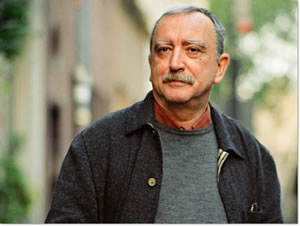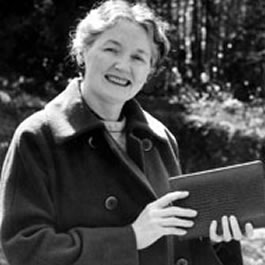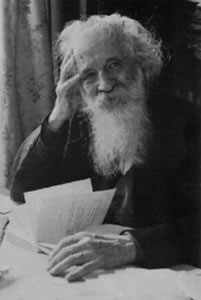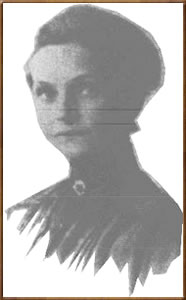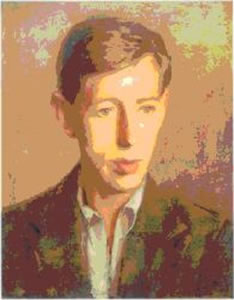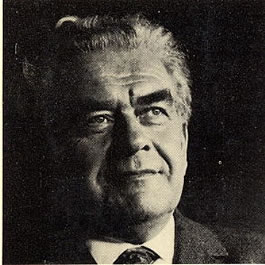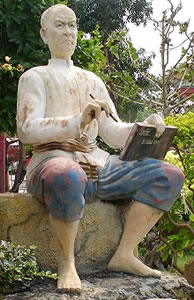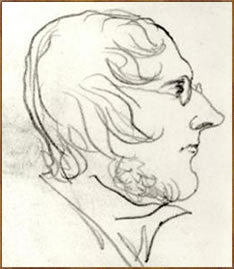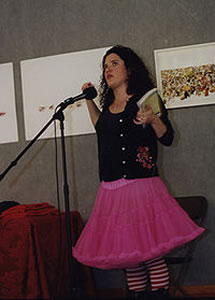
Mark Helprin, Jean-Jacques Rousseau, Luigi Pirandello, Otto Julius Bierbaum, A. E. Hotchner, Eric Ambler, Jürg Federspiel

De Amerikaanse schrijver en journalist Mark Helprin werd geboren in New York op 28 juni 1947. Zie ook alle tags voor Mark Helprin op dit blog.

Uit: Winter’s Tale

THERE WAS a white horse, on a quiet winter morning when snow covered the streets gently and was not deep, and the sky was swept with vibrant stars, except in the east, where dawn was beginning in a light blue flood. The air was motionless, but would soon start to move as the sun came up and winds from Canada came charging down the Hudson.
The horse had escaped from his master’s small clapboard stable in Brooklyn. He trotted alone over the carriage road of the Williamsburg Bridge, before the light, while the toll keeper was sleeping by his stove and many stars were still blazing above the city. Fresh snow on the bridge muffled his hoofbeats, and he sometimes turned his head and looked behind him to see if he was being followed. He was warm from his own effort and he breathed steadily, having loped four or five miles through the dead of Brooklyn past silent churches and shuttered stores. Far to the south, in the black, ice-choked waters of the Narrows, a sparkling light marked the ferry on its way to Manhattan, where only market men were up, waiting for the fishing boats to glide down through Hell Gate and the night.
The horse was crazy, but, still, he was able to worry about what he had done. He knew that shortly his master and mistress would arise and light the fire. Utterly humiliated, the cat would be tossed out the kitchen door, to fly backward into a snow-covered sawdust pile. The scent of blueberries and hot batter would mix with the sweet smell of a pine fire, and not too long afterward his master would stride across the yard to the stable to feed him and hitch him up to the milk wagon. But he would not be there.”

Helprin
Mark Helprin (New York, 28 juni 1947)


De Italiaanse schrijver Luigi Pirandello werd op 28 juni 1867 geboren in de villa ‘Caos’ (chaos) in de buurt van Agrigento. Zie ook alle tags voor Luigi Pirandello op dit blog.

Uit: The Late Mattia Pascal (Translator’s Note door Arthur Livingston)

“Shall we say that the theatre of Pirandello is a higher and more perfect expression of his peculiar art than his tales or his novels? That has been said.  And a certain body  of fact is there to support such a contention. It is Pirandello’s drama that has won him world-wide recognition, whereas his prose work, though for thirty years it has held him in a high position in Italian letters, remained national in circulation and even in Italy  was the delight of an elect few. Many of his comedies, besides, are reworkings of his short stories; as though he himself regarded the latter as incomplete expressions of the vision they contained. In the third place, one might say that since the novelty of Pirandello’s art consists rather in his method of dissecting life than in his judgment of life, his geometrical, symmetrical, theorematic situations are more vivid in the clashing dialogue of people on a stage than in the less animated form of prose narrative. These considerations do not all apply, however, to “The Late Mattia Pascal.”

That we have a first class drama in this
novel is evident from the fact that Pirandello himself used the amusing situation in the first part of the story as the theme of one of his Sicilian comedies: “Liolà”; and in a more important sense the book as a whole is to be counted among the sources that have inspired the “new” theatre in Italy . Chiarelli’s “The Mask and the Face” was a play that “made a school”; and that school, the “grotesque,” may be thought of as an offspring of “The Late Mattia Pascal.” The novel, also, falls naturally into a special place in the repertory of Pirandello’s more characteristic themes. It is a variation of the situation in “Henry IV”–where the mask, the fiction, is first offered by circumstances, then deliberately assumed, to be violently torn off in the case of Mattia Pascal, to be retained and utilized in the case of “Henry IV.”

luigipirandello
Luigi Pirandello (28 juni 1867 – 10 december 1936)

Buste in Palermo


De Franse schrijver, filosoof en componist Jean Jacques Rousseau werd geboren in Genève op 28 juni 1712. Zie ook alle tags voor Jean-Jacques Rousseau op dit blog.

Uit: Les Confessions

“Je n’avais pas encore assez de raison pour sentir combien les apparences me condamnaient, et pour me mettre à la place des autres. Je me tenais à la mienne, et tout ce que je sentais, c’était la rigueur d’un châtiment effroyable pour un crime que je n’avais pas commis. La douleur du corps, quoique vive, m’était peu sensible; je ne sentais que l’indignation, la rage, le désespoir. Mon cousin, dans un cas à peu près semblable, et qu’on avait puni d’une faute involontaire comme d’un acte prémédité, se mettait en fureur à mon exemple, et se montait, pour ainsi dire, à mon unisson. Tous deux dans le même lit nous nous embrassions avec des transports convulsifs, nous étouffions et quand nos jeunes coeurs un peu soulagés pouvaient exhaler leur colère, nous nous levions sur notre séant, et nous nous mettions tous deux à crier cent fois de toute notre force: Carnifex, Carnifex, Carnifex.

 Je sens en écrivant ceci que mon pouls s’élève encore; ces moments me seront toujours présents quand je vivrais cent mille ans. Ce premier sentiment de la violence et de l’injustice est resté si profondément gravé dans mon âme, que toutes les idées qui s’y rapportent me rendent ma première émotion, et ce sentiment, relatif à moi dans son origine, a pris une telle consistance en lui-même, et s’est tellement détaché de tout intérêt personnel, que mon coeur s’enflamme au spectacle ou au récit de toute action injuste, quel qu’en soit l’objet et en quelque lieu qu’elle se commette, comme si l’effet en retombait sur
moi. Quand je lis les cruautés d’un tyran féroce, les subtiles noirceurs d’un fourbe de prêtre, je partirais volontiers pour aller poignarder ces misérables, dussé-je cent fois y périr. Je me suis souvent mis en nage à poursuivre à la course ou à coups de pierre un coq, une vache, un chien, un animal que j’en voyais tourmenter un autre, uniquement parce qu’il se sentait le plus fort. Ce mouvement peut m’être naturel, et je crois qu’il l’est; mais le souvenir profond de la première injustice que j’ai soufferte y fut trop longtemps et trop fortement lié pour ne l’avoir pas beaucoup renforcé.

Là fut le terme de la sérénité de ma vie enfantine. Dès ce moment je cessai de jouir d’un bonheur pur, et je sens aujourd’hui même que le souvenir des charmes de mon enfance s’arrête là.”

 
Statuerousseau
Jean-Jacques Rousseau (28 juni 1712 – 2 juli 1778)

Standbeeld in Chambéry


De Duitse dichter en schrijver Otto Julius Bierbaum werd geboren op 28 juni 1865 in Grünberg. Zie ook mijn blog van 28 juni 2007 en ook mijn blog van 28 juni 2009.

Meine Frau unterm Ölbaum

Der Ölbaum: ein zarter Strauß, …
Wie aus grauen Seidenspitzen, …
Wie Silberschmiedarbeit sieht er aus,
Auf der schwarzblaue Edelsteine blitzen.

Stehst du darunter in dem Blumenkleide
Aus Indiens buddhabunter Seide,
Dann ist der ganze Garten ein Geschmeide.
Und, träume ich denn, was ich da seh?
Wen seh ich dort in Signor Bardis Haus
Vor seiner Staffelei im Türgevierte sitzen? –
Frate Giovanni da Fiesole!

Der weißen Kutte weite Ärmel sind
Den mageren Arm hinaufgeschlagen,
Und seine frommen braunen Augen fragen
Just seine Farbentiegel, ob für dich, mein Kind,
Sie auch genug der reinen Farben tragen.

Steh still, steh still! Und blicke klar und froh,
Gradaus, mich an! Aus deinen Augen lesen
Soll ferne Zeit noch, wie du gut und klar,
Wie schön und lauter du, wie treu und wahr
Dein starkes, liebevolles Herz gewesen!

Drum malt dich Fra Angelico.

Bierbaum-Otto-Julius

Otto Julius Bierbaum (28 juni 1865 – 1 februari 1910)


De Amerikaanse schrijver, en biograaf Aaron Edward Hotchner werd geboren op 28 juni 1920 in St. Louis. Zie ook mijn blog van 28 juni 2007 en ook mijn blog van 28 juni 2009.

Uit: Paul and Me: Fifty-three Years of Adventures and Misadventures with My Pal, Paul Newman

Paul Newman and I first met in 1955 in a funeral parlor on La Cienega Boulevard in Hollywood. There were sample coffins in the anteroom, but the large viewing room beyond had been stripped of its funereal paraphernalia and instead outfitted for the rehearsal of The Battler, a television drama I had written based on a Hemingway short story. It was my first television play and, as it turned out, it became a fortuitous launching pad for Paul’s career as well as my own. We were in this mortuary because NBC had run out of rehearsal space, and this bizarre spot was the best they could do.
 Both Paul and I were at the start of our respective careers and each of us had come to a halt. Paul had been brought up in Shaker Heights, an affluent suburb of Cleveland. He had been in a dozen or so plays at Kenyon College, and after graduation he had performed in summer stock—once playing the gentleman caller in Tennessee Williams’s The Glass Menagerie. He later enrolled in Yale University School of Drama, where in Shaw’s Saint Joan he was required to weep onstage. As Paul told me years later, “The muscles contracted in my stomach, and immediately I tried to figure out some way to play the whole thing facing upstage. And then I thought, What an ass. I drag my family—I had married an actress I had met when I was in Woodstock summer theater and had a son with her—with only nine hundred dollars in the bank, all the way to Connecticut, and then think of all the ways I can cop out. At the time I was living in a boardinghouse, and I took that script downstairs to the boiler room and I said, Okay buddy, you are going to sit here until you find out where it is going to come from or you get out of this business right now. I did the part and my tears arrived on cue.”

Hotchner
A.      E. Hotchner (St. Louis, 28 juni 1920)


De Engelse schrijver Eric Ambler werd geboren op 28 juni 1909 in Londen. Zie ook mijn blog van 28 juni 2009.

Uit: Judgment on Deltchev

Where treason to the state is defined simply as opposition to the government in power, the political leader convicted of it will not necessarily lose credit with the people. Indeed, if he is respected or loved by them, his death at the hands of a tyrannical government may serve to give his life a dignity it did not before possess. In that event his enemies may in the end be faced not by the memory of a fallible human being but by a myth, more formidable than the real man could ever have been, and much less vulnerable. His trial, therefore, is no formality, but a ceremony of preparation and precaution. He must be discredited and destroyed as a man so that he may safely be dealt with as a criminal. Sometimes he is induced to confess abjectly to the crimes of which he is accused; but unless he has himself been a member of the party that now seeks to destroy him, such confessions are not always believed by the people; and when, for example, he is the leader of an unliquidated opposition party, it is better to observe outwardly the old legal forms, to bring witnesses, produce evidence, and let him try to defend himself.
So it was with Nikolai Petkov in Bulgaria, with Julius Maniu and Ion Mihalache in Rumania, and with many other liberals in Eastern Europe. Petkov they hanged. Maniu and Mihalache were condemned to solitary confinement for life. When Yordan Deltchev’s trial took place, the pattern for such occasions had been already set.
The charges against him were of ’treason and the preparation of a terrorist plot to assassinate the head of the state’. The trial began before a People’s Court on the 11th of June. He was described in the indictment as ‘president of the Agrarian Socialist Party and formerly a member of the Provisional Government of National Unity’. In fact, he had been head of that government and also its Foreign Minister. He was still the leader of the only effective opposition to the People’s Party regime that remained.

eric_ambler

Eric Ambler (28 juni 1909 – 22 oktober 1998)


Zie voor onderstaande schrijvers ook mijn blog van 28 juni 2007.

De Zwitserse dichter en schrijver Jürg Federspiel werd geboren op 28 juni 1931 in Kemptthal.


Lucille Clifton, Rafael Chirbes, Marcus Jensen, E. J. Potgieter, Kees Ouwens, Dawud Wharnsby

De Amerikaanse dichteres en schrijfster Lucille Clifton werd geboren in New York op 27 juni 1936. Lucille Clifton overleed op 13 februari van dit jaar. Zie ook mijn blog van 27 juni 2009.


adam thinking 


she

stolen from my bone

is it any wonder

i hunger to tunnel back

inside desperate

to reconnect the rib and clay

and to be whole again


some need is in me

struggling to roar through my

mouth into a name

this creation is so fierce

i would rather have been born 


climbing 


a woman precedes me up the long rope.

her dangling braids the color of rain.

maybe i should have had braids.

maybe i should have kept the body i started,

slim and possible as a boy’s bone.

maybe i should have wanted less.

maybe i should have ignored the bowl in me

burning to be filled.

maybe i should have wanted less.

the woman passes the notch in the rope

marked Sixty. I rise toward it, struggling,

hand over hungry hand.


memory 


ask me to tell how it feels

remembering your mother’s face

turned to water under the white words

of the man at the shoe store. ask me,

though she tells it better than i do,

not because of her charm

but because it never happened

she says,

no bully salesman swaggering,

no rage, no shame, none of it

ever happened.

i only remember buying you

your first grown up shoes

she smiles. ask me

how it feels.


lucille-clifton

Lucille Clifton (27 juni 1936 – 13 februari 2010)


De Spaanse schrijver Rafael Chirbes werd geboren op 27 juni 1949 in Tabernes de Valldigna bij Valencia. Zie ook mijn blog van 27 juni 2007 en ook mijn blog van 27 juni 2008 en ook mijn blog van 27 juni 2009.


Uit: Oude vrienden (Vertaald door Eugenie Schoolderman)


‘Het kapitalisme zal vallen wanneer de bankiers elkaar beginnen te vermoorden, wanneer de generaals elkaar afslachten,’ zeg ik tegen Guzmán, en op dat moment bedenk ik opeens dat ik hier naartoe wilde en deze mensen terug wilde zien omdat dat betekende dat ik Elisa weer zou ontmoeten, dat ik weer met haar samen zou zijn, en ik schrik van die gedachte. Het boezemt me angst in dat te denken, maar ik denk het en zeg geschokt bij mezelf ‘nee, het kan niet daarom zijn geweest dat ik me zo uitgesloofd voor dit absurde etentje’. Naar Madrid komen met als enige bedoeling de punt van onze pinken op elkaar te leggen en met onze handen een kring op de ronde tafel te vormen, zodat er dan plotseling huiveringwekkende klopsignalen te horen zijn in het hout, een geluid zoals van voetstappen, de voetstappen van kapitein Ahab op het dek van de walvisvaarder; doffe voetstappen in de nacht die Elisa bewoont, en dat zij dan gaat praten, en zich materialiseert door al die energie die is vrijgekomen uit het verleden en zich weer aan mij vertoont; het gekristalliseerde verleden gestold tot de stem van de Commandeur, hard steen. De nacht snijdt als een donker mes in de dag. De eeuwige nacht dringt de onbeduidende, voorbijgaande nacht binnen. Ik zet die belachelijke gedachte van me af, ik denk aan wat de revolutie voor ons heeft betekend als vorm van ontzegging, met haar christelijke wortels. Ik denk: dit gedaan hebben en niet het andere, de christelijke opoffering. Werken, als je het niet voor je plezier doet, dan toch zeker uit vertwijfeling. Werk, een gevecht tegen de geest; het werk als vorm van vergeten, een strijd tegen de aftocht van de ziel. Ik verdedig me tegenover Guzmán en zijn zoons: ‘Wat me nog het minst interesseert van mijn werk is het geld. Snappen jullie het niet? Ik heb plezier in wat ik doe. Ik werk omdat werken het minst saaie is om te doen, heel wat minder saai dan je vermaken.’ En zo wordt de projectontwikkelaar de erfgenaam van de jongeman die Guzmán heeft gekend; maar ik weet dat dit hier, dit constante gevecht, geen echt lijden is, maar alleen wat ongemak, en dat het geen ander doel heeft dan de boel gaande te houden.”


Chirbes

Rafael Chirbes (Tabernes de Valldigna, 27 juni 1949)


De Duitse schrijver Marcus Jensen werd geboren op 27 juni 1967 in Hamburg. Zie ook mijn blog van 27 juni 2007 en ook mijn blog van 27 juni 2008 en ook mijn blog van 27 juni 2009.


Uit: Oberland


Alle Achtung: Nach ein paar Schrecksekunden, mit aufgerissenen Augen, fasse ich mich und feuere den Wind sogar an, ich Würmchen. Ich schreie ihm zu, noch stärker zu werden, höhere Wellen zu werfen in dieser Kraterlandschaft, komm her, komm her, irgendein Gebrüll stoße ich hervor, kriege keinen Ton mehr zustande, halte bloß den Mund offen. Für einen Moment ist das Schiff eingependelt, ich hebe die Arme, als hielte ich mich für einen Propheten. Schon pustet eine gezielte Böe die kleine Kindermasse gegen die Bordwand, das gibt einen satten Gongschlag. Die Fähre schwankt nach vorn, der geriffelte Metallboden gleitet unter mir weg, rollt mich heulendes Bündel ein paar Meter vorwärts, während ich käferartig mit Armen und Beinen rudere. Dann schaffe ich es, mich an der Reling hochzuziehen, an der Führungsschiene. Seespritzer fliegen über mein Gesicht wie ein Tränensturzbach, ich bibbere in den vollgesogenen Anorak. Bepackt mit eisigem Wasser, weinend, aber tapfer, Hand um Hand, gleite ich Richtung Bug, zur besten Aussicht.
Eigentlich gebe ich eine gute Figur ab, und perfekt wäre ich, wenn ich jetzt auf die Idee käme, mich abzustützen, Schwung zu nehmen und einfach seitwärts ins Meer zu hüpfen. Als müsste ich beim Sportunterricht, genannt Leibeserziehung, die verdammte Nummer am Barren turnen, ohne Hilfestellung: ausholen, rüber, freier Fall, platsch, und meine Lebensgeschichte dürfte vor der Zeit enden. Biographischer Schleichweg gefällig? Hier entlang. Stattdessen quäle ich mich Meter für Meter bis zur keilförmigen Spitze. Na los, weiter, mach dein Ding, sagte der Show-Käpt’n. In Sichtweite ragt der Wimpelmast aus dem Wetter, mit einer hilflos zuckenden deutschen Fahne dran.
Unter ihr schimmern Farbtupfer.

Vier gebauschte Gummimäntel, in denen Erwachsene stecken, mitten auf dem ungeschützten Vorderdeck, wo der Regen ihre Umrisse verwischt. Hinter dem Schiff blitzt es, Spot an, und die Saisonfarben der Zeit leuchten: das modische Müllabfuhr-Orange, das Hustenbonbon-Hellblau, und zweimal das Bundespost-Gelb. Die vier stehen um eine Seilwinde herum, halten ihre Hände zu einem Ring und jauchzen bei jeder Böe, die einen Salzwasserschauer über sie schüttet. Ich komme näher. Drei Männer und eine Frau. In der Gischt verblassen sie wie ein gestörtes Bild, strahlen wieder auf, wenn das Meer von ihren Jacken abfließt. Dann sehen sie mich. Die vier rufen etwas, umfassen ihre Schultern, beugen sich gemeinsam, bilden ein Sportlerknäuel, lachen gegen den Wind, was das Zeug hält:
»Eins!… Zwei!… Drei!«


Jensen

Marcus Jensen (Hamburg, 27 juni 1967)


De Nederlandse schrijver Everhardus Johannes Potgieter werd geboren in Zwolle op 27 juni 1808. Zie ook mijn blog van 27 juni 2007 en ook mijn blog van 27 juni 2008 en ook mijn blog van 27 juni 2009.


Uit: De letterkundige bentgenooten te Parijs


„Wanneer wij u verklaren, lezer, dat wij die woorden van één der grootste vernuften der zestiende eeuw, ook in onzen tijd, nog op Parijs toepasselijk houden, zult gij ons niet van het doel verdenken, u in Frankrijks hoofdstad eene school der zeden te willen doen zien. Zij was dit – indien wij de geschiedenis met vrucht lazen – zoo min in de dagen van den ridderlijken Frans I, als in die van den bijgeloovigen Karel IX; even weinig onder het bestuur van den grooten Hendrik, als onder dat van den grooten Lodewijk, en minst van alle tijden in de laatste levensdagen van den opvolger van dezen. Zoo gij ons vroegt, waarom zekere goede lieden te onzent, die het hevigst tegen het hedendaagsch Parijs uitvaren, bijna nooit van dat tijdperk spreken, wij zouden u antwoorden: ‘dewijl zij in de eerste Omwenteling geene Nemesis willen erkennen, die wraak nam over de gruwelen, toen bedreven.’ Wij zouden er bijvoegen: ‘dewijl de brave gemeente bij den naam van Robespierre siddert, zoo als onze voorzaten het bij het woord Ducdalf deden, en de menschen slechts groote kinderen zijn, die men het gemakkelijkst overtuigt, wanneer men hen bang heeft gemaakt.’ Doch wie weet, of gij het ons wel eens vraagt?

Pour revenir à nos moutons, hoe zoude Parijs in onze dagen een toonbeeld van voortreffelijkheid kunnen zijn? Veertig jaren in twist en strijd van allerlei meeningen doorgebragt, verdwaasden ook dáár meer hoofden, door overdreven begrippen, dan zij harten voor het goede, edele en schoone ontvlamden. Er worden maanden vereischt, om de hulk, die schipbreuk leed, in eenen dragelijken toestand te herstellen: pas het beeld op Frankrijk toe, waarvan Parijs het roer heeten mag, en beslis, indien gij het durft, hoe vele jaren er noodig zijn, om de sporen van zóó veel ongenade van stormen en golven uit te wisschen? Niets is gemakkelijker, dan er het oog met verachting van af te wenden; niets is onverstandiger tevens: want datzelfde Parijs is de modeprent van Europa; want van Stockholm tot Konstantinopel aapt men de zeden der Franschen na. Van daar, dat wij het niet ongepast houden, van tijd tot tijd, eenen blik op de tegenwoordige Fransche litteratuur te slaan, ter waarschuwing ja, voor het kwade, dat haar aankleeft, maar ook ter waardering van het goede, dat zij bezit.“


potgieter

Potgieter (27 juni 1808 – 3 februari 1875)


De Nederlandse dichter Kees Ouwens werd geboren op 27 juni 1944 in Zeist. Zie ook mijn blog van 27 juni 2006 en ook mijn blog van 27 juni 2007  en ook mijn blog van 27 juni 2008 en ook mijn blog van 27 juni 2009.


Gisteren…

Gisteren was ik in de werkelijkheid van anderen
Naar anderen gemaakt is die natuurlijk zelf
Maar alle daden komen uit hun handen
En het is ze aan te zien waartoe zij dienen

Morgen zal alles verschillen van vandaag wijder
Dan hemelsbreed. En de anderen, verbeurd geworden,
Herkennen zich niet in de lateren. Maar of zij verblijven
Onder derden kunnen, is de vraag

En het antwoord woekert met de wildgroei van tentakels


Uit de diepten

Bij een huis stond ik stil.
Er brandde geen licht, noch
zag ik ramen, wel klonk een stem
als uit de diepten.
Uit de diepten steeg een schraal
gezang, was het dat
dat mijn oor verdoofde?
En vervolgens vervolgde ik
mijn weg. Hoe klonk dit grapje in
de zwartste duisternis? En stond
inderdaad dit plompverloren huis zo zonder raam
in de leegte, zonder licht?
Ach, geweeklaag, het is alom ellende
en diepste droefenis en over de
akkers galmt een klagerig gejank, want
ik kom daar aan en daar
en daar mijn bloedend hart
bevuilt mijn broek.

Ouwens

Kees Ouwens (27 juni 1944 – 24 augustus 2004)
Portret door Lucia Binnenkort


De Canadese dichter, singer-songwriter, performer en sociale activist. Dawud (David) Wharnsby Ali werd geboren op 27 juni 1972 in Kitchener, Ontario. Hij treedt vaak op scholen en universiteiten op, waarbij hij zich inzet voor tolerantie, diversiteit en sociale cohesie. Zie ook mijn blog van 27 juni 2009.


Let Me In On Your Secrets


Women give me loose-leaf sheets
of poetry to read.
Their hearts are open for me to explore.
I walk quietly through the rows of words,
my eyes groping the private parts of their past.
I am not the one to prescribe penance or provide therapy,
for I too am a romantic, lonely soul
in need of strong eyes to hold my paper,
and read my poem.


dawud-wharnsby

Dawud Wharnsby (Kitchener, 27 juni 1972)


Zie voor nog meer schrijvers van de 27e juni ook mijn vorige blog van vandaag.


Zsuzsanna Gahse, João Guimarães Rosa, Catherine Cookson, Gaston Bachelard, James Woodforde, Helen Keller

De Duitse schrijfster en vertaalster Zsuzsanna Gahse werd op 27 juni 1946 in Boedapest geboren. Zie ook mijn blog van 27 juni 2007 en ook mijn blog van 27 juni 2008 en ook mijn blog van 27 juni 2009.

Uit: Nachher klappt es aber


„Die viel gerühmten guten und schlechten Nachrichten betreffen auch die Sprache, vielleicht sogar sie am ehesten (da doch solche Nachrichten nur mit Hilfe der Sprache mitgeteilt werden können).

Zuerst die schlechte Nachricht: Keine einzige Sprache kann alles ausdrücken.

Immer wieder verzweifelt man schier, weil man etwas Besonderes sagen möchte, aber es klappt nicht. Wörter fehlen, der richtige Satz fehlt, und nun geht die Suche los, die Untersuchung aller Wörter, die Versuchung, den erwünschten Satz einfach wieder aufzugeben, aber zum Schluss fällt einem (hoffentlich) ein halbwegs gutes neues Wort ein.

Damit ist schon gesagt, dass selbst die schlechte Nachricht positiv ist, denn die Sprache ist klug, erfinderisch, sie nähert sich gerne den Ideen der Redenden und lässt sich verändern. Und die von vornherein gute Nachricht ist, dass unsere oft als spröd bezeichnete deutsche Sprache, der man Kopflastigkeit und Kälte nachsagt, in Wirklichkeit elastisch ist, zudem ist sie lautmalerisch, bis hinein in ihre Welt der Buchstaben.

Das Wort kahl ist wirklich kahl, öd ist wirklich öd, rot ist rot und hängt mit rösten zusammen, das spürt jeder, auch wenn er nicht daran denkt.

Wimmern, winseln, quieken sind einleuchtende Beispiele für die Lautmalerei; drei Beispiele aus einer endlos langen Reihe. Auch stur ist ein gutes Wort, weil da förmlich zu sehen ist, wie sich jemand bockig sträubt, um nicht viel denken zu müssen.

Stur also. Und stehen, stecken, starren, Stock, Stapel, stellen, stumm; bei jedem einzelnen ST-Wort stolpert und stockt die Bewegung, man hört es, spürt es auch im Mund. Dieses ST ist ein gelungener alter Doppellaut, der nie korrigiert werden musste und der ein uraltes indogermanisches (indoeuropäisches) Grundgefühl transportiert. Er taucht auch im italienischen stare auf, im englischen to stay, im russischen stajatj.“


gahse

Zsuzsanna Gahse (Boedapest, 27 juni 1946)


De Braziliaanse schrijver João Guimarães Rosa werd geboren op 27 juni 1908 in Cordisburgo, Minas Gerais. Zie ook mijn blog van 27 juni 2009.


Uit: The Audacious Mariner (Vertaald door J.L. Taylor en Harriet De Onis)


„The Aldacious Mariner, he did infirmly go off to discover the other places. He went in a ship, and skulduggery, too. He went on his own. The places were far-off, and the sea. The Aldacious Mariner at first missed his mother, his brothers and sisters, his father. He didn’t cry. He did duly have to go. He said: — ‘Will you forget me?’ His ship, the day came for it to leave. The Aldacious Mariner stood waving his white handkerchief, extrinsically, from inside the ship’s going away. The ship went from being near to being far off, but the Aldacious Mariner didn’t turn his back on the people, away from them. The people were actually waving white handkerchieves too. In the end, there was no more ship to be seen, there was only the sea that was left. Then one of them thought and said: — ‘He’s going to discover the places that we’re never going to discover…’ Then, so then, another person said: — ‘He’s going to discover the places, then he’s never going to come back…’ Then yet another one thought and thought, spherically, and said: — ‘So, he must be a bit angry with us, deep down, without knowing it…’ Then they all cried, ever so much, and went home sadly to have their dinner…“


Rosa

João Guimarães Rosa (27 juni 1908 – 19 november 1967)


De Engelse schrijfster Catherine Cookson (pseudoniem van Kate McMullen) werd geboren in Tyne Dock, County Durham op 27 juni 1906. Zie ook mijn blog van 27 juni 2007 en en ook mijn blog van 27 juni 2009.


Uit: Kate Hannigan’s Girl


„Annie stood gripping her bicycle and staring wide-eyed at the tall, auburn-haired boy leaning nonchalantly across his saddle.
‘What did Cathleen Davidson tell you?’ she asked.
‘Well, if I tell you you’ll jump down my throat.’
‘No I won’t.’ Without taking her eyes from his she flicked her head from side to side, throwing the long silvery plaits over her shoulders.
‘Your hair’s marvellous,’ he said.
‘What did Cathleen say about me?’ Annie asked again, a nervous tremor passing over her face.
‘Well, if I tell you, will you promise to go with me?’
‘Go with you? Oh, I can’t.’ Annie stared at him, aghast. ‘You’re nearly sixteen. And…and there’s Cathleen.’
‘Oh, very well.’ He shrugged his shoulders and ran his hand through his wavy hair.
‘Yes I will. All right, then, Brian.’ The words came with a rush.
‘Well…’ His eyes moving over her face, from the fringe above the wide green eyes to the large, curving mouth, Brian was savouring the effect of his coming words: ‘Well, she said your mother and stepfather aren’t really married.’
‘What!’ This was new; she hadn’t expected to hear this.
‘That’s what she said.’
‘Oh, the wicked thing. They are married; I was there when they were married. It was the day after New Year’s Day, nearly four months ago.’
‘Were you really there?’
‘Yes, I was!’ she said with emphasis.“


cookson

Catherine Cookson (27 juni 1906 – 11 juni 1998)


De Franse filosoof en dichter Gaston Bachelard werd geboren op 27 juni 1884 in Bar-sur-Aube. Zie ook mijn blog van 27 juni 2007 en en ook mijn blog van 27 juni 2009.


Uit: Le Droit de rêver


“Pour un philosophe, les premières pages de son livre sont difficiles et graves, car elles l’engagent trop. Le lecteur les veut pleines, claires, rapides, faute de quoi il les taxe de littérature. Le lecteur veut aussi qu’elles lui paraissent directes, c’est-à-dire rattachées à ses propres problèmes, ce qui suppose un accord des esprits, accord que la tâche du philosophe est précisé- ment de mettre en question. La première page est à peine achevée, et voici le fil en filière. On n’a plus le temps de se reprendre, de rectifier, de recommencer. Et, pourtant, si la philosophie est l’étude des commen- cements, comment s’enseignera-t-elle sans de patients recommencements ? Dans l’ordre de l’esprit, com- mencer, c’est avoir la conscience du droit de recom- mencer. La philosophie est une science des origines voulues. A cette condition, la philosophie cesse d’être descriptive pour devenir un acte intime.”


Bachelard

Gaston Bachelard (27 juni 1884 – 16 oktober 1962)


De Engelse dagboekschrijver en geestelijke James Woodforde werd geboren in Ansford op 27 juni 1740. Zie en ook mijn blog van 27 juni 2009.


Uit: The Diary of a Country Parson 1758 – 1802


„I walked up to the White Hart with Mr. Lewis and Bill to see a famous Woman in Men’s Cloaths, by name Hannah Snell, who was 21 years as a common soldier in the Army, and not discovered by any as a woman. Cousin Lewis has mounted guard with her abroad. She went in the Army by the name of John Gray. She has a pension from the Crown now of 18. 5. 0 per annum and the liberty of wearing Men’s Cloaths and also a Cockade in her Hat, which she still wears. She has laid in a room with 70 soldiers and not discovered by any of them. The forefinger of her right hand was cut of by a Sword at the taking of Pondicherry. She is now about 60 yrs of age and talks very sensible and well, and travels the country with a Basket at her back, selling Buttons, Garters, laces etc. I took 4 Pr of 4d Buttons and gave her 0. 2. 6. (21 May 1778).“


woodforde

James Woodforde (27 juni 1740 – 1803)


De Amerikaanse schrijfster Helen Keller werd geboren in Tuscumbia, Alabama op 27 juni 1880. Zie ook mijn blog van 27 juni 2007 en ook mijn blog van 27 juni 2009.

Uit: The Story of My Life


It is with a kind of fear that I begin to write the history of my life. I have, as it were, a superstitious hesitation in lifting the veil that clings about my childhood like a golden mist. The task of writing an autobiography is a difficult one. When I try to classify my earliest impressions, I find that fact and fancy look alike across the years that link the past with the present. The woman paints the child’s experiences in her own fantasy. A few impressions stand out vividly from the first years of my life; but “the shadows of the prison-house are on the rest.” Besides, many of the joys and sorrows of childhood have lost their poignancy; and many incidents of vital importance in my early education have been forgotten in the excitement of great discoveries. In order, therefore, not to be tedious I shall try to present in a series of sketches only the episodes that seem to me to be the most interesting and important.
I was born on June 27, 1880, in Tuscumbia, a little town of northern Alabama.
The family on my father’s side is descended from Caspar Keller, a native of Switzerland, who settled in Maryland. One of my Swiss ancestors was the first teacher of the deaf in Zurich and wrote a book on the subject of their education-rather a singular coincidence; though it is true that there is no king who has not had a slave among his ancestors, and no slave who has not had a king among his.
My grandfather, Caspar Keller’s son, “entered” large tracts of land in Alabama and finally settled there. I have been told that once a year he went from Tuscumbia to Philadelphia on horseback to purchase supplies for the plantation, and my aunt has in her possession many of the letters to his family, which give charming and vivid accounts of these trips.
My Grandmother Keller was a daughter of one of Lafayette’s aides, Alexander Moore, and granddaughter of Alexander Spotswood, an early Colonial Governor of Virginia. She was also second cousin to Robert E. Lee.”


keller

Helen Keller (27 juni 1880 – 1 juni 1968)


Jacqueline van der Waals, Aimé Césaire, Yves Beauchemin, Elisabeth Büchle, Laurie Lee, Pearl S. Buck

De Nederlandse dichteres Jacqueline Elisabeth van der Waals werd geboren op 26 juni 1868 in Den Haag. Zie ook alle tags voor Jacqueline van der Waals op dit blog.


Liefdehonger

Ik heb zulk een honger naar liefde,
Toch spreek ik er niemand van.
Mijn hart is zo trots, dat ik niemand
Er iets van vertellen kan.

Waarom is dat hart zo hoogmoedig,
En toont het zijn armoede niet?
Men geeft toch zo graag van zijn weelde,
Als men honger en armoede ziet.

Eén enkele blik was voldoende,
Een blik, die ’t verlangen verraadt.
Een hand tot ontvangen geopend,
Een hart, dat zich weldoen laat.

Maar Hoogmoed verbiedt mij die houding,
Hij is voor een weigering bang
En dwingt mij zo rustig te lopen,
Met kalm, zelf genoegzame gang.

En ondertussen versmacht ik
Naar liefde. Maar waartoe die klacht?
De trots, die mij eenzaam doet lijden,
Die geeft ook tot lijden de kracht.


Wanklank

Dagelijks meer eerzuchtig
En minder in staat tot iets groots,
Telkens wanhopender roepend
Om kracht of de kalmte des doods,
Dagelijks vuriger wenschend
Naar schoonheid, gezondheid en vreugd,
Dagelijks ouder en bleeker,
En verder van blijdschap en jeugd –
Ik zit in de bloeiende velden,
Die schittren van zonneschijn,
En alles is jeugdig en vrolijk –
Ik schaam mij hier buiten te zijn!

waals

Jacqueline van der Waals (26 juni 1868 – 29 april 1922)


De Afrocaraïbische schrijver en politicus Aimé Césaire werd geboren op 26 juni 1913 in Basse-Pointe, Martinique. Zie ook alle tags voor Aimé Césaire op dit blog.


Partir

Comme il y a des hommes-hyènes et des hommes-
panthères, je serais un homme-juif
un homme-cafre
un homme-hindou-de-Calcutta
un homme-de-Harlem-qui-ne-vote-pas

l’homme-famine, l’homme-insulte, l’homme-torture
on pouvait à n’importe quel moment le saisir le rouer
de coups, le tuer – parfaitement le tuer – sans avoir
de compte à rendre à personne sans avoir d’excuses à présenter à personne
un homme-juif
un homme-pogrom
un chiot
un mendigot

mais est-ce qu’on tue le Remords, beau comme la
face de stupeur d’une dame anglaise qui trouverait
dans sa soupière un crâne de Hottentot?


Tam-tam de nuit

train d’okapis facile aux pleurs la rivière aux doigts charnus fouille dans le cheveu des pierres mille lunes miroirs tournants mille morsures de diamants mille langues sans oraison fièvre entrelacs d’archet caché à la remorque des mains de pierre chatouillant l’ombre des songes plongés aux simulacres de la mer

Cesar

Aimé Césaire (26 juni 1913 – 17 april 2008)


De Canadese schrijver Yves Beauchemin werd geboren op 26 juni 1941 in Rouyn-Noranda, Quebec. Zie ook alle tags voor Yves Beauchemin op dit blog.

Uit: Du sommet d’un arbre

22 février 1983

L’effet d’hélicoptère

Je devais avoir 8 ou 9 ans. C’était l’été. Le soir commençait à tomber. Je jouais dehors, devant la maison, avec mon frère et des amis, sur le chemin bordé de sable fin qui traversait le village. Le soleil couchant nous cuisait la peau. Nos cheveux étaient mouillés de sueur. J’entrai dans la cuisine prendre un verre d’eau.

Mon père ou ma mère avait installé sur notre nouveau combiné Électrohome – orgueil de la famille – la Cinquième de Beethoven dirigée par Toscanini. C’était encore l’époque des 78 tours. Je revois encore le gros album à couverture cartonnée qui contenait les quatre disques de la symphonie. Un artiste à tendances quelque peu hystériques l’avait illustré en aplats aux couleurs vives. Beethoven, l’air sinistre, se promenait courbé dans la tempête, les mains ramenées dans le dos. Derrière lui, la foudre venait de frapper un arbre noir et dénudé sur le haut d’une colline.

À mon irruption dans la cuisine, tout essouflé, la gorge comme du carton , à des milliers d’années-lumière de ce monsieur Beethoven de Vienne et de ses ennuis psycho-météorologiques, le deuxième mouvement commençait, cette espèce de marche solennellle, émouvante et recueillie que je me suis répétée dans ma tête des milliers de fois sans jamais me lasser. J’arrêtai net au milieu de la cuisine et, mine de rien, me mis à écouter. Jamais je n’avais rien senti de pareil. Je connaissais le plaisir de la lecture. Mais il s’agit d’un plaisir lent, qui se construit page après page en nous, indifférent à nos yeux affamés qui voudraient dévorer le livre d’un coup. Tandis que là…c’était l’extase…l’impression de posséder la terrre et les étoiles, de dépasser le temps…Une foule de choses mystérieuses,
d’une beauté incroyable, se déroulaient simultanément en moi….Un orchestre (je ne savais probablement pas à l’époque ce que ce mot voulait dire), cette machine humaine si puissante et si étrange, télécommandée par monsieur Beethoven de Vienne, racontait quelque chose d’infiniment simple et complexe à la fois, qui avait figé sur place dans son village d’Abitibi un petit garçon de 8 ans aux souliers remplis de sable.

Beauchemin

Yves Beauchemin (Rouyn-Noranda, 26 juni 1941)


De Duitse schrijfster Elisabeth Büchle werd geboren op 26 juni 1969 in Trossingen, Baden-Württemberg. Zie ook alle tags voor Elisabeth Büchle op dit blog.

Uit: Im Herzen die Freiheit

„Fröhliche Tanzmusik drang vom Park ins Foyer und lockte die neu eintreffenden Gäste hinaus. Das Klirren des Geschirrs und das glockenhelle Lachen einiger junger Frauen war bereits zu hören und die fröhlich tanzenden Lichter der im Park aufgehängten bunten Papierlampions, die bis in die Eingangshalle hineinschienen, taten ihr Übriges, um den beiden jungen Männern zu zeigen, wo sie erwartet wurden. 

Der etwas Schmächtigere der beiden hängte seinen Hut an einen der dafür vorgesehenen Haken und fuhr sich mit beiden Händen durch die blonden Locken – ein vergeblicher Versuch, diese ein wenig zu bändigen. Sein Begleiter grinste ob dieser Bemühungen.

„André! Wunderbar, dass du es doch noch einrichten konntest, zur Hochzeit meiner Tochter zu kommen.“ Raphael Leroux kam auf die beiden zu. „Herzlich willkommen im Hause Leroux. Ich weiß, Dominique wäre sehr enttäuscht gewesen, wenn du ihrer Einladung nicht hättest nachkommen können.“

„Dominique sicherlich, Raphael. Doch wie sieht es mit ihrem Ehemann aus?“

„Wir müssen ihm ja nicht verraten, dass seine Frau jahrelang für dich geschwärmt hat, nicht wahr, André?“

„Lieber nicht. Ich möchte nicht, dass sich der glückliche Bräutigam gezwungen sieht, an seinem Hochzeitstag ein Duell auszufechten“, lachte André und wandte sich seinem Begleiter 60 zu, der das kurze Gespräch aufmerksam verfolgt hatte. „Du erinnerst dich sicher an Mathieu Bouchardon, Raphael?“

„Aber sicher! Madame Bouchardons Enkel. Herzlich willkommen in New Orleans und im Hause Leroux, Monsieur Bouchardon. Sie waren lange fort.“

„Das stimmt, Monsieur Leroux. Ich war beinahe noch ein Kind, als ich zu meiner Schwester und deren Familie nach New York gezogen bin.“

„Aber New Orleans lockt immer wieder, nicht wahr?“

„Die Stadt und natürlich auch meine Großmutter, die nicht mehr die Jüngste ist – wobei sie mir diese Bemerkung sicherlich nicht verzeihen würde, Monsieur.“

Raphael lachte und nickte. Mathieu Bouchardons Großmutter war im Vieux Carré* als sehr energische Frau bekannt.“

„Bitte, gehen Sie doch schon in den Garten. Ich muss noch kurz nach oben und nach meiner Frau sehen.“ Der Hausherr deutete einladend auf die offen stehende Terrassentür und verschwand dann über die Stufen in den oberen Stock.“

ElisabethBüchle

Elisabeth Büchle (Trossingen, 26 juni 1969)


De Engelse dichter en schrijver Laurence Edward Alan “Laurie” Lee werd geboren in Stroud, Gloucestershire op 26 juni 1914. Zie ook alle tags voor Laurie Lee op dit blog.


Apples 

Behold the apples’ rounded worlds:
juice-green of July rain,
the black polestar of flowers, the rind
mapped with its crimson stain.

The russet, crab and cottage red
burn to the sun’s hot brass,
then drop like sweat from every branch
and bubble in the grass.

They lie as wanton as they fall,
and where they fall and break,
the stallion clamps his crunching jaws,
the starling stabs his beak.

In each plump gourd the cidery bite
of boys’ teeth tears the skin;
the waltzing wasp consumes his share,
the bent worm enters in.

I, with as easy hunger, take
entire my season’s dole;
welcome the ripe, the sweet, the sour,
the hollow and the whole.


Milkmaid 

The girl’s far treble, muted to the heat,
calls like a fainting bird across the fields
to where her flock lies panting for her voice,
their black horns buried deep in marigolds.

They climb awake, like drowsy butterflies,
and press their red flanks through the tall branched grass,
and as they go their wandering tongues embrace
the vacant summer mirrored in their eyes.

Led to the limestone shadows of a barn
they snuff their past embalmed in the hay,
while her cool hand, cupped to the udder’s fount,
distils the brimming harvest of their day.

Look what a cloudy cream the earth gives out,
fat juice of buttercups and meadow-rye;
the girl dreams milk within her body’s field
and hears, far off, her muted children cry.

Laurie_Lee

Laurie Lee (26 juni 1914 – 13 mei 1997)


De Amerikaanse schrijfster Pearl S. Buck werd geboren in Hillsboro West-Virginia, op 26 juni 1892. Zie ook alle tags voor Pearl S. Buck op dit blog.

Uit: Of Men and Women

“Curriculum subjects in themselves will have to be revised. History, for example, has always been taught as the work of man. When woman appears in it she is either a queen, of little practical use, or a rebel smashing up furniture or praying in saloons. The truth has never been told about women in history: that everywhere man has gone woman has gone too, and what he has done she has done also. Women are ignorant of their own past and ignorant of their own importance in that past. In curiosity a few months ago I asked a haphazard score of women of my acquaintance if they had heard of Elizabeth Cady Stanton. Only one had even heard her name, and she had no recollection of more. Yet only a generation ago Elizabeth Cady Stanton was called the greatest woman in the United States, and by some the greatest in the world. If women are as ignorant as this of themselves they can scarcely expect men to know more. But if the aim of education is to be enlightening of men and women about each other, of course history must be taught truthfully about both, and truthfully rewritten.

Psychology, as another example, should be taught with definite consideration of mental differences between men and women, with though given and research made over a space of time as to whether such differences are based upon physiology or environment, and whether they are permanent. There should be anxiety to prove nothing between men and women, but merely to discover the truth about each other. This new education of men and women for each other would remove the tedious rivalry which now poisons so much of the relationship between the sexes. Women need not be anxious to prove themselves superior to men, nor eager to prove all women inferior to men because they fear they themselves are inferior. And men need not be anxious to prove themselves superior to all women out of the fear that they are not. It will be taken for granted that such superiorities and inferiorities are to be found only in individuals and that no one is doomed by sex.“

pearlbuck
Pearl S. Buck (26 juni 1892 – 6 maart 1973)
Hier met een Welcome House adoptiekind in de jaren 1960


Zie voor nog meer schrijvers van de 26e juni ook mijn vorige blog van vandaag.

Stefan Andres, Martin Andersen-Nexø, Bankim Chandra Chatterjee, Sunthorn Phu, Branwell Brontë, Sidney Howard

Duitse schrijver Stefan Andres werd geboren op 26 juni 1906 in Breitwies bij Trier. Zie ook alle tags voor Stefan Andres op dit blog.

Uit: Ernst Jünger / Stefan Andres – Briefe 1937 – 1970

»Beim Aufräumen meiner Akten fand ich auch Ihre Briefe, zusammen mit manchen Abschriften der meinen an Sie. Ich sah daraus, daß wir schon lange in Verbindung stehen. Zumeist erloschen meine literarischen Bekanntschaften nach kurzer Zeit – die Existenz eines Autors durch die Jahrzehnte zu führen, scheint nicht einfach zu sein«, so schrieb Ernst Jünger (1895–1998) am 5. Februar 1948 an Stefan Andres (1906–1970) und resümierte damit einen Briefverkehr, den Andres am 12. August 1937 begonnen hatte. Der 31jährige Autor, der bereits drei Romane, mehrere Erzählungen und einen kleinen Gedichtband veröffentlicht hatte, steckte seit längerem in einer Krise.

Materielle Sorgen plagen ihn, seit er Anfang 1935 wegen seiner politischen Einstellung als freier Mitarbeiter vom Reichssender Köln entlassen worden ist. Er hat eine Familie mit zwei Kindern zu ernähren, die Einkünfte aus seiner schriftstellerischen Arbeit fließen spärlich. »In der Hauptsache bestanden die Jahre zwischen 1933 und 1937 in der täglichen Bemühung, das Existenzminimum hereinzubekommen …«.

Im nationalsozialistischen Deutschland fühlt sich Andres nicht mehr sicher, weil er mit seiner kategorischen Ablehnung des Regimes nur schwer hinter dem Berge halten kann. »Am 30. Januar [1933] saßen wir daheim, schweigend vor unserem kleinen Rundfunkgerät und hörten dann das Endgültige. Nie werde ich die Handbewegung vergessen, mit der mein Mann den Knopf ausdrehte und die prophetischen Worte sagte: ›Das bedeutet eines Tages Krieg und den Untergang unseres Vaterlandes‹«, so notiert Dorothee Andres in ihren Erinnerungen. Immer wieder bringt sich der junge temperamentvolle Schriftsteller in bedrohliche Situationen, wenn er gegen den »Drahtverhau der Verbote« rebelliert. Große Sorgen macht er sich um das Wohlergehen seiner Frau, die als Halbjüdin besonders gefährdet ist.“

andres

Stefan Andres (26 juni 1906 – 29 juni 1970)


De Deense schrijver Martin Andersen-Nexø werd geboren op 26 juni 1869 in Kopenhagen. Zie ook alle tags voor Martin Andersen-Nexø op dit blog.

Uit: Pelle der Eroberer

„Ein Ruf zitterte über den Hafen hin, und nach einer kleinen Weile hörte man das dumpfe Geräusch von Rudern, die über einem Bootsrand arbeiteten. Das Geräusch entfernte sich seewärts und entschwand schließlich ganz. Doch dann begann eine eherne Glocke zu läuten; das mußte auf der äußersten Mole sein. Und aus der Ferne, in der die Ruderschläge verschwunden waren, antwortete ein Nebelhorn. Sie fuhren fort, einander zu antworten, in Abständen von ein paar Minuten.

Die Stadt war nicht zu sehen, hin und wieder aber wurde die Stille da oben von den Eisen an den Holzschuhen eines Stein- oder Kaolinarbeiters auf dem Steinpflaster zerrissen. Der scharfe Takt war lange zu hören, bis der Mann plötzlich um irgendeine Ecke verschwand. Dann wurde eine Tür geöffnet, und man vernahm ein kräftiges Morgengähnen; jemand machte sich daran, den Bürgersteig zu fegen. Fenster wurden hier und da aufgerissen, und verschiedene Geräusche zogen hinaus als Gruß in den grauen Tag. »Du Schwein, hast du dich wieder naß gemacht!« schrie eine scharfe Frauenstimme. Man hörte kurze, durchdringende Klapse und das Weinen eines Kindes. Ein Schuster fing an, Leder zu klopfen, nach einer Weile fiel er mit einem frommen Lied in den Takt der Arbeit ein:

»Nur eins hat Wert auf Erden, liebe Brüder:

Das Lamm, das aller Welten Sünden trug.«

Die Melodie war einem von Mendelssohns »Liedern ohne Worte« entnommen.

Auf der Bank unter der Kirchenmauer saß die Mannschaft eines Bootes und starrte weitsichtig auf die See hinaus. Vornübergebeugt saßen sie da, die gefalteten Hände hingen zwischen den Knien herab, sie rauchten aus ihren kurzen Pfeifen. Alle drei hatten Ringe in den Ohren gegen Erkältung und andere Krankheiten, und alle nahmen dieselbe Haltung ein – als fürchte sich jeder von ihnen davor, sich auch nur im geringsten von den anderen zu unterscheiden.“

martin_andersen_nexoe

Martin Andersen-Nexø (26 juni 1869 – 1 juni 1954)


De Bengaals – Indische dichter, schrijver, essayiste en journalist Bankim Chandra Chatterjee werd geboren op 26 juni 1838 in Kanthalpura. Zie ook alle tags voor Bankim Chandra Chatterjee op dit blog.

Uit: The Poison Tree (Vertaald door Miriam S. Knight)

“The Brahmans, good tranquil men, recited the praises of _Ganga_ (the sacred river Ganges) and performed their worship, sometimes, as they wiped their streaming hair, casting glances at the younger women.

In the sky, the white clouds float in the heated air. Below them fly the birds, like black dots. In the cocoanut trees, kites, like ministers of state, look around to see on what they can pounce; the cranes, being only small fry, stand raking in the mud; the _dahuk_ (coloured herons), merry creatures, dive in the water;
other birds of a lighter kind merely fly about. Market-boats sail along at good speed on their own behalf; ferry-boats creep along at elephantine pace to serve the needs of others only: cargo boats make no progress at all–that is the owners’ concern.

On the third day of Nagendra’s journey clouds arose and gradually covered the sky. The river became black, the tree-tops drooped, the paddy birds flew aloft, the water became motionless. Nagendra ordered the _manji_ (boatman) to run the boat in shore and make it fast. At

that moment the steersman, Rahamat Mullah, was saying his prayers, so he made no answer. Rahamat knew nothing of his business. His mother’s father’s sister was the daughter of a boatman; on that plea he had become a hanger-on of boatmen, and accident favoured his wishes; but he learned nothing, his work was done as fate willed. Rahamat was not backward in speech, and when his prayers were ended he turned to the Babu and said, “Do not be alarmed, sir, there is no cause for fear.”

Rahamat was thus brave because the shore was close at hand, and could be reached without delay, and in a few minutes the boat was secured.“

Surely the gods must have had a quarrel with Rahamat Mullah, for a great storm came up quickly. First came the wind; then the wind, having wrestled for some moments with the boughs of the trees, called to its brother the rain, and the two began a fine game. Brother Rain, mounting on brother Wind’s shoulders, flew along. The two together, seizing the tree-tops, bent them down, broke the boughs, tore off the creepers, washed away the flowers, cast up the river in great waves, and made a general tumult. One brother flew off with Rahamat Mullah’s head-gear; the other made a fountain of his beard. The boatmen lowered the sail, the Babu closed the windows, and the servants put the furniture under shelter.“

bankim_chandra

 Bankim Chandra Chatterjee (26 juni 1838 – 8 april 1894)


De Thaise dichter Sunthorn Phu werd geboren op 26 juni 1786 in Bangkok. Zie ook alle tags voor Sunthorn Phu op dit blog.

King Rama II

I salute the Pagoda of the Holy Relics
May the true religion live forever.
I make merit, so the Buddha helps me
Increase my power to attain enlightenment.
And Id like my words, my book,
To preserve, till the end of time and heavens,
Sunthorn the scribe who belongs
To the King of the White Elephant


Uit: Sawasdi Raksa

“Early in the morning, after getting out of bed, you must refrain from anger and touchiness. Turning your face towards the East and South, you must pronounce three times an incantation according to the Buddhist formula over the water for washing your face. After washing your face with the water, the first word or sentence t
o be uttered ought to be nice and good. It will increase and enhance your noble dignity. For splendour which upholds a man’s chacrateristic properties resides in your face in the morning. During the day, the splendour resides in your body. You must take a bath and sprinkle your body with scented water. By observing this, you will be healthy and happy. During the evening, the splendour resides at both feet. You must wash your feet. No woman’s foot is allowed to be placed over yours.”

sunthonphu

Sunthorn Phu (26 juni 1786 – ? 1855)


De Engelse dichter en schilder Branwell Brontë werd op 26 juni 1817 geboren in Thornton, Yorkshire. Zie ook alle tags voor Branwell Brontë op dit blog.

Lydia Gisborne (June 1846)

On Ouse’s grassy banks – last Whitsuntide,
I sat, with fears and pleasures, in my soul
Commingled, as ‘it roamed without control,’
O’er present hours and through a future wide
Where love, me thought, should keep, my heart beside
Her, whose own prison home I looked upon:
But, as I looked, descended summer’s sun,
And did not its descent my hopes deride?
The sky though blue was soon to change to grey –
I, on that day, next year must own no smile –
And as those waves, to Humber far away,
Were gliding – so, though that hour might beguile
My Hopes, they too, to woe’s far deeper sea,
Rolled past the shores of Joy’s now dim and distant isle.

branwell-bronte

Branwell Brontë (26 juni 1817 – 24 september 1848)


Zie voor onderstaande schrijvers ook mijn blog van 26 juni 2007

De Amerikaanse toneel- en draaiboekschrijver Sidney Howard werd geboren op 26 juni 1891 in Oakland, Californië.

Ingeborg Bachmann, Larry Kramer, Ariel Gore, Michel Tremblay, George Orwell

De Oostenrijkse dichteres Ingeborg Bachmann werd geboren op 25 juni 1926 in Klagenfurt. Zie ook alle tags voor Ingeborg Bachmann op dit blog.

Beim Hufschlag der Nacht

Beim Hufschlag der Nacht, des schwarzen Hengstes vorm Tor,
zittert mein Herz noch wie einst und reicht mir den Sattel im Flug,
rot wie das Halfter, das Diomedes mir lieh.
Gewaltig sprengt der Wind mir auf dunkler Straße voran
und teilt das schwarze Gelock der schlafenden Bäume,
daß die vom Mondlicht nassen Früchte
erschrocken auf Schulter und Schwert springen,
und ich schleudre
die Peitsche auf einen erloschenen Stern.
Nur einmal verhalt ich den Schritt, deine treulosen Lippen zu
küssen, schon fängt sich dein Haar in den Zügeln,
und dein Schuh schleift im Staub.
Und ich hör deinen Atem noch
und das Wort, mit dem du mich schlugst.


Im Zwielicht

Wieder legen wir beide die Hände ins Feuer,
du für den Wein der lange gelagerten Nacht,
ich für den Morgenquell, der die Kelter nicht kennt.
Es harrt der Blasbalg des Meisters, dem wir vertrauen.

Wie die Sorge ihn wärmt, tritt der Bläser hinzu.
Er geht, eh es tagt, er kommt, eh du rufst, er ist alt
wie das Zwielicht auf unsren schütteren Brauen.

Wieder kocht er das Blei im Kessel der Tränen,
dir für ein Glas – es gilt, das Versäumte zu feiern –
mir für den Scherben voll Rauch – der wird überm Feuer geleert.
So stoß ich zu dir und bringe die Schatten zum Klingen.

Erkannt ist, wer jetzt zögert,
erkannt, wer den Spruch vergaß.
Du kannst und willst ihn nicht wissen,
du trinkst vom Rand, wo es kühl ist
und wie vorzeiten, du trinkst und bleibst nüchtern,
dir wachsen noch Brauen, dir sieht man noch zu !

Ich aber bin schon des Augenblicks
gewärtig in Liebe, mir fällt der Scherben
ins Feuer, mir wird er zum Blei,
das er war. Und hinter der Kugel
steh ich, einäugig, zielsicher, schmal,
und schick sie dem Morgen entgegen.


Fall ab, Herz

Fall ab, Herz vom Baum der Zeit,
fallt, ihr Blätter, aus den erkalteten Ästen,
die einst die Sonne umarmt‘,
fallt, wie Tränen fallen aus dem geweiteten Aug!

Fliegt noch die Locke taglang im Wind
um des Landgotts gebräunte Stirn,
unter dem Hemd preßt die Faust
schon die klaffende Wunde.

Drum sei hart, wenn der zarte Rücken der Wolken
sich dir einmal noch beugt,
nimm es für nichts, wenn der Hymettos die Waben
noch einmal dir füllt.

Denn wenig gilt dem Landmann ein Halm in der Dürre,
wenig ein Sommer vor unserem großen Geschlecht.

Und was bezeugt schon dein Herz?
Zwischen gestern und morgen schwingt es,
lautlos und fremd,
und was es schlägt,
ist schon sein Fall aus der Zeit.

bachmann-henze65

Ingeborg Bachmann (25 juni 1926 – 17 oktober 1973)
Hier met de componist Hans Werner Henze, 1965 in Berlijn


De Amerikaanse schrijver, columnist en homoactivist  Larry Kramer werd geboren in Bridgeport, Connecticut op 25 juni 1935. Zie ook alle tags voor Larry Kramer op dit blog.

Uit: Queer Conscience

Gay life in 1970 was very bleak, compartmentalized. You didn’t take it to work. You had to really lead a double life. There were bars, but you sort of snuck in and snuck out. Activism and gay pride simply didn’t exist. I don’t even think the word gay was in existence. We weren’t quite gay people yet, and we certainly weren’t a people. We were isolated individuals.

I think the Continental Baths changed things more than Stonewall did. The same with Fire Island Pines; everybody there was walking around half-naked and having fun. It was clean. It was a party. There was also a place called the Everard Baths, which was the bath. It was hideous, like Kafka. There were wire-mesh walls, and the floors were filthy and stank, whereas the Continental Baths were like ancient Greece. They were clean, and you could talk to people, and Bette Midler sang to you. But the Continental Baths were like a candy store. It’s hard to say no. Everybody I knew wanted to fall in love, but nobody was falling in love, or if they did, it was for ten minutes. Everybody was having so much sex that no relationship in the world could withstand all of that. We didn’t know it was bad. We didn’t know that it would be physically debilitating. And of course, drugs came along. And also peer pressure said anything and everything was okay. We didn’t have a political movement then. Sex wasn’t a political act. It was just pure and simple exuberant hedonism. Very understandable after centuries of being locked up. But I found that having so much sex made finding love impossible.

People think I’m totally anti-sex, and that simply isn’t true. I think the thing that upsets me is that a few gay men make sex their total be-all and end-all — we have so much more to our lives than just carnality. And that’s why we’ve never had strong political organizations, why we don’t have power, why we didn’t have a place at the table. I so desperately want to redefine homosexuality as something more than just sex.“

Larry-Kramer
Larry Kramer (Bridgeport, 25 juni 1935)


De Amerikaanse schrijfster en journaliste Ariel Gore werd geboren op 25 juni 1970 in Carmel, Californië. Zie ook alle tags voor Ariel Gore op dit blog.

Uit: Atlas of the Human Heart

They say that back back back, before I was born, people actually believed the stories they told themselves. This may be true, but no one can prove it.

I’ll tell you where I came from: northern California. A peninsula surrounded by the sea. Water and more water. The second illegitimate daughter of intuition and paranoia. Tide pool hermit crab, fierce and private. Vulnerable belly. Destined for lifelong homelessness, squatting, outgrowing shells, searching for new ones, hitchhiking with anemones. Of the ocean, but terrestrial.

I was still an infant when my bio-dad realized he was cracking up. Maybe it was just the time, he told himself. He’d been trying to edit the Merry Pranksters’ bus trip video, but there was nothing in it worth saving. My sister’s birth had coincided neatly with the “hippie funeral” in Golden Gate Park. And now Hendrix and Joplin. The Manson trial just heating up. Genocide and rumors of genocide. Everything that wasn’t dead seemed crazy. Or maybe it was the place. The Monterey Peninsula with its high levels of seismic activity and thick fog of memories. The time and the place. There’s always hoping, anyway. So my bio-dad packed us up–two kids and common law-wife-and we spent long months chasing sanity from California to Devon, England; Devon, England, to central London; central London to Amsterdam; Amsterdam to Montparnasse; Montparnasse to the French countryside, where my bio-dad decided that my mother was an Iranian spy and locked us all in a little stone house until I learned to walk and talk and my sister learned to count in French and my bio-dad gave up on his runaway sanity and my mother gave up on him and we escaped, flew home to California.

That’s what I’m told, anyway. And the pretty green and blue entrance and exit visas stamped in my baby passport would tend to substantiate the story.

Stories. Patterns from scraps. This one’s a work of fiction, meaning it’s about 76 percent true. Or it’s a memoir, meaning it’s about 76 percent false. Maybe it should have been a Choose Your Own Adventurebook: …“

ArielGore

Ariel Gore (Carmel, 25 juni 1970)


De Canadese schrijver Michel Tremblay werd geboren in Quebec op 25 juni 1942. Zie ook alle tags voor Michel Tremblay op dit blog.

Uit:  Assorted Candies for the Theatre (Vertaald door Linda Gaboriau)

« NANA : A dollar! You dare come ask me for a dollar to buy twenty Chinese kids a few days before Christmas! Do you realize what a dollar means to us? Do you? Do the brothers and the sisters realize what it means to us? I can feed a household of twelve people with a dollar, Michel! I can produce a feast with a dollar! A wedding banquet! / THE NARRATOR : Don’t exaggerate! / NANA : You’d be surprised what I can do with one measly dollar, young man! There are days when it’s a miracle what shows up in your plate, for the price I paid! You can go see that teaching brother who smelled to high heaven at the last parent-teachers meeting, and tell him that your mother is going to feed her own children before she buys you some Chinese kids for Christmas, even if they’re on sale! »

michel-tremblay

Michel Tremblay (Quebec, 25 juni 1942)


De Britse schrijver George Orwell (pseudoniem van Eric Arthur Blair) werd op 25 juni 1903 geboren in Motihari, India. Zie ook alle tags voor George Orwell op dit blog.

Uit: 1984

„Behind Winston’s back the voice from the telescreen was still babbling away about pig iron and the overfulfillment of the Ninth Three Year Plan. The telescreen received and transmitted simultaneously. Any sound that Winston made, above the level of a very low whisper, would be picked up by it; moreover, so long as he remained within the field of vision which the metal plaque commanded, he could be seen as well as heard. There was of course no way of knowing whether you were being watched at any given moment. How often, or on what system, the Thought Police plugged in on any individual wire was guesswork. It was even conceivable that they watched everybody all the time. But at any rate they could plug in your wire whenever they wanted to. You had to live – did live, from habit that became instinct-in the assumption that every sound you made was overheard, and, except in darkness, every movement scrutinized.

Winston kept his back turned to the telescreen. It was safer; though, as he well knew, even a back can be revealing. A kilometer away the Ministry of Truth, his place of work, towered vast and white above the grimy landscape. This, he thought with a sort of vague distaste, this was London, chief city of Airstrip One, itself the third most populous of the provinces of Oceania. He tried to squeeze out some childhood memory that should tell him whether London had always been quite like this. Were there always these vistas of rotting nineteenth-century houses, their sides shored up with balks of timber, their windows patched with cardboard and their roofs with corrugated iron, their crazy garden walls sagging in all directions? And the bombed sites where the plaster dust swirled in the air and the willow herb straggled over the heaps of rubble; and the places where the bombs had cleared a larger path and there had sprung up sordid colonies of wooden dwellings like chicken houses? But it was no use, he could not remember: nothing remained of his childhood except a series of bright-lit tableaux, occurring against no background and mostly unintelligible.

The Ministry of Truth-Minitrue, in Newspeak-was startlingly different from any other object in sight. It was an enormous pyramidal structure of glittering white concrete, soaring up, terrace after terrace, three hundred meters into the air. From where Winston stood it was just possible to read, picked out on its white face in elegant lettering, the three slogans of the Party:

WAR IS PEACE

FREEDOM IS SLAVERY

IGNORANCE IS STRENGTH.“

george-orwell

George Orwell (25 juni 1903 – 21 januari 1950)


Zie voor nog meer schrijvers van de 25e juni ook mijn vorige blog van vandaag.

Yann Martel, Arseny Tarkovsky, Heinrich Seidel, Nicholas Mosley, Claude Seignolle, Hans Marchwitza, Georges Courteline, Friederike Kempner

De Canadese schrijver Yann Martel werd op 25 juni 1963 geboren in Salamanca. Zie ook alle tags voor Yann Martel op dit blog.

Uit: Beatrice and Virgil


(Virgil and Beatrice are sitting at the foot of the tree.
They are looking out blankly.
Silence.)

VIRGIL: What I’d give for a pear.

BEATRICE: A pear?

VIRGIL: Yes. A ripe and juicy one.

(Pause.)

BEATRICE: I’ve never had a pear.

VIRGIL: What?

BEATRICE: In fact, I don’t think I’ve ever set eyes on one.

VIRGIL: How is that possible? It’s a common fruit.

BEATRICE: My parents were always eating apples and carrots. I guess they didn’t like pears.

VIRGIL: But pears are so good! I bet you there’s a pear tree right around here. (He looks about.)

BEATRICE: Describe a pear for me. What is a pear like?

VIRGIL: (settling back) I can try. Let’s see . . . To start with, a pear has an unusual shape. It’s round and fat on the bottom, but tapered on top.

BEATRICE: Like a gourd.

VIRGIL: A gourd ? You know gourds but you don’t know pears? How odd the things we know and don’t. At any rate, no, a pear is smaller than an average gourd, and its shape is more pleasing to the eye. A pear becomes tapered in a symmetrical way, its upper half sitting straight and centred atop its lower half. Can you see what I mean?

BEATRICE: I think so.

VIRGIL: Let’s start with the bottom half. Can you imagine a fruit that is round and fat?

BEATRICE: Like an apple?

VIRGIL: Not quite. If you look at an apple with your mind’s eye, you will notice that the girth of the apple is at its widest either in the middle of the fruit or in the top third, isn’t that so?

BEATRICE: You’re right. A pear is not like this?


yann-martel

Yann Martel (Salamanca, 25 juni  1963)


De Russische dichter en vertaler Arseny Alexandrovich Tarkovsky werd geboren op 25 juni 1907 in Elisavetgrad. Zie ook alle tags voor Arseny Tarkovsky op dit blog.


The Films of Andrei Tarkovsky


Now the summer has passed.

It might never have been.

It is warm in the sun,

But it isn’t enough.


All that might’ve occurred

Like a five-fingered leaf

Fluttered into my hands,

But it isn’t enough.


Neither evil nor good

Has yet vanished in vain,

It all burned and was light,

But it isn’t enough.


Life has been as a shield,

And has offered protection.

I have been most fortunate,

But it isn’t enough.


The leaves were not burned.

The boughs were not broken,

The day clear as glass,

But it isn’t enough.


ars_tarkovsky_02

Arseny Tarkovsky (25 juni 1907 – 27 mei 1989)


De Duitse dichter, schrijver en ingenieur Heinrich Seidel werd geboren op 25 juni 1842 in Perlin, Mecklenburg-Schwerin. Zie ook alle tags voor Heinrich Seidel op dit blog.


Das Lesen


Du Kirchlein grau, aus Feldstein aufgebaut,
Von tausend leichten Schwalben froh umschwirrt,
Du Kirchhof grün mit den zerfallnen Hügeln
Und deiner Linden hold vertrautem Rauschen,
Ich kenn’ dich wohl und oft zur Abendzeit,
Wenn eine Stille wird in meinen Herzen,
Und manch Erinnern durch die Seele geht,
Tauchst du empor, du Spielplatz meiner Kindheit!
Wie oft mit einem neuen Buch voll Märchen,
Das mir ein Goldschatz däuchte wonniglich,
Im Schatten lag ich lesend zwischen Gräbern.
Ringsum der Sommertag – der wusste nichts
Von Tod und Sterben – Blumen liess er blühn,
Und Voge1sang war seine lust’ge Stimme!
Der wusste nichts von Mären und Geschichten:
“Die Welt ist schön” das war sein Ein und Alles
Er neckte mich, der lustige Geselle!
Er schickte seinen Sonnenschein in’s Kraut,
Der klopfte mit dem leichten Strahlenfinger
Alljegliches Gethier heraus, das lustig
Sein Wesen treibt im wohldurchsonnten Gras.
Da hüpfte mir ein Heupferd, grossgeaugt,
Mit keckem Sprung hin auf das weisse Blatt
Und drehte sich, und hopp! da sass es schon
Am nächsten Grashalm, der sich schwankend neigte.
Er schickte kleines kribbelndes Gethier,
Das froh auf mir spazieren ging und indiskret
Nicht Grenzen kannte seiner frechen Märsche.
Er schickte mir der Mücken singend Volk,
Das zierlich, feingebeint und zartgeflügelt,
Aetherisch fast, doch nichts als Blutdurst kennt
Er schickte mir die leichten Gaukeltruppen,
Der Schmetterlinge flatterndes Geplänkel –
Das Pfauenauge und den bunten Fuchs –
Citronenfalter gelb mit rothen Pünktchen!
Es lockte mich der Fink im Lindenbaum
Mit seines Liedes schmetternder Fanfare;
Hinschoss die Schwalbe mit gesenktem Flug
Und rief: “Quiwit, komm mit!” Es kam der Wind,
Der Sommerwind, der duftgetränkte, lose
Uind blättert’ um verschmitzt das Buch, allein
Es liess mich nicht – im Zauberbann befangen
Phantastischer Gebilde – las ich fort.
Ich sah nur ihn, den tapfren Königssohn.
Ich sah nur sie, die strahlende Prinzessin,
Ich litt sie all’, die unerhörten Leiden,
Ich kämpfte all’ die fürchterlichen Kämpfe.
Es liess mich nicht das Buch, bis ich’s bezwungen,
Und wie im Traume ging ich dann einher
Und sah die Welt durch einen Nebelschleier
Und trug das Haupt voll lichter Phantasieen
Und heitrer Wunder. – Einmal nur, ach einmal,
So denk’ ich oft, wenn müde und verdrossen
Mein Auge jetzt durch Bücherzeilen schweift,
Und all’ die kleinen Teufel kritisch meckern,
Ach einmal noch möcht’ so ich lesen können
Wie damals in der gläubigen Kinderzeit!


seidel

Heinrich Seidel (25. Juni 1842 – 7. November 1906)


Zie voor onderstaande schrijvers ook mijn blog van 25 juni 2009.

De Engelse schrijver Nicholas Mosley werd geboren op 25 juni 1923 geboren in Londen.


De Franse schrijver Claude Seignolle werd geboren op 25 juni 1917 in Périgueux.


De Duitse dichter en schrijver Hans Marchwitza werd geboren in Scharley op 25 juni 1890. Zie ook mijn blog van 25 juni 2007.


De Franse schrijver en dramaturg Georges Courteline (eig. Georges Victor Marcel Moineaux ) werd geboren op 25 juni 1858 in Tours.


De Duitse dichteres Friederike Kempner werd geboren  op 25 juni 1836 te Optatow in de provincie Posen.

Scott Oden, Ernesto Sabato, Yves Bonnefoy, Kurt Kusenberg, Madelon Székely-Lulofs, Ambrose Bierce, Jean-Baptiste Boyer d’Argens, Johannes van het Kruis

De Amerikaanse schrijver Ernesto Sabato werd geboren op 24 juni 1967 in Columbus, Indiana. Zie ook alle tags voor Scott Oden op dit blog.


Uit: Memnon


Unlike the rest of the villa, this suite of rooms had an aura of cleanliness, of elaborate maintenance. An artist’s brush had touched up the wall mural, this one an Arcadian glen where the Muses performed for their father, Zeus; thick rugs strewed the floor, and colorful carpets from the heart of what was once Persia. A fire crackled in the hearth. The smell of wood smoke mingled with that of incense. A breeze from the open window ruffled the sheer linen panels circling the bed. The old Egyptian clucked as he shuffled over and drew the shutter closed.

“Mistress, you’ll catch a chill.”

“I wanted to smell the ocean, Harmouthes.” The woman in bed coughed, struggling for breath. “One last time.”

“You will have many more opportunities for such pleasures, mistress. For now, though, I’ve brought you a guest. The young scholar I told you about.”

She craned her neck, peering at Ariston with eyes darker than a moonless night. “Bring him closer.”

Before the old man, Harmouthes, could say anything, Ariston stepped to the edge of the bed and bowed. The gesture brought a wan smile to the woman’s lips. Ariston reckoned that she had been sick for some time, long enough that he could not fathom her age, though in the flush of health she must have been an incomparable beauty: olive-skinned with lustrous black hair and the delicate features of Persian nobility. Still, her illness-ravaged body bore a measure of its old fire, though muted, as if seen through Death’s gossamer veil.
“Your eyes speak too clearly,” she said, her Greek tinged with a light Persian accent.
“Pardon?” Ariston blinked, taken aback.

“You’re thinking how cruel are the Fates for making the only offer of patronage you’ve had this winter come from the shriveled breast of a dying woman. You’re thinking of how best to preserve your reputation.” She glanced at Harmouthes. “Leave us, my old friend.”

Harmouthes bowed and left the room.“


Oden

Scott Oden (Columbus, 24 juni 1967)

De Argentijnse schrijver Ernesto Sabato werd op 24 juni 1911 geboren in Rojas, een dorp in de provincie Buenos Aires. Zie ook alle tags voor Ernesto Sabato op dit blog.


Uit: Le Tunnel d’Ernesto Sábato (prélude à celui de William H. Gass)


„Le Tunnel d’Ernesto Sábato est le premier volet d’une trilogie romanesque qui comprend Héros et tombes (une première fois traduit sous le titre Alejándra) et L’Ange des ténèbres; lors de sa publication française en 1956, il fut salué par Albert Camus (1)
et Graham Greene. À sa parution, en 1948, dans son pays d’origine qui est l’Argentine, Sábato a trente-sept ans. Écoutons-le évoquer ses années de formation, lorsqu’il affirme : «Je me suis formé à l’époque où Borges était déjà un écrivain très important. Et au même moment, mais de l’autre côté, il y avait un autre écrivain moins connu, Roberto Arlt, mélange de Dostoïevski et de Paul de Kock. C’était un existentialiste “hors la lettre”, un écrivain excentrique qui s’était formé à partir de traductions indirectes de classiques européens, un écrivain d’une force exceptionnelle, célèbre pour ses chroniques noires et ses reportages sur le monde du football… Ma littérature est donc née d’une certaine hybridation entre ces deux courants : celui des écrivains “aristocratisants” de la revue Sur et celui des écrivains dits populaires du type Arlt»

Le Tunnel est l’histoire d’un meurtre, dont l’intrigue éventuelle, propre à ravir l’amateur de romans policiers, est annulée dès la première ligne de l’ouvrage : «Il suffira de dire que je suis Juan Pablo Castel, le peintre qui a tué María Iribarne; je suppose que le procès est resté dans toutes les mémoires et qu’il n’est pas nécessaire d’en dire plus sur ma personne» (3). Ce roman pose sans ambages la question de la félicité dans le Mal, question qui ne semble plus guère devoir étonner le lecteur familier des diaboliques créatures peintes par Barbey, question qui n’est même pas rangée, par un geste de pudibonde moralité, dans l’enfer de ces auteurs malades ou névrosés que le XIXe siècle finissant saupoudrait commodément de l’épice décadente, pour les dédouaner de leur frénésie. Tout au plus, ce bonheur proscrit nous étonne-t-il, bien incapable désormais, parce qu’il n’est plus qu’un cliché littéraire, de nous faire mesurer la profondeur d’ennui dans laquelle nous sombrons, de nous livrer intolérablement cette platitude pourtant scandaleuse : je tue et je suis heureux.“


sabato

Ernesto Sabato (Rojas, 24 juni 1911)

De Franse dichter, schrijver en vertaler Yves Bonnefoy werd in Tours geboren op 24 juni 1923. Zie ook alle tags voor Yves Bonnefoy op dit blog.


Uit: Les Planches courbes


L’homme était grand, très grand, qui se tenait sur la rive, près de la barque. La clarté de la lune était derrière lui, posée sur l’eau du fleuve. A un léger bruit l’enfant qui s’approchait, lui tout à fait silencieusement, comprenait que la barque bougeait, contre son appontement ou une pierre. Il tenait serrée dans sa main la petite pièce de cuivre.
‘Bonjour, monsieur’, dit-il d’une voix claire mais qui tremblait parce qu’il craignait d’attirer trop fort l’attention de l’homme, du géant, qui était là immobile. Mais le passeur, absent de soi comme il semblait l’être, l’avait déjà aperçu, sous les roseaux. ‘Bonjour, mon petit, répondit-il. Qui es-tu ?
– Oh, je ne sais pas dit l’enfant.
– Comment, tu ne sais pas ? Est-ce que tu n’as pas de nom ?’


bonnefoy

Yves Bonnefoy (Tours, 24 juni 1923)

De Duitse schrijver en criticus Kurt Kusenberg werd geboren op 24 juni 1904 in Göteborg. Zie ook alle tags voor Kurt Kusenberg op dit blog..


Schlafschule

Direktorin: Ja, dann nehmen Sie mal Platz, Herr…
Vater: Krause. Und Sie?
Direktorin: Was – und ich?
Vater: Ich meine, wie ist Ihr Name
Direktorin: Klose. Frau Direktor Klose. Ich leite diese Schule.
Vater: Gar nicht so unähnlich – Klose und Krause. Nur ein paar Buchstaben sind anders.
Direktorin: Ich finde die Ähnlichkeit nicht groß.
Vater: Groß vielleicht nicht, aber beträchtlich.
Direktorin: Lassen wir das. Was führt Sie zu mir?
Vater: Ein Anliegen. Ein kleines Anliegen.
Direktorin: Nichts zumachen. Ich kaufe nichts. Ich bestelle nichts. Ich abonniere nichts.
Vater: Ich will Ihnen auch nichts verkaufen – jedenfalls nicht meine Tochter. Ich will Sie Ihnen nur anvertrauen, wenn das geht.
Direktorin: Ach, die Kleine ist Ihre Tochter? Sie sieht Ihnen nicht ähnlich.
Vater: Meiner Frau auch nicht. Sie sieht meinem Nachbarn ähnlich. In der Biologie nennt man das Umwelteinflüsse.
Direktorin: Interessant. Wie heißt die Kleine denn? Und wie alt ist sie?
Vater: Ja, wie heißt sie bloß? Ich vergesse das immer.


Kusenberg

Kurt Kusenberg (24 juni 1904 – 3 oktober 1983)


De Nederlandse schrijfster en journaliste Magdalena Hermina Székely-Lulofs werd geboren in Soerabaja op 24 juni 1899. Zie ook alle tags voor Madelon Székely-Lulofs op dit blog.


Uit: Koelie


“Achter het grasland stond de vulkaan. Blauw tegen de blauwe lucht. Maar ánders blauw! Een diepe pasteltint naast de schelle primitieve kleur van die lucht. Een hóóg oprijzende kegel, die, schoon blauw, tóch gegroeid leek uit de groene welvingen van het grasland; alsof éénmaal hier de aarde uit haar bewegingloosheid onttooverd, in bolle groote golven deinend, zich plotseling verlangend had geheven naar den hemel met één ten spits loopende waterhoos: één hoog reikende begeerte, één tot ’n diepblauwen ideaaldroom geworden smachting naar de eeuwigheid.

En sindsdien stond daar de vulkaan slank en sierlijk omhoog rijzend uit de vlakte, die hij te bewaken scheen en te aanschouwen en die hij dáár afsloot van de wereld. Zóó werd het grasland een wereld op zichzelf. Een verwilderde wereld van grof hard gras en ruige struiken, die oranje-gele bloemetjes droegen; de kleine soendaneesche jongens noemden ze met een oneerbiedigen naam: tai-ajam…. kippenstrontjes. Want zij beweerden, dat deze bloemetjes zóó een reuk verspreidden.

Over en door de struiken heen, woekerde mimosa met haar lange doornige stengels en kleine roze donsjes en met haar teere donkergroene blaadjes, die zich preutsch en gauw-beleedigd samenvouwden bij de minste beroering.

Daar waren greppels en kuilen, die je niet verwacht had, en heuveltjes, waarvan je niet begreep, waarom die juist dáár waren. Juist midden op een totaal vlak stuk, eigenwijs en een beetje belachelijk in hun zelfverbeelding naast de goddelijke majestueusheid van den als uit een wonder geschapen vulkaan. Heuveltjes, moeizaam omhoog gewroet door nijvere mieren en direct in beslag genomen door het overal heen kruipende harde gras en de meedoogenlooze woekering der mimosa. Daar waren ook de poelen, waarin de karbouwen zich baadden en beschutting zochten tegen den zonnebrand. In de vettige, zwarte modderbrij, ternauwernood bedekt door een beetje groen en slijme
rig water, krioelend van muskietenlarven en bloedzuigers, dompelden zij hun logge, grijze lijven onder. Zij lieten zich neer in het borrelende, zuigende slijk, waaruit zij alleen de koppen hieven met de ontzaglijke, wreede horens. Daar was ook het oude en verwaarloosde inlandsche kerkhofje met zijn kleine, langwerpige heuveltjes; de meesten: aandoenlijk nietige kindergrafjes; langs de zijden wat witte keien; aan het hoofdeind een verweerd plankje en hier en daar nog het geraamte van een verregende, bijna vergane pajong, een papieren parasol, éénmaal daar neergezet als deemoedig bewijs van eerbied voor den Dood….”


Székely-Lulofs

Madelon Székely-Lulofs (24 juni 1899 – 22 mei 1958)


De Amerikaanse satiricus, schrijver van korte verhalen en criticus, uitgever en journalist Ambrose Gwinnett Bierce werd geboren in Meigs County, Ohio op 24 juni 1842. Zie ook alle tags voor Ambrose Bierce op dit blog.

Uit: The Devil’s Dictionary


“CAABA, n.  A large stone presented by the archangel Gabriel to the

patriarch Abraham, and preserved at Mecca.  The patriarch had perhaps

asked the archangel for bread.


CABBAGE, n.  A familiar kitchen-garden vegetable about as large and

wise as a man’s head.


The cabbage is so called from Cabagius, a prince who on ascending

the throne issued a decree appointing a High Council of Empire

consisting of the members of his predecessor’s Ministry and the

cabbages in the royal garden.  When any of his Majesty’s measures of

state policy miscarried conspicuously it was gravely announced that

several members of the High Council had been beheaded, and his

murmuring subjects were appeased.


CALAMITY, n.  A more than commonly plain and unmistakable reminder

that the affairs of this life are not of our own ordering.  Calamities

are of two kinds:  misfortune to ourselves, and good fortune to

others.


CALLOUS, adj.  Gifted with great fortitude to bear the evils

afflicting another.


When Zeno was told that one of his enemies was no more he was

observed to be deeply moved.  “What!” said one of his disciples, “you

weep at the death of an enemy?”  “Ah, ’tis true,” replied the great

Stoic; “but you should see me smile at the death of a friend.”


CALUMNUS, n.  A graduate of the School for Scandal.


bierce

Ambrose Bierce (24 juni 1842 – ? 1913/1914)


De Franse schrijver en filosoof Jean-Baptiste de Boyer, Marquis d’Argens werd geboren op 24 juni 1704 in Aix-en-Provence. Zie ook alle tags voor Jean-Baptiste Boyer d’Argens op dit blog.

Uit: Brief van Marquis d’Argens aan Abbé de Prades , Potsdam, 24 Juni 1752

„À Potsdam, le 24 juin 1752

Le roi m’a remis, Monsieur, la lettre que vous m’avez écrite, et m’a ordonné de vous répondre que vous trouverez toujours un asile dans ses états contre la persécution de vos ennemis. D’ailleurs, vous ne devez espérer aucune pension; ainsi, Monsieur, prenez là-dessus vos mesures. C’est ce que Sa Majesté m’a ordonné de vous dire expressément; mais lorsqu’il viendra à vaquer quelque bénéfice en Silésie ou quelque pension sur des bénéfices, Sa Majesté se fera un plaisir de vous en gratifier . Quant au temps où cela vous sera accordé, il peut être prochain, il peut être aussi éloigné de plusieurs mois, et même d’une année, puisqu’il faut attendre une place vacante.
Jusqu’ici, Monsieur, je vous ai écrit comme un homme qui agit par l’ordre du roi son maître; actuellement je vous parlerai comme un homme de lettres, ennemi de la superstition, qui s’intéresse au sort d’un philosophe qui est la victime de cette même superstition. Si vos affaires pécuniaires vous permettent de venir à Berlin, vous ferez fort bien de vous y rendre, parce que les princes ont besoin de voir les gens pour s’en ressouvenir. Vous courrez risque d’attendre plus longtemps la pension du bénéfice, si vous ne venez à Berlin qu’après l’avoir obtenue, que si vous vous y rendez actuellement. Vous y trouverez M. de Voltaire et moi disposés à vous rendre tous les services qui dépendront de nous, et vous y attendrez avec agrément les bienfaits du roi. D’un autre côté, si l’état de vos affaires est dérangé au point de ne pouvoir pas vous soutenir ici pendant quelques mois avec une certaine décence, vous ferez peut-être aussi bien de différer de quelque temps votre voyage.

(…)


Je suis avec une respectueuse considération, Monsieur, etc.“


Marquis_d'Argens

Jean-Baptiste Boyer d’Argens (24 juni 1704 – 11 januari 1771)

De Spaanse heilige, mystiek dichter en kerkleraar Johannes van het Kruis werd geboren op 24 juni 1542 in Fontiveros bij Avila. Zie ook alle tags voor Johannes van het Kruis op dit blog.


Donkere Nacht (Fragment)


O nacht die mij geleid hebt!
O nacht, mij liever dan het ochtendgloren!
O nacht die hebt verenigd
Beminde met beminde,
beminde, opgegaan in de Beminde!


Aan mijn borst, wei vol bloemen,
Hem alleen, onbetreden voorbehouden,
daar is Hij ingeslapen
en heb ik Hem geliefkoosd
en gaf de waaier van de ceders koelte.


De koelte van de tinnen kwam,
onderwijl ik door zijn haren heenstreek,
met haar hand, licht en rustig,
mij aan de hals verwonden
en stelde al mijn zinnen buiten werking.


Mijzelf liet ik, vergat ik;
ik drukte het gelaat aan mijn Beminde;
het al stond stil, ik liet mij gaan,
liet al mijn zorgen liggen:
tussen de witte leliën vergeten.


Vertaald door H. Blommestijn en F.M. Maas


Johannes-Kruis

 Johannes van het Kruis (24 juni 1542 – 14 december 1591)

Pascal Mercier, David Leavitt, Jean Anouilh, Richard Bach, Anna Achmatova, Cornelia Schmerle, Wolfgang Koeppen, Urs Jaeggi, Robert C. Hunter

De Zwitserse schrijver en filosoof Pascal Mercier (eig. Peter Bieri) werd geboren op 23 juni 1944 in Bern.

Uit: Perlmanns Schweigen

 Philipp Perlmann war es gewohnt, daß die Dinge keine Gegenwart für ihn hatten. An diesem Morgen jedoch war es schlimmer als sonst. Gegen seinen Willen ließ er die russische Grammatik sinken und blickte zu den hohen Fenstern der Veranda hinüber, in denen sich eine schräg gewachsene Pinie spiegelte. Dort drinnen, an den Tischen aus glänzendem Mahagoni, würde es geschehen. Sie würden ihn, der vorne saß, erwartungsvoll ansehen, und dann, nach einer gedehnten, unerträglichen Stille und einem atemlosen Stocken der Zeit, würden sie es wissen: Er hatte nichts zu sagen.
Am liebsten wäre er sofort wieder abgereist, ohne Angabe eines Ziels, ohne Erklärung, ohne Entschuldigung. Für einen Moment war der Impuls zur Flucht heftig wie ein körperlicher Schmerz. Er klappte das Buch zu und blickte über die blauen Umkleidekabinen hinweg auf die Bucht, die vom gleißenden Licht eines wolkenlosen Oktobertages durchflutet wurde. Weglaufen: Am Anfang müßte es wunderbar sein, es käme ihm vor wie ein schneller, kühner Schritt durch alles Gefühl der Verpflichtung hindurch hinaus in die Freiheit. Aber die Befreiung wäre nicht von Dauer. Das Telefon zu Hause würde immer von neuem klingeln, und irgendwann würde seine Sekretärin unten stehen und läuten. Er könnte nicht auf die Straße gehen, und Licht dürfte er auch nicht machen. Die Wohnung würde zum Gefängnis. Natürlich konnte er statt nach Frankfurt auch an irgendeinen anderen Ort fahren, nach Florenz vielleicht, oder Rom, dort wäre er unauffindbar. Aber jeder solche Ort wäre jetzt nichts anderes als ein Ort des Untertauchens. Blind und taub ginge er durch die Straßen, um dann im Hotelzimmer zu liegen und auf das Ticken des Reiseweckers zu horchen. Und irgendwann würde er sich doch stellen müssen. Er konnte nicht für den Rest des Lebens verschollen bleiben. Schon allein Kirstens wegen nicht.”


Mercier

Pascal Mercier (Bern, 23 juni 1944)


De Amerikaanse schrijver David Leavitt werd geboren in Pittsburgh op 23 juni 1961.


Uit: The Indian Clerk


The letter arrives the last Tuesday in January 1913. At thirty-five, Hardy is a man of habit. Every morning he eats his breakfast, then takes a walk through the Trinity grounds—a solitary walk, during which he kicks at the gravel on the paths as he tries to untan  gle the details of the proof he’s working on. If the weather is fine, he thinks to himself, Dear God, please let it rain, because I don’t really want sun pouring through my windows today; I want gloom and shadows so that I can work by lamplight. If the weather is bad, he thinks, Dear God, please don’t bring back the sun as it will interfere with my ability to work, which requires gloom and shadow and lamplight.

The weather is fine. After half an hour, he goes back to his rooms, which are good ones, befitting his eminence. Built over one of the archways that lead into New Court, they have mullioned windows through which he can watch the undergraduates passing beneath him on their way to the backs. As always, his gyp has left his letters stacked on the little rosewood table by the front door. Not much of interest today, or so it appears: some bills, a note from his sister, Gertrude, a postcard from his collaborator, Littlewood, with whom he shares the odd habit of communicating almost exclusively by postcard, even though Littlewood lives just on the next court. And then—conspicuous amid this stack of discreet, e
ven tedious correspondence, lumbering and outsize and none too clean, like an immigrant just stepped off the boat after a very long third-class journey—there is the letter. The envelope is brown, and covered with an array of unfamiliar stamps. At first he wonders if it has been misdelivered, but the name written across the front in a precise hand, the sort of hand that would please a schoolmistress, that would please his sister, is his own: G. H. Hardy, Trinity College, Cambridge.

Because he is a few minutes ahead of schedule—he has already read the newspapers at breakfast, checked the Australian cricket scores, shaken his fist at an article glorifying the advent of the automobile—Hardy sits down, opens the envelope, and removes the sheaf of papers that it contains. From some niche in which she has been hiding, Hermione, his white cat, emerges to settle on his lap. He strokes her neck, and she digs her claws into his legs.”


DavidLeavitt

David Leavitt (Pittsburgh, 23 juni 1961)


De Franse (toneel)schrijver Jean Anouilh werd geboren in Bordeaux op 23 juni 1910.


Uit: Antigone


Le Prologue

 « Voilà. Ces personnages vont vous jouer l’histoire d’Antigone. Antigone, c’est la petite maigre qui est assise là-bas, et qui ne dit rien. Elle regarde droit devant elle. Elle pense. Elle pense qu’elle va être Antigone tout à l’heure, qu’elle va surgir soudain de la maigre jeune fille noiraude et renfermée que personne ne prenait au sérieux dans la famille et se dresser seule en face du monde, seule en face de Créon, son oncle, qui est le roi. Elle pense qu’elle va mourir, qu’elle est jeune et qu’elle aussi, elle aurait bien aimé vivre. Mais il n’y a rien à faire. Elle s’appelle Antigone et il va falloir qu’elle joue son rôle jusqu’au bout… Et, depuis que ce rideau s’est levé, elle sent qu’elle s’éloigne à une vitesse vertigineuse de sa soeur Ismène, qui bavarde et rit avec un jeune homme, de nous tous, qui sommes là bien tranquilles à la regarder, de nous qui n’avons pas à mourir ce soir.

Le jeune homme avec qui parle la blonde, la belle, l’heureuse Ismène, c’est Hémon, le fils de Créon. Il est le fiancé d’Antigone. Tout le portait vers Ismène : son goût de la danse et des jeux, son goût du bonheur et de la réussite, sa sensualité aussi, car Ismène est bien plus belle qu’Antigone, et puis un soir, un soir de bal où il n’avait dansé qu’avec Ismène, un soir où Ismène avait été éblouissante dans sa nouvelle robe, il a été trouver Antigone qui rêvait dans un coin, comme en ce moment, ses bras entourant ses genoux, et il lui a demandé d’être sa femme. Personne n’a jamais compris pourquoi. Antigone a levé sans étonnement ses yeux graves sur lui et elle lui a dit « oui » avec un petit sourire triste… L’orchestre attaquait une nouvelle danse, Ismène riait aux éclats, là‑bas, au milieu des autres garçons, et voilà, maintenant, lui, il allait être le mari d’Antigone. Il ne savait pas qu’il ne devait jamais exister de mari d’Antigone sur cette terre et que ce titre princier lui donnait seulement le droit de mourir. »


Anouilh

Jean Anouilh (23 juni 1910 – 3 oktober 1987)


Zie voor de drie bovenstaande schrijvers ook mijn blog van 23 juni 2007 en ook mijn blog van 23 juni 2008 en ook mijn blog van 23 juni 2009.


De Amerikaanse schrijver Richard Bach werd geboren in Oak Park, Illinois op 23 juni 1936. Zie ook mijn blog van 23 juni 2007 en ook mijn blog van 23 juni 2009.


Uit: Life is a Movie

“We Finished the day in Hammond, Wisconsin, flying a few Monday passengers, then we walked to town for dinner, and started back.
“Don I will grant you that this life can be interesting or dull or whatever we choose to make it. But even in my brilliant times I have never been able to figure out why we’re here in the first place. Tell me something about that.
We passed the hardware store (closed) and the movie theater (open: Butch Cassidy and the Sundance Kid), and in stead of answering he stopped turned back on the sidewalk.
“You have money, don’t you?”
“Lots. What’s the matter?”
“Let’s see the show,” he said. “You buy ?”
“I don’t know, Don. You go ahead. I’ll get back to the airplanes. Don’t like to leave ‘em alone too long.” What was suddenly so important about a motion picture?
“The planes are OK. Let’s go to the show.”
“It’s already started.”
“So we come in late.”
He was already buying his ticket. I followed him into the dark and we sat down near the back of the theater. There might have been fifty people around us in the gloom.
I forgot why we came, after a while, and got caught up in the story, which I’ve always thought is a classic movie, anyway; this would be my third time seeing Sundance. The time in the theater spiraled and stretched the way it does in a good film, and I watched awhile for technical reasons. . . how each scene was designed and fit to the next, why this scene now and not later on. I tried to look at it that way but got spun up in the story and forgot.“
 

Richard_Bach

Richard Bach (Oak Park, 23 juni 1936)


De Russische dichteres Anna Achmatova werd geboren in Bolshoi Fontan bij Odessa, 23 juni 1889. Zie ook mijn blog van 23 juni 2006 en ook mijn blog van 23 juni 2007  en ook mijn blog van 23 juni 2008 en ook mijn blog van 23 juni 2009.


Crucifix


Do not cry for me, Mother, seeing me in the grave.


                         I


This greatest hour was hallowed and thandered

By  angel’s choirs;  fire melted sky.

He asked his Father:”Why am I abandoned…?”

And told his Mother: “Mother, do not cry…”


                        II


Magdalena struggled, cried and moaned.

Peter sank into the stone trance…

Only there, where Mother stood alone,

None has dared cast a single glance.


Vertaald door Tanya Karshtedt


Willow


And I grew up in patterned tranquillity,

In the cool nursery of the young century.

And the voice of man was not dear to me,

But the voice of
the wind I could understand.

But best of all the silver willow.

And obligingly, it lived

With me all my life; it’s weeping branches

Fanned my insomnia with dreams.

And strange!–I outlived it.

There the stump stands; with strange voices

Other willows are conversing

Under our, under those skies.

And I am silent…As if a brother had died.


Vertaald door Judith Hemschemeyer


akhmatova1924

Anna Achmatova (23 juni 1889 – 5 maart 1966)


De Duitse dichteres Cornelia Schmerle werd geboren op 23 juni 1973 in Berlijn. Zij publiceerde poëtische teksen in talrijke literaire tijdschriften. Haar debuutbundel In Pulsen verscheen in 2010 bij het Verlagshaus J. Frank.


Die Treue des Tags

Das Halten von Hunden studiert, gelesen –
trotz aller Hand, dem Eimer voll Reinigung: die Böden
bleiben ein Pfuhl drahtigen Haars und ausgeströmten Fetts;
Und ich eine Wäscherin, die undicht geht.

Das Loch in der Stirn, die Verletzung –
seit Herbsten den einzigsten Herbst in den Sommern,
der auswelkt jetzt mit den eigenen Küssen,
dem eigenen Mund auf eigener Haut.

Ein Sinnlied gedacht, da du kamst –
das Haar wie von Wilden; das Haar, das ich wühlte und wühle
noch immer im Neuen, noch immer geheim,
das ich denke an Nacktem.

Du noch so ungefähr, eine Metapher, bleibst
mir in Stunden, in Tagen, in Nächten, den Worten, bleibst
in den Ungelenken, dieser Dosis Versuch
dich ins Auge zu fassen für ständig.


cornelia-schmerle

Cornelia Schmerle (Berlijn, 23 juni 1973)


Zie voor onderstaande schrijvers ook mijn blog van 23 juni 2007 en mijn blog van 23 juni 2008 en ook mijn blog van 23 juni 2009.


De Duitse schrijver en essayist Wolfgang Arthur Reinhold Koeppen (eig. Köppen) werd geboren op 23 juni 1906 in Greifswald.


De Zwitserse schrijver, kunstenaar en socioloog Urs Jaeggi werd geboren op 23 juni 1931 in Solothurn.

De Amerikaanse dichter, vertaler en tekstschrijver Robert C. Hunter werd geboren op 23 juni 1941 in San Luis Obispo, California.

Frans Pointl, Willem Jan Otten, Anna Enquist

Romenu was er noodgedwongen even niet. Vanaf morgen zijn er weer de vertrouwde berichten.

Ziek

de forse broeder met de harde handjes
de trippelbroeder met de wollen wantjes
de hoofdzuster, imperatief,
vult massief de kamer
dreigend met haar zwarte hamer

gejaagd telt het infuus
66 druppels per minuut
een half uur lang onrust
een nieuw infuus:
7 druppels per minuut
traag geruststellend getik
kam en zakdoekjes vallen
oprapen? vergeet het maar

de stervende in de aangrenzende kamer
balt zijn laatste krachten te zamen
in een ontzagwekkend hallo! hallo! hallo!
hij heeft Gods geheime nummer gedraaid
wacht
op meer dan nacht


Frans Pointl


pointl

Frans Pointl (Amsterdam, 1 augustus 1933)


Op zaal

Nadert er rinkelend glas,
en platte hakken, op de gang,
dan is dat iemand half dood
die terugkeert in zijn rijdend ledikant
van ergens waar men opensnijdt.

Zij die hem duwde glimlacht,
schuift hem bij ons vijven aan
en trekt gordijnen om hem dicht.

Straks komt hij bij. Begint de pijn
die ons al leerde mee te geven
als een halm. Het zal hem zijn
of hij de eerste is die zo diep buigt.

Klinkt morgen nieuw gerinkel,
en platte hakken op de gang,
dan is hij een van ons. Want ieder
was de enige die zo diep boog.


Willem Jan Otten


willemjan_otten

Willem Jan Otten (Amsterdam, 4 oktober 1951)


Polikliniek

De scalpel. Dieper. Het pincet
rukt met een schijn van drift de rode
tijdbom weg. Doe nu mijn zoon weer
dicht, chirurg, vijandig bondgenoot.
Sluit op zijn rug die rare mond die
fluistert over ongepaste groei en dood.

Na afloop benen wij, veldheren, door de
gangen langs brancards, langs richtingwijzers
naar de hel van ‘kinderonc.’en ‘mort.’.
‘Dood aan de ziekte’, roepen wij, en:
‘wat is pijn’. Scheurend ontploft
het ziekenhuis als we weer buiten zijn.


Anna Enquist


enquist

Anna Enquist (Amsterdam, 19 juli 1945)