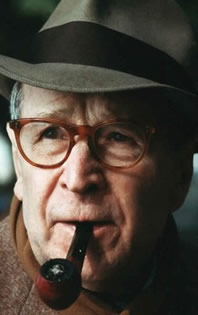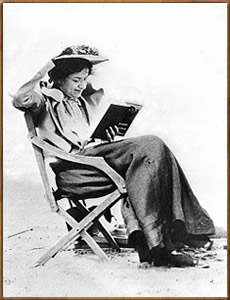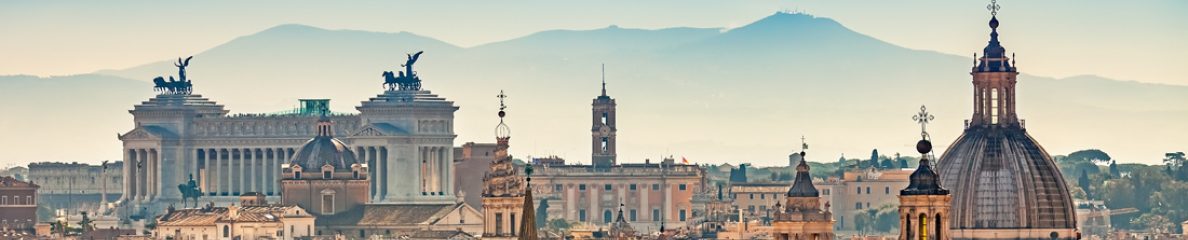
Frank Harris, Julia de Burgos, Vsevolod Garsjin, Edmond About, Johann Martin Usteri, Pierre-Claude de La Chaussée, Leone Battista Alberti

De Iers-Engelse schrijver, publicist, uitgever en redacteur Frank Harris werd geboren op 14 februari 1856 in Galway, Ierland Zie ook alle tags voor Frank Harris op dit blog.


Uit: Oscar Wilde, His Life and Confessions

“Even as a schoolboy he was an excellent talker: his descriptive power being far above the average, and his humorous exaggerations of school occurrences always highly amusing.

“A favourite place for the boys to sit and gossip in the late afternoon in winter time was round a stove which stood in ‘The Stone Hall.’ Here Oscar was at his best; although his brother Willie was perhaps in those days even better than he was at telling a story.

“Oscar would frequently vary the entertainment by giving us extremely quaint illustrations of holy people in stained-glass attitudes: his power of twisting his limbs into weird contortions being very great. (I am told that Sir William Wilde, his father, possessed the same power.) It must not be thought, however, that there was any suggestion of irreverence in the exhibition.

“At one of these gatherings, about the year 1870, I remember a discussion taking place about an ecclesiastical prosecution that made a considerable stir at the time. Oscar was present, and full of the mysterious nature of the Court of Arches; he told us there was nothing he would like better in after life than to be the hero of such a cause celèbre and to go down to posterity as the defendant in such a case as ‘Regina versus Wilde!’

“At school he was almost always called ‘Oscar’— but he had a nick-name, ‘Grey-crow,’ which the boys would call him when they wished to annoy him, and which he resented greatly. It was derived in some mysterious way from the name of an island in the Upper Loch Erne, within easy reach of the school by boat.

“It was some little time before he left Portora that the boys got to know of his full name, Oscar Fingal O’Flahertie Wills Wilde. Just at the close of his school career he won the ‘Carpenter’ Greek Testament Prize,— and on presentation day was called up to the dais by Dr. Steele, by all his names — much to Oscar’s annoyance; for a great deal of schoolboy chaff followed.“
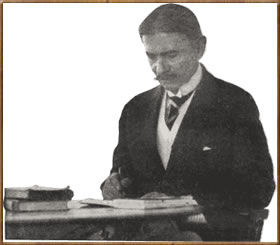
 

Frank Harris (14 februari 1856 – 27 augustus 1931)
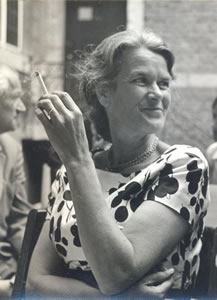
Lees verder “Frank Harris, Julia de Burgos, Vsevolod Garsjin, Edmond About, Johann Martin Usteri, Pierre-Claude de La Chaussée, Leone Battista Alberti”

M. Vasalis, Jan Arends, Irene Dische, Friedrich Christian Delius, Urs Faes, Faiz Ahmed Faiz

De Nederlandse dichteres en psychiater M. Vasalis werd geboren in Den Haag op 13 februari 1909. Zie ook alle tags voor M. Vasalis op dit blog.


De idioot in het bad

Met opgetrokken schouders, toegeknepen ogen,
Haast dravend en vaak hakend in de mat,
Lelijk en onbeholpen aan zusters arm gebogen,
Gaat elke week de idioot naar ’t bad.

De damp die van het warme water slaat
Maakt hem geruster : witte stoom…
En bij elk kledingstuk, dat van hem afgaat,
Bevangt hem meer en meer een oud vertrouwde droom.

De zuster laat hem in het water glijden,
Hij vouwt zijn dunne armen op zijn borst,
Hij zucht, als bij het lessen van zijn eerste dorst
En om zijn mond gloort langzaam aan een groot verblijden.

Zijn zorgelijk gezicht is leeg en mooi geworden,
Zijn dunne voeten staan rechtop als bleke bloemen,
Zijn lange, bleke benen, die reeds licht verdorden
Komen als berkenstammen door het groen opdoemen.

Hij is in dit groen water nog als ongeboren,
Hij weet nog niet, dat sommige vruchten nimmer rijpen,
Hij heeft de wijsheid van het lichaam niet verloren
En hoeft de dingen van de geest niet te begrijpen.

En elke keer, dat hij uit ’t bad gehaald wordt,
En stevig met een handdoek drooggewreven
En in zijn stijve, harde kleren wordt gesjord
Stribbelt hij tegen en dan huilt hij even.

En elke week wordt hij opnieuw geboren
En wreed gescheiden van het veilig water-leven,
En elke week is hem het lot beschoren
Opnieuw een bange idioot te zijn gebleven.


Appelboompjes

Op een recht, zwart kousenbeen,
dunne rokjes opgeheven,
dansend in de vroege regen
en de tuin voor zich alleen,

staan twee jonge appelbomen,
’t witte bloed omhooggestegen,
vlinder-hoofden wijd omgeven
door hun aller-eerste dromen.

Met hun smalle voet in ’t gras,
ingetogener en lomer
staan zij later in de zomer
na te peinzen hoe het was.

Voller wordend met de dagen,
vastgegroeid in ’t ogenblik,
bestemd, mijn zustertjes, – als ik –
te wortelen, rijpen en vrucht te dragen.


M. Vasalis (13 februari 1909 – 6 oktober 1998)

Lees verder “M. Vasalis, Jan Arends, Irene Dische, Friedrich Christian Delius, Urs Faes, Faiz Ahmed Faiz”

Georges Simenon, Nynke van Hichtum, Katja Lange-Müller, Ivan Krylov

De Belgische (Franstalig) schrijver Georges Simenon werd geboren in Luik op 13 februari 1903. Zie ook alle tags voor Georges Simenon op dit blog.


Uit: Maigret und der gelbe Hund (Vertaald door Raymond Regh)

„Als der Mann wieder auftauchte, verdunkelte er fast das gesamte Rechteck des Fensters, gab dann die Sicht frei, indem er in den Hintergrund des Raumes ging. Seine große Hand fiel auf die Schulter des Mädchens nieder und versetzte ihr einen solchen Stoß, dass sie eine ganze Kehrtwendung machte, beinahe hingefallen wäre und ihr jämmerlich bleiches Gesicht mit Lippen, die vom Schluchzen geschwollen waren, sichtbar wurde. All das war jedoch so undeutlich, so verschwommen wie ein Film im Kino, wenn die Lampen im Saal wieder eingeschaltet werden. Und noch etwas fehlte: die Geräusche, die Stimmen…
Genau wie ein Film: ein Film ohne Ton. Obwohl es der Mann war, der redete. Und er redete wohl laut. Er war wie ein Gorilla. Den Kopf dicht auf den Schultern, den Oberkörper in einem engen Pullover, der seine Brustmuskeln hervortreten ließ, das Haar kurzgeschoren, wie bei einem Sträfling, die Fäuste in die Hü∫en gestemmt, schleuderte er ihr Vorwürfe, Schimpfwörter oder Drohungen ins Gesicht. Er war wohl drauf und dran, handgreiflich zu werden. So, dass Leroy versuchte, Maigret noch fester zu packen, als wolle er sich selbst beruhigen. Emma weinte noch immer. Ihre Haube saß mittlerweile schief. Ihr Knoten würde sich gleich lösen. Irgendwo wurde ein Fenster geschlossen, was eine Sekunde lang ablenkte. »Kommissar… ob wir…«
Der Tabakgeruch umhüllte die beiden Männer und gaukelte ihnen Wärme vor. Weshalb faltete Emma die Hände? Wieder redete sie…
In ihrem verzerrten Gesicht lag gleichzeitig Entsetzen, Flehen und Schmerz, und Inspektor Leroy hörte, wie Maigret seinen Revolver entsicherte. Nur fünfzehn bis zwanzig Meter lagen zwischen den bei den Gruppen. Ein sprödes Klicken, eine Fensterscheibe, die in Scherben zerspringen würde, und der Hüne wäre außerstande, Schaden anzurichten. Mittlerweile ging er auf und ab, die Hände auf dem Rücken, und er wirkte kleiner, breiter.“


Georges Simenon (13 februari 1903 – 4 september 1989)

Lees verder “Georges Simenon, Nynke van Hichtum, Katja Lange-Müller, Ivan Krylov”

Eleanor Farjeon, Ricardo Güiraldes, Antonia Pozzi, Friedrich Adler

De Engelse dichteres en schrijfster Eleanor Farjeon werd geboren op 13 februari 1881 in Londen. Zie ook alle tags voor Eeleanor Farjeonop dit blog.


It was long ago


I’ll tell you, shall I, something I remember?
Something that still means a great deal to me.
It was long ago.

A dusty road in summer I remember,
A mountain, and an old house, and a tree
That stood, you know,

Behind the house. An old woman I remember
In a red shawl with a grey cat on her knee
Humming under a tree.

She seemed the oldest thing I can remember.
But then perhaps I was not more than three.
It was long ago.

I dragged on the dusty road, and I remember
How the old woman looked over the fence at me
And seemed to know

How it felt to be three, and called out, I remember
“Do you like bilberries and cream for tea?”
I went under the tree.

And while she hummed, and the cat purred, I remember
How she filled a saucer with berries and cream for me
So long ago.

Such berries and such cream as I remember
I never had seen before, and never see
Today, you know.

And that is almost all I can remember,
The house, the mountain, the gray cat on her knee,
Her red shawl, and the tree,

And the taste of the berries, the feel of the sun I remember,
And the smell of everything that used to be
So long ago,

Till the heat on the road outside again I remember
And how the long dusty road seemed to have for me
No end, you know.

That is the farthest thing I can remember.
It won’t mean much to you. It does to me.
Then I grew up, you see.


Eleanor Farjeon (13 februari 1881 – 5 juni 1965)

Lees verder “Eleanor Farjeon, Ricardo Güiraldes, Antonia Pozzi, Friedrich Adler”

In Memoriam Adriaan Bontebal

In Memoriam Adriaan Bontebal

In de nacht van 10 op 11 februari 2012 is op 59-jarige leeftijd in zijn woonplaats Den Haag de Nederlandse dichter en schrijver Adriaan Bontebal overleden.Adriaan Bontebal werd geboren op 28 mei 1952 in Leidschendam. Zie ook mijn blog van 28 mei 2011.

Romantiek

De kamer was gevuld
met tedere geluiden:
de regen op het raam
een knapperende haard
Tezamen op de bank
de armen om elkander
De radio heeeel zacht
Jan ‘Candlelight’ van Veen

Ik zon op een manier
mijn liefste zo te kwetsen
dat zij (eerst nog perpleks
dan stamelend verward)
luid uitbarst in gekrijs
de tranen niet te stelpen

Dan neem ik haar heel zacht
Dat is pas romantiek


Mijn Laatste Wens

Als ik dood ben
wil ik worden
geplastificeerd
in vlammend rood
en worden bijgezet
tegen de
donkerblauwe wand
met de helwitte spot
in de noordoosthoek
van de zitkuil

en een
overlijdensbericht
in Avenue
en VT/Wonen


Adriaan Bontebal
(28 mei 1952 – 11 februari 2012)

Barbara Honigmann, Lou Andreas-Salomé, Detlev Meyer, Janwillem van de Wetering, Hans Dieter Baroth

De Duitse schrijfster Barbara Honigmann werd geboren op 12 februari 1949 in Oost-Berlijn. Zie ook alle tags voor Barbara Honigmann op dit blog.


Uit: Bilder von A.

„Damals, in Berlin, im Osten, aber vielleicht auch noch später, im Westen, davon erwähnte er in seinen Briefen nichts, fuhr A. immer mit dem Fahrrad durch die Stadt, zum Theater und vom Theater und alle sonstigen Wege hin und her. Manchmal brachte er mich mit dem Fahrrad nach Hause, dann setzte ich mich vorne quer auf die Fahrradstange, und A. lenkte sozusagen an mir vorbei durch die Straßen. Das war aber verboten, in der DDR war ja fast alles verboten, und einmal hielt uns ein Volkspolizist an:

»Absteigen!«

»Ja, warum denn?«

»Das ist verboten.«

Was denn nun schon wieder verboten sei?

»Einen Fahrgast auf der Fahrradstange zu transportieren!

«Aber warum denn um Himmels willen?

»Wegen der Gefährlichkeit!«

»Wegen der Gefährlichkeit!« A. und ich kriegten einen hysterischen Lachanfall, und der Volkspolizist nahm Reißaus, er bekam wohl Angst, wir könnten Verrückte sein, und dafür war er nicht zuständig. So fuhren wir also ruhig weiter durch die Stadt und noch ein paar Extrarunden durch den Friedrichshain, unseren »Central Park«, in dessen Mitte sich, als Symbol für das sprichwörtliche Gras, das über alles wächst, der »Mont Klamott « erhebt, aber auch Bäume, Sträucher und Blumen wachsen dort inzwischen üppig, als ob es nie einen Krieg gegeben hätte, und ein Weg schlängelt sich über den aufgehäuften Ruinen der zerstörten Stadt bis zu einer Aussichtsplattform, von der man Berlin in alle Himmelsrichtungen, also auch bis in den Westen hinübersehen kann.

Den Weg hoch mußte A. sein Fahrrad natürlich schieben, aber hinunter rasten wir nur so und schrien in den Kurven, weil es so aufregend war.“


Barbara Honigmann (Oost-Berlijn, 12 februari 1949)

Lees verder “Barbara Honigmann, Lou Andreas-Salomé, Detlev Meyer, Janwillem van de Wetering, Hans Dieter Baroth”

Sabahattin Ali, Otto Ludwig, Michel de Saint Pierre, R. F. Delderfield, Friedrich de la Motte-Fouqué

De Turkse dichter en schrijver Sabahattin Ali werd geboren op 12 februari 1906 in Gümülcine, tegenwoordig, Komotini, Griekenland. Zie ook alle tags voor Sabahattin Ali op dit blog.


Uit: The Devil Within

„She was shocked when the car stopped and for a moment she couldn’t remember where she was. Omer was trying to help her from the car by holding her arm. When she stepped out the headlights of an approaching car dazzled her eyes. She stood leaning against the car’s chassis.

Having asked the drivers to wait, Hüseyin Bey began to rap on a glass door. The place resembled a night club devoid of customers. A sleepy barefoot man in white underwear opened the door without checking who was there scowling as if ready to curse. Upon recognising editorialist Hüseyin Bey, his manner changed.

“Welcome sir,” he said respectfully. “Please come in.”

They all entered. All of them including Hüseyin Bey felt tired and sluggish. The night and damp weather soothed the nerves. It was as if they didn’t feel up to having fun but, having set out to, they felt obliged to continue. The girls were exhausted, their faces sulky and worn out. Without makeup as suited intellectual women, they looked more like young men out on the town.

Whatever the reason, the waiter put on a white apron over his underwear and having switched on a light in a far corner of the night club, invited the guests over. Then he went over to the sideboard to gather together a few bottles of raki, a bit of bread and cheese and two tins of sardines. Ismet Şerif, in order to cheer up his silent friends, began to speak flippantly. Apart from the girl introduced by Emin Kamil, no one laughed. As Omer chatted with Ümit Hanim, Hüseyin Bey continued to talk with the girl with glasses. Even Professor Hikmet was subdued and thoughtful. Anyway, it was often like that. He would organise nights out and trips with all the best intentions and taking care of all the details but, having drunk a couple of glasses, would be overcome by a strange lethargy. It was as if he needed the alcohol to be his true self. When sober, he felt he could achieve anything but alcohol cured him of such delusions of omnipotence and returned him to his pain filled real life.

Not being able to feel anything, they would pour glass after glass of raki down their throats. Macide drank every glass put before her and smiled not with pleasure but painfully as if scolding someone. At one point she got up and looked around.“


Sabahattin Ali (12 februari 1906 – 2 april 1948)

Lees verder “Sabahattin Ali, Otto Ludwig, Michel de Saint Pierre, R. F. Delderfield, Friedrich de la Motte-Fouqué”

George Meredith, Thomas Campion, C. Barlaeus, Charles Duclos, Kazimierz Przerwa-Tetmajer, Theodor Plevier

De Engelse dichter en schrijver George Meredith werd geboren op 12 februari 1828 in Portsmouth. Zie ook alle tags voor George Meredith op dit blog.


Winter Heavens

Sharp is the night, but stars with frost alive
Leap off the rim of earth across the dome.
It is a night to make the heavens our home
More than the nest whereto apace we strive.
Lengths down our road each fir-tree seems a hive,
In swarms outrushing from the golden comb.
They waken waves of thoughts that burst to foam:
The living throb in me, the dead revive.
Yon mantle clothes us: there, past mortal breath,
Life glistens on the river of the death.
It folds us, flesh and dust; and have we knelt,
Or never knelt, or eyed as kine the springs
Of radiance, the radiance enrings:
And this is the soul’s haven to have felt.


Song in the Songless

They have no song, the sedges dry,
And still they sing.
It is within my breast they sing,
As I pass by.
Within my breast they touch a string,
They wake a sigh.
There is but sound of sedges dry;
In me they sing. 


George Meredith (12 februari 1828 – 18 mei 1909)

Portret door Winifred Sandys, rond 1909

Lees verder “George Meredith, Thomas Campion, C. Barlaeus, Charles Duclos, Kazimierz Przerwa-Tetmajer, Theodor Plevier”

Kazys Bradūnas, Maryse Condé, Gerhard Kofler, Else Lasker-Schüler

De Litouwse dichter Kazys Bradūnas werd geboren in Kiršai, Rayon Vilkaviškis, op 11 februari 1917. Zie ook alle tags voor Kazys Bradūnas op dit blog.


The Scream

Silence loves the mute rock.

Cosmos is carved out of silence.

Why do you feed the carnivorous beast?

To stop his howl? With the holy sun

Peace descends upon the orchards.

Now you kneel at the evening’s source,

As all star-studded infinity

Shudders in your heart’s scream.

Vertaald door Jurgis Bradūnas


That You Not Be Alone

I scrubbed the windowpane

Near your cradle

That stars should rise,

And risen, shed faint light,

That you not be alone,

Through the night alone.

I shall sway like a willow

By the level road

That a bird should settle,

And settled, sing,

That you not be alone,

On the journey alone.

Up the sad hill I’ll go with you,

Like sand I’ll flow away

That the wind should blow me,

And blowing, lull you asleep,

That you not be alone,

In the earth alone.


Vertaald door Jean Reavey


Kazys Bradūnas (11 februari 1917 – 9 februari 2009)

Lees verder “Kazys Bradūnas, Maryse Condé, Gerhard Kofler, Else Lasker-Schüler”

Roy Fuller, Rachilde, Karoline von Günderrode, Johannes van Melle, Lydia Child

De Engelse dichter en schrijver Roy Fuller werd geboren op 11 februari 1912 Failsworth in Lancashire. Zie ook alle tags voor Roy Fuller op dit blog.


The End Of A Leave

Out of the damp black night,
The noise of locomotives,
A thousand whispering,
Sharp-nailed, sinewed, slight,
I meet that alien thing
Your hand, with all its motives.

Far from the roof of night
And iron these encounter;
In the gigantic hall
As the severing light
Menaces, human, small,
These hands exchange their counters.

Suddenly our relation
Is terrifyingly simple
Against wretched times,
Like a hand which mimes
Love in this anguished station
Against a whole world’s pull.


Roy Fuller (11 februari 1912 – 27 september 1991)

Lees verder “Roy Fuller, Rachilde, Karoline von Günderrode, Johannes van Melle, Lydia Child”